

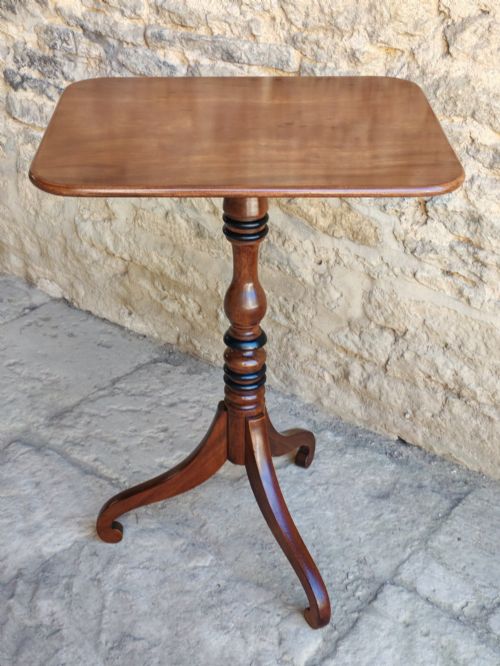
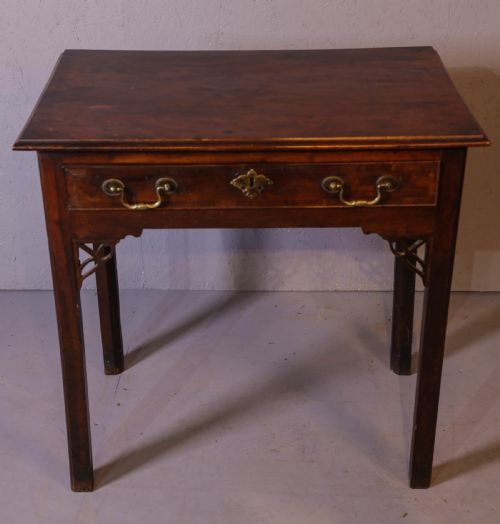


Yew Wood Occasional Table
A yew wood occasional table brings rich, distinctive grain and warm timber tones into a room.
Yew Wood Occasional Table
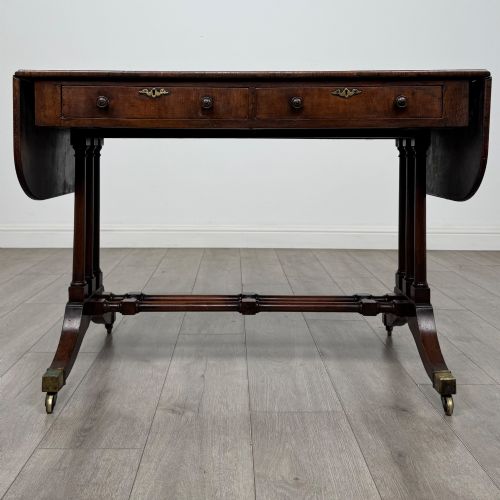
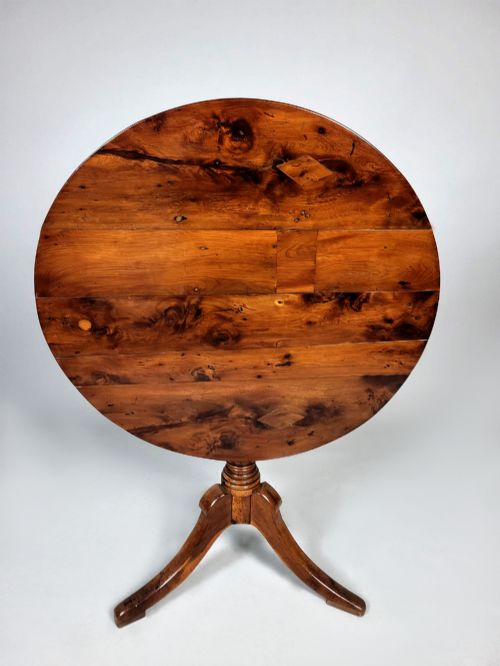
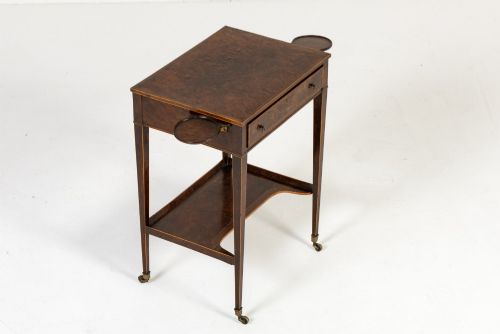
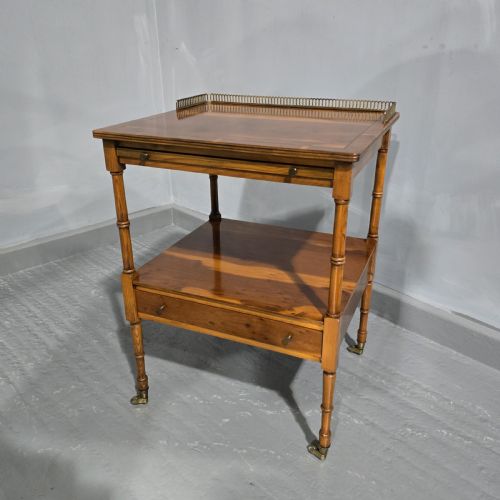
A yew wood occasional table encompasses a broad variety of small, movable furniture forms designed for specific domestic tasks. When searching this phrase, buyers encounter formats ranging from tripod wine tables and torchere stands to writing desks, side tables, and nests of tables. The examples available span multiple eras, including the eighteenth century, the Regency period, and the nineteenth and twentieth centuries.
The objects derive from diverse stylistic traditions, encompassing English country craftsmanship, Regency elegance, Georgian formality, and Shaker simplicity. Forms such as the circular tripod table or the rectangular side table appear frequently alongside specialised pieces like teapoys and joint stools. This variety reflects how makers adapted the dense timber to practical household requirements across successive generations.
What varies in quality
Quality rests primarily in the selection of the timber and the depth of figuring in the grain. Tables featuring highly prized burr yew or carefully matched veneers sit apart from simpler, plain solid wood pieces.
Construction finesse also divides the range, distinguishing sturdy country workshop creations from finely proportioned pieces with crisp turning and sophisticated brass hardware.
Yew Wood Occasional Table Retail Price Guide 2026
Typical asking prices for yew wood occasional table among the pieces listed under this phrase on Sellingantiques today, from the lower quarter to the upper quarter. They describe what is for sale here now, not the wider market.
Object forms on this site include writing desks, torchere stands, nests of tables, and joint stools alongside standard occasional tables.
Gillows
The Yew Wood Occasional Table Glossary
- Burr yew
- A growth deformity in the yew tree that produces dense, highly figured clusters of small knots and swirling grain patterns. Cabinet makers prized this material for decorative veneering on tabletops.
- Tripod table
- A small freestanding table supported by a central pillar and three splayed legs. This design became popular in the eighteenth century for serving wine or holding candles.
- Teapoy
- A small box or chest mounted on a central pillar, originally designed to store loose tea leaves. Many examples incorporate yew veneer and internal compartments.
- Torchere stand
- A tall, slender pedestal table intended to hold a candlestick or lamp. Regency makers produced these with distinctive turned columns.
- Joint stool
- A sturdy wooden stool constructed with mortise and tenon joints, often associated with seventeenth and eighteenth century country craftsmanship.
Yew Wood Occasional Table: Frequently Asked Questions
What periods do these tables come from?
The listings span several centuries, starting from the early eighteenth century through the Regency era and Victorian times, up to twentieth-century revivals.
Most examples lean towards eighteenth-century craftsmanship and nineteenth-century Regency or Victorian production.
How were wine tables used?
Wine tables served as portable surfaces for holding glasses and bottles during evening gatherings, often positioned beside seating.
Their small tripod design allowed servants to move them easily around a room as needed.
Are these tables solid wood?
Construction methods vary between solid yew boards and pieces utilising timber frames with decorative yew veneers.
Country-made items tend towards solid construction, whilst finer decorative examples often employ veneers over secondary woods.