


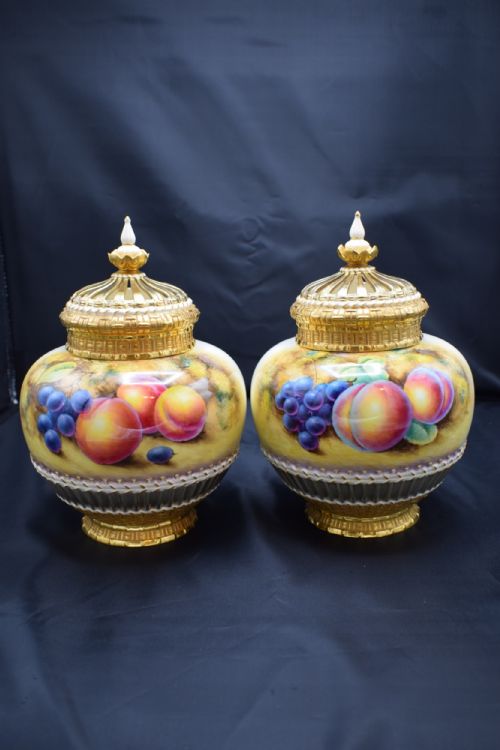


Yellow Porcelain Urn
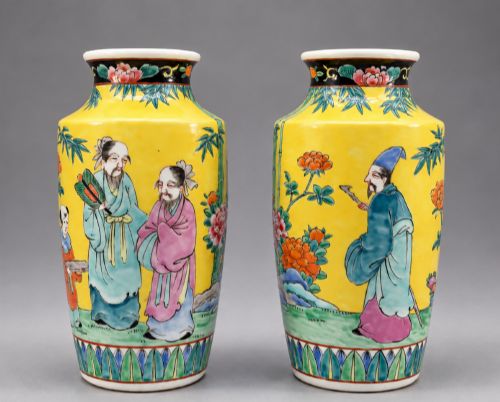
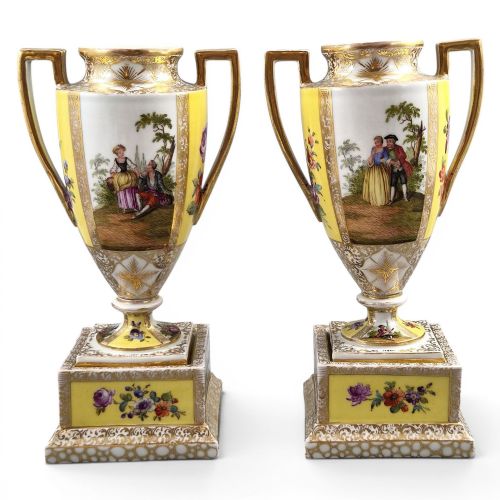
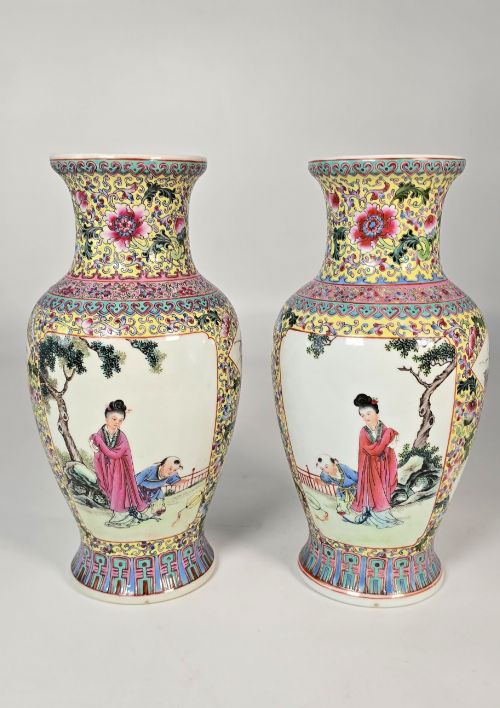
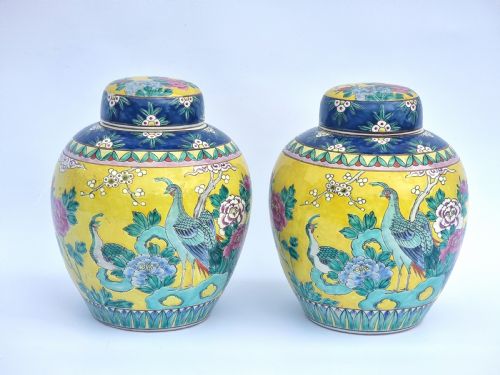
These yellow porcelain urn pieces bring a distinct burst of colour and fine craftsmanship to any interior.
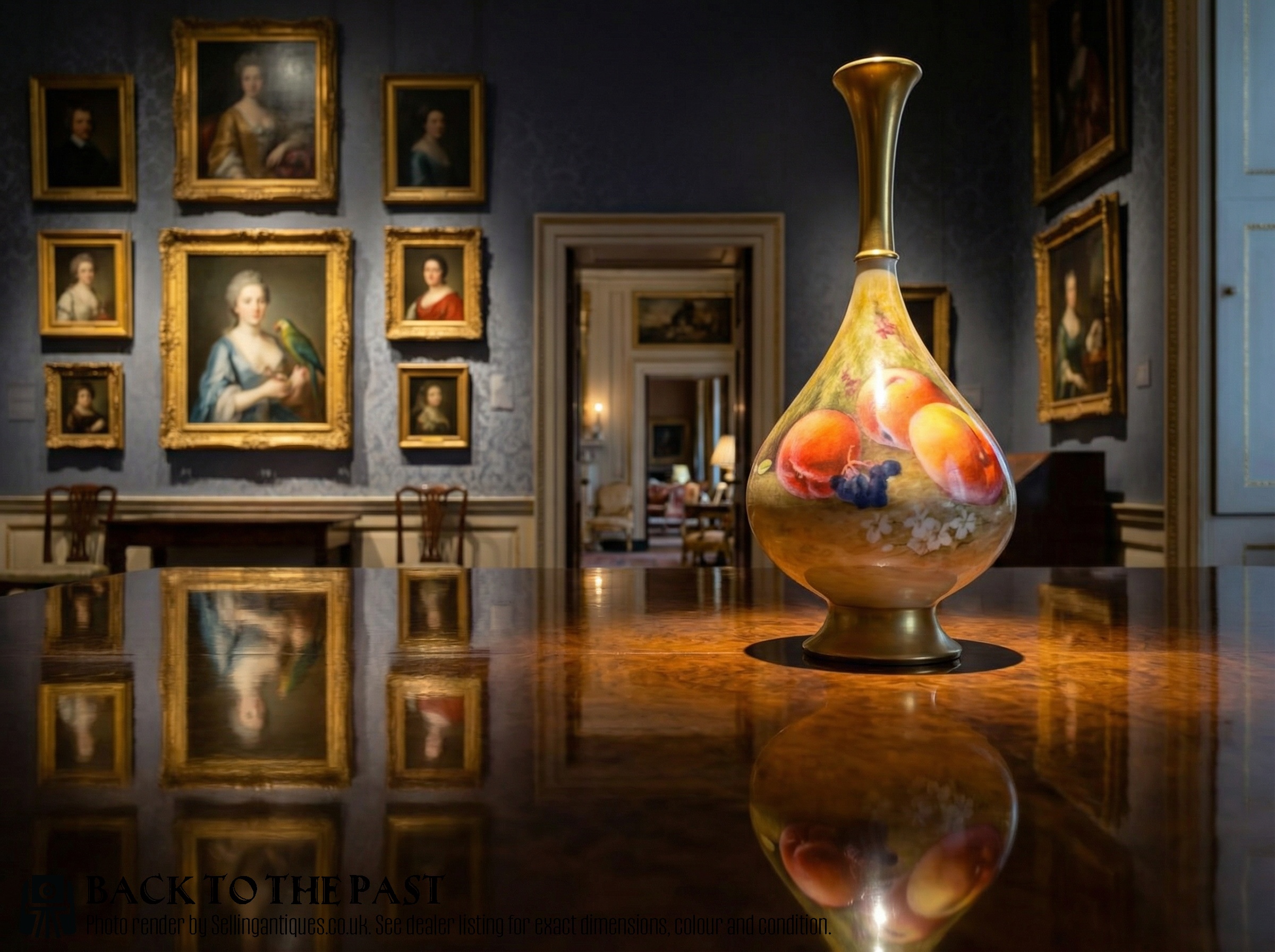
Yellow Porcelain Urn
A yellow porcelain urn combines striking ceramic bodies with varied decorative styles spanning multiple centuries and continents.
The pieces appearing on this page range from Victorian creations to twentieth-century Chinese Republican period works.
Buyers encounter forms such as lidded vases, ginger jars, and ewers finished in vivid yellow colourways.
Manufacturing methods and materials
Makers utilise hard-paste porcelain and ironstone as the primary foundations for these decorative objects.
Surfaces receive hand-painted details alongside applications of gold leaf, gilding, and colourful glaze.
Enamel work and vitreous enamel finish many of the specific motifs found across the selection.
The listings show pieces originating from both European potteries and Chinese Republican period workshops.
Distinguishing quality across the range
The refinement of the hand-painted artistry determines the visual impact of each individual piece.
Careful application of gilding and gold leaf separates standard decorative items from superior productions.
Helena Wolfsohn Dresden·Mason·Rozenburg·Royal Doulton·Royal Crown Derby·Coalport·Royal Bonn·Royal Worcester
The Yellow Porcelain Urn Glossary
- Porcelain
- A white vitrified translucent ceramic material. It forms the solid body for the majority of these vessels.
- Ewer
- A large jug or pitcher with a wide spout and handle. These decorative versions serve a purely ornamental purpose.
- Ginger jar
- A wide-mouthed storage jar of Chinese origin. They feature painted designs across a rounded body.
- Gilding
- The application of gold leaf or powder to a surface. This technique adds metallic highlights to the ceramic body.
Yellow Porcelain Urn: Frequently Asked Questions
How do I care for yellow porcelain urns?
Dust these ceramic pieces gently with a soft cloth to protect the painted surfaces and delicate gilding from damage.
Avoid using abrasive cleaning liquids or placing them in direct sunlight for long periods to preserve the vibrant yellow glaze.
Are these urns suitable for holding water?
Most of these decorative vessels are designed primarily for display rather than functional use as flower holders.
Checking the interior condition helps determine whether a specific piece remains watertight.
What periods do these pieces represent?
The selection spans several eras, including the Regency period, Victorian era, and various twentieth-century decades.
Stylistic influences range from Art Nouveau and Art Deco to traditional Chinese motifs.
How are pairs matched together?
Many examples are offered as matched pairs featuring symmetrical painted scenes and complementary dimensions.
Displaying them together creates a balanced arrangement on mantelpieces or side tables.