


Yellow Glazed Pottery
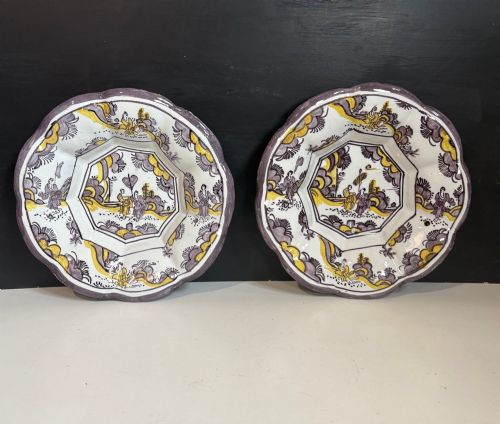
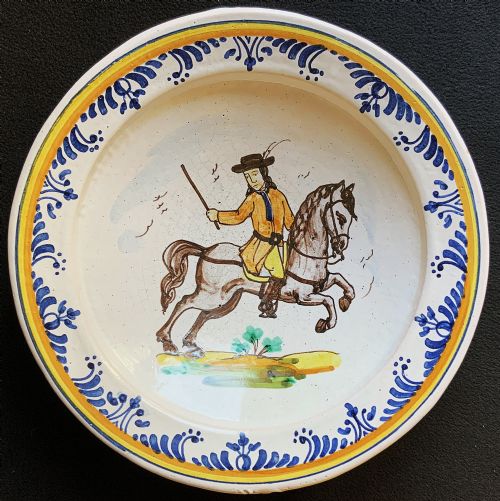
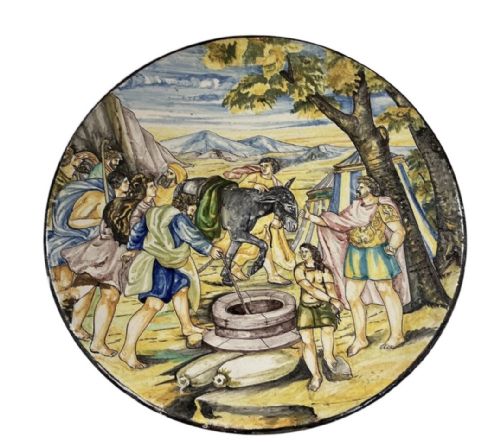
Yellow glazed pottery brings warmth and character to a room through centuries of earthenware, faience, and majolica forms.
Yellow Glazed Pottery
Yellow glazed pottery encompasses a diverse selection of vessels, plates, and decorative objects found across multiple eras. Collectors pursuing yellow glazed pottery commonly encounter pieces originating from nineteenth-century European workshops alongside earlier Dutch and Italian examples.
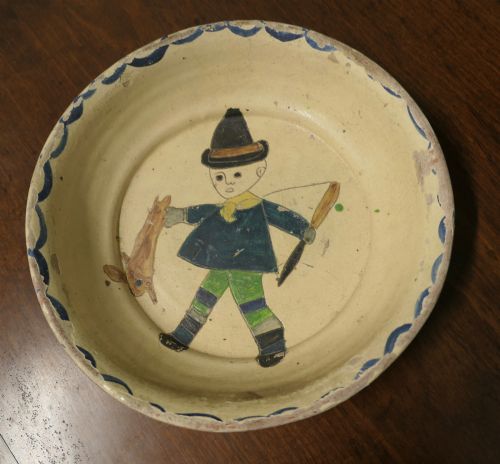
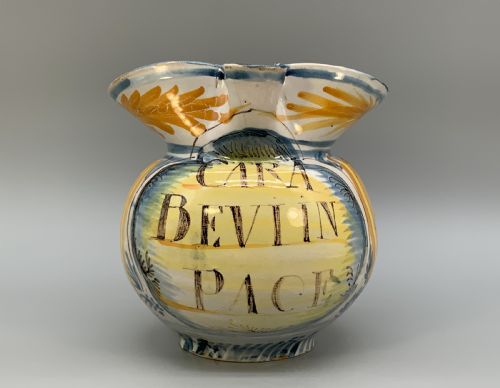
The selection ranges from apothecary jars and majolica ewers to everyday dairy bowls and decorative chargers. Pieces span centuries of ceramic production, showing how different potters utilised yellow glazes on earthenware and terracotta bodies.
How yellow glazed pottery was made
Potters shaped these objects using earthenware and terracotta, applying glazes that created distinctive yellow surfaces. Tin glazes and lead-based coatings were common methods for achieving the characteristic bright or muted yellow tones seen on jugs, bowls, and plaques.
Firing techniques varied by period, from traditional kiln methods used for seventeenth-century Dutch delftware to later industrial processes in nineteenth-century British potteries. Artisans frequently combined yellow glazes with polychrome pigments or manganese details to accentuate moulded relief and painted designs.
Yellow Glazed Pottery Retail Price Guide 2026
Typical asking prices for yellow glazed pottery among the pieces listed under this phrase on Sellingantiques today, from the lower quarter to the upper quarter. They describe what is for sale here now, not the wider market.
Listings feature yellow glazed pottery spanning from the tenth-century Nishapur buffware to twentieth-century French confit pots.
What varies in quality in yellow glazed pottery
Quality rests in the precision of the glaze application and the crispness of the underlying ceramic form. Pieces with even glaze distribution and well-defined painted or moulded details demonstrate superior craftsmanship compared to simpler utilitarian wares.
The artistic ambition of the workshop also dictates the standing of a piece. Elaborate majolica ewers and detailed faience plaques require greater technical skill than standard dairy bowls or plain tavern jugs, reflecting the maker's expertise.
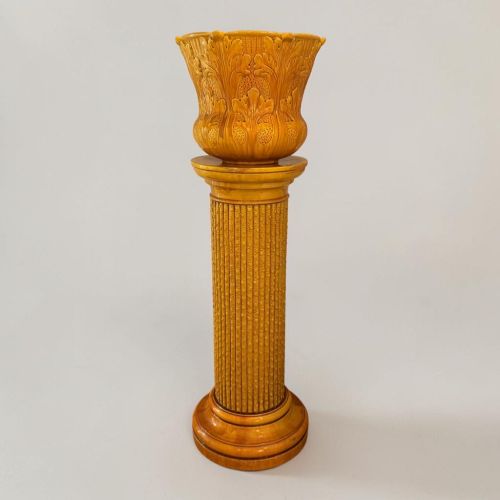
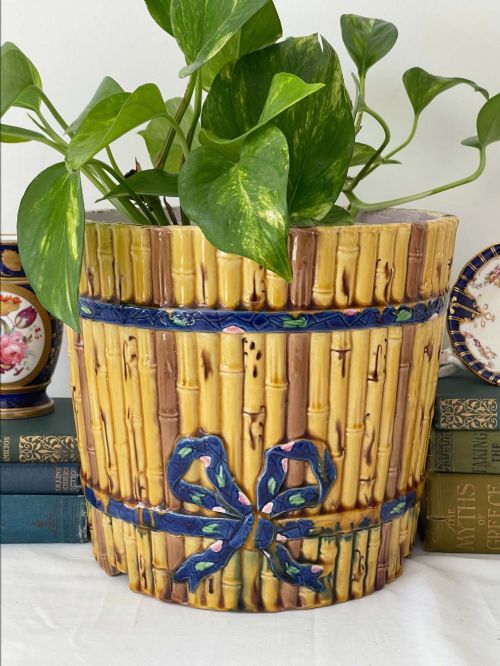
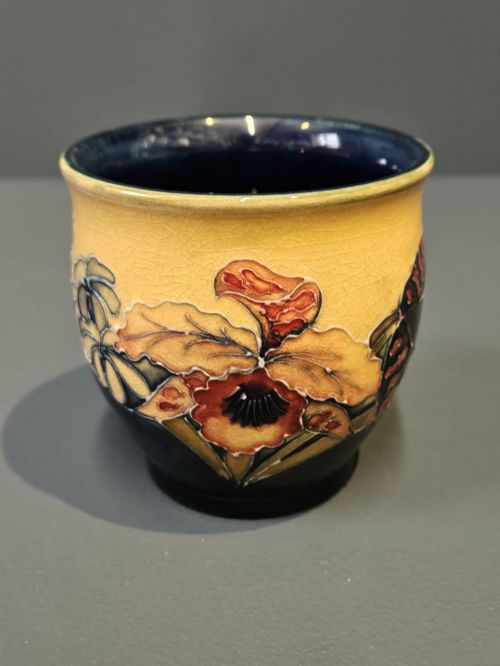
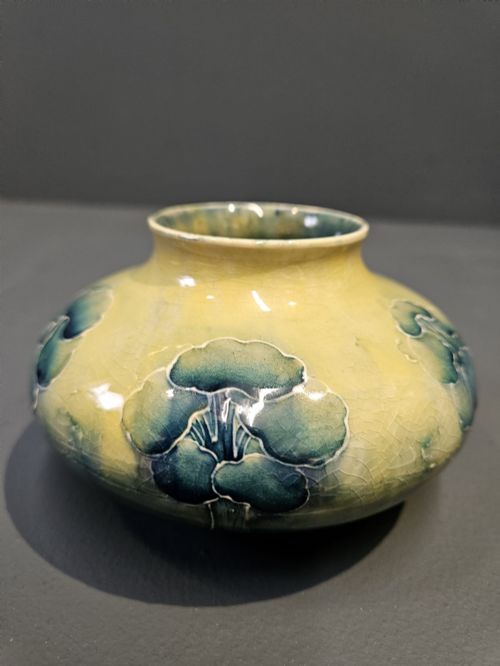
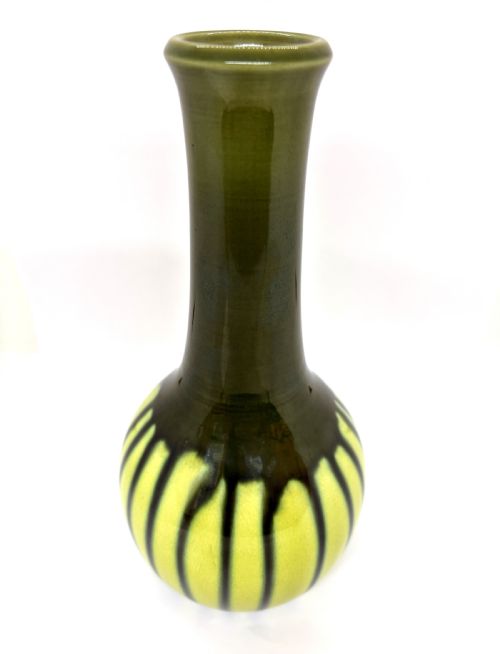
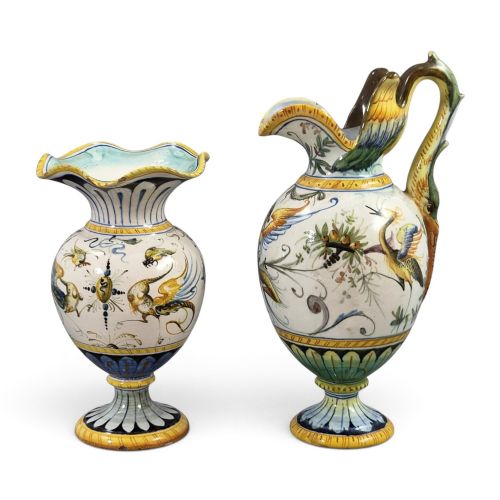
Burmantofts Pottery·Moorcroft·Minton·Cantagalli Florence
The Yellow Glazed Pottery Glossary
- Majolica
- Tin-glazed earthenware decorated with opaque colours over a whitish glaze. This technique flourished during the Renaissance and saw revivals in the nineteenth century.
- Albarello
- A type of majolica or faience apothecary jar used for holding drugs and ointments. These tall cylindrical jars often feature painted labels and decorative motifs.
- Charger
- A large decorative plate intended for display rather than dining use. Many historical examples were hung on walls or set on sideboards.
- Earthenware
- Porous pottery fired at relatively low temperatures. It requires a glaze to become impermeable to liquids and forms the base for most historic yellow glazed objects.
Yellow Glazed Pottery: Frequently Asked Questions
How do I identify tin-glazed pottery?
Tin-glazed pieces show an opaque white or coloured surface layer applied over a buff or reddish earthenware body. Examining the footrim often reveals the porous clay beneath the glaze.
Older pieces from the seventeenth and eighteenth centuries display distinct characteristics in weight and glaze pooling compared to nineteenth-century revival wares.
Were apothecary jars used for medicine?
Apothecary jars and albarellos served as storage containers for dried herbs, ointments, and syrups in historical pharmacies. Their stout cylindrical shapes allowed pharmacists to line them up efficiently on dispensary shelves.
Many bear painted inscriptions or decorative motifs indicating the specific contents they originally held.
How should I clean antique pottery?
Dust these ceramic pieces gently with a soft, dry brush to prevent dirt accumulation. Avoid submerging older earthenware in water, as moisture can penetrate porous bodies through hairline cracks in the glaze.
Professional conservation advice is recommended if a piece requires more thorough cleaning or stabilization.
What is the difference between faience and majolica?
Faience generally refers to tin-glazed earthenware made in France, Germany, and other European regions outside Italy. Majolica specifically denotes Italian tin-glazed pottery, though the term also describes nineteenth-century British polychrome wares.
Both types rely on similar glaze chemistry but exhibit regional decorative styles and painting techniques.