


Yellow Glazed Ceramic
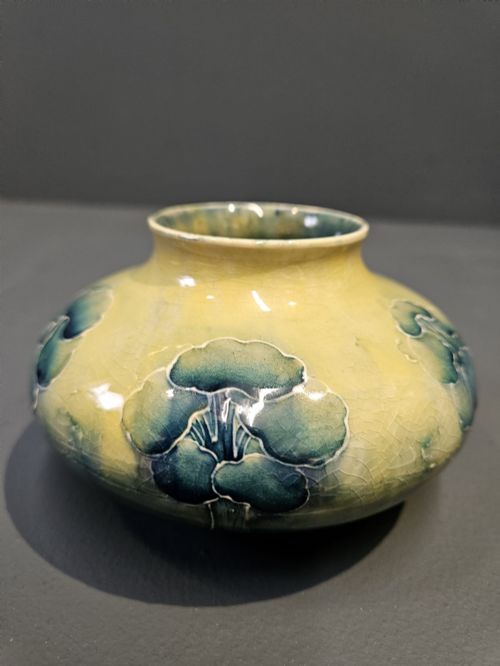
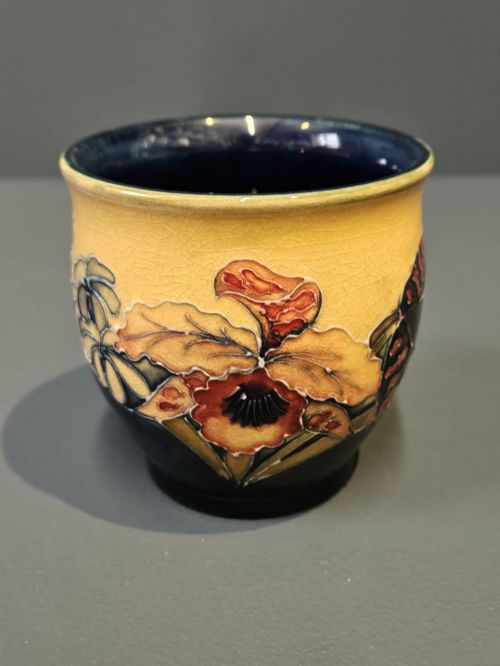
Yellow glazed ceramic pieces bring warmth to a room through bright ground colours and rich historical tin glazes.
Yellow Glazed Ceramic
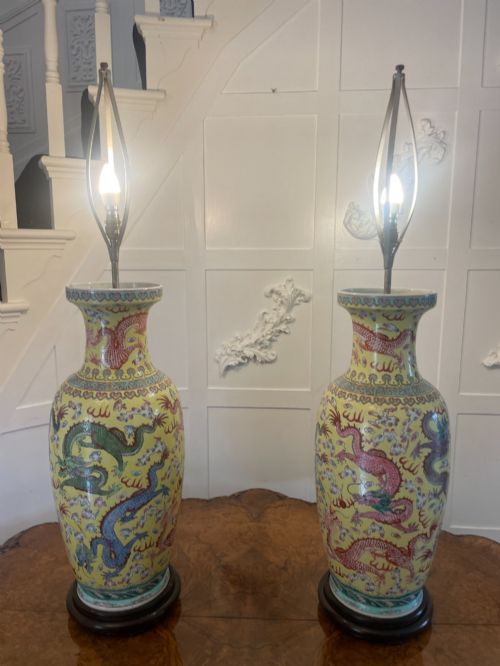
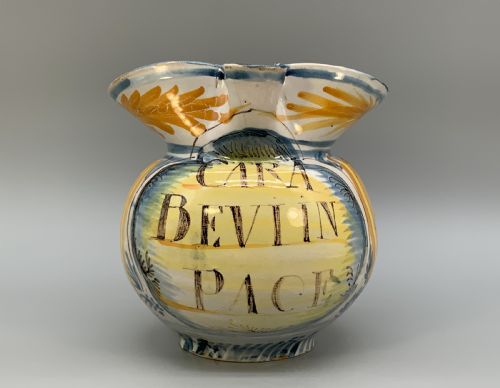
Yellow glazed ceramic items span centuries of production, taking forms from decorative vases and table lamps to chargers and pharmacy jars. When searching for yellow glazed ceramic, buyers encounter English ironstone, French faience, and Chinese porcelain alongside Italian maiolica.
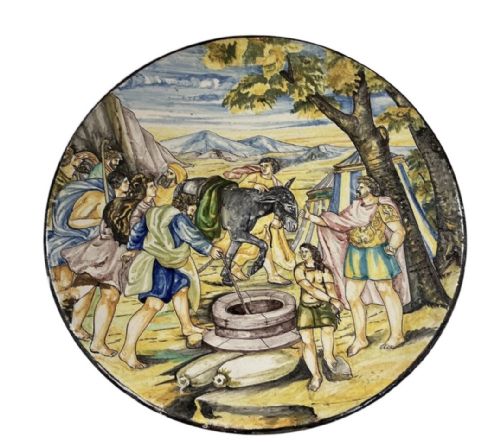
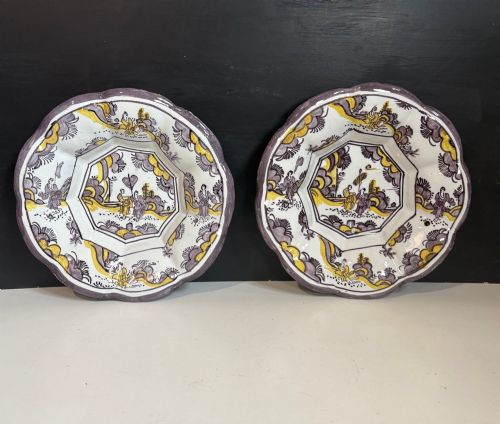
The selection here draws primarily upon nineteenth-century revivals and earlier Delft traditions. Chargers and wall plates dominate the earthenware selections, while lamps and table vessels represent the later Victorian and Edwardian periods.
How they were made
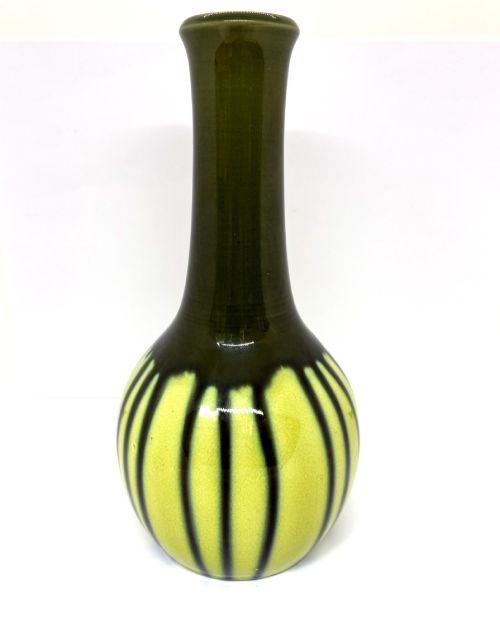
Potters applied tin glazes or coloured lead glazes over earthenware, terracotta, and porcelain bodies before firing. Sancai and drip glaze techniques created layered chromatic effects on bodies formed by hand or moulded.
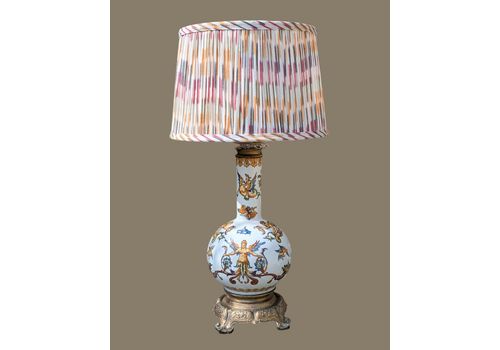
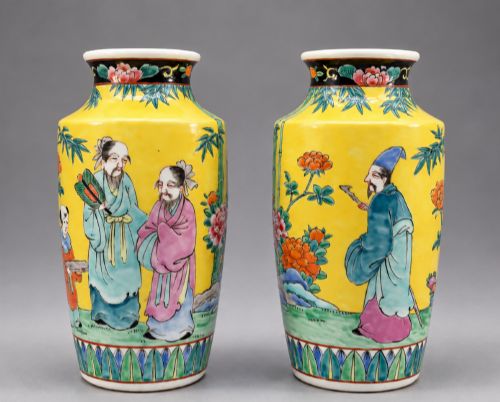
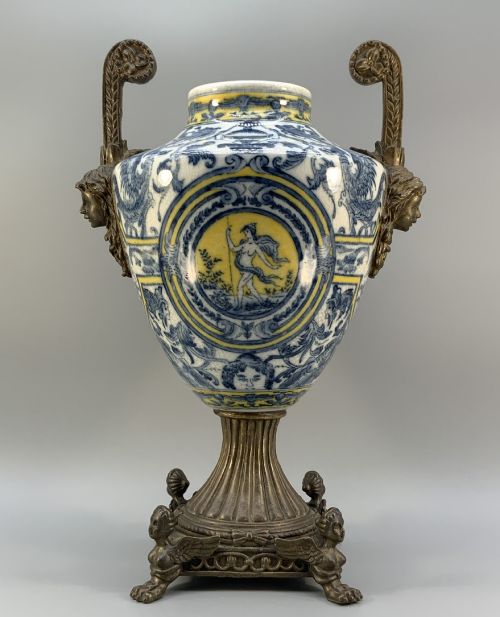
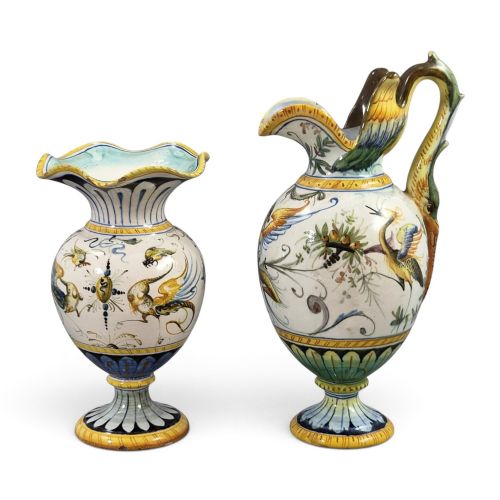
Many examples received hand-painted decoration in polychrome palettes beneath the final glaze. Workshops utilised bronze mounts on specific revival vases to finish the decorative scheme.
Yellow Glazed Ceramic Retail Price Guide 2026
Typical asking prices for yellow glazed ceramic among the pieces listed under this phrase on Sellingantiques today, from the lower quarter to the upper quarter. They describe what is for sale here now, not the wider market.
Listings feature yellow glazed ceramic works spanning from the seventeenth century through to the twentieth century in earthenware and porcelain.
What varies in quality
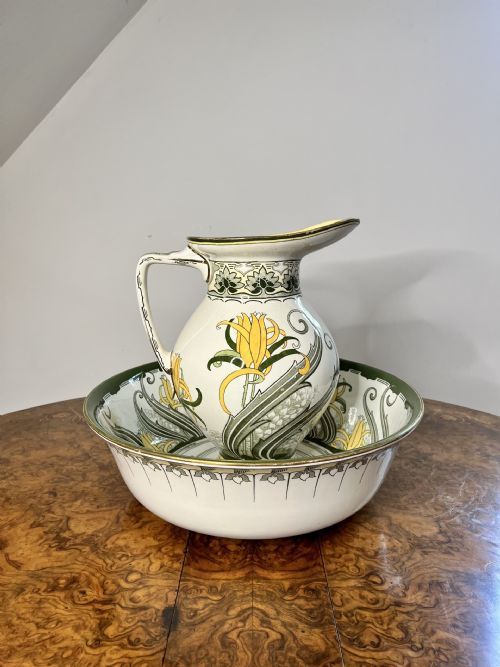
Quality rests in the crispness of the painted detail and the stability of the glaze application. Pieces featuring hand-painted botanical or figural scenes demonstrate greater artisan skill than plain monochrome grounds.
The depth and consistency of the yellow glaze itself dictate visual success. Superior items maintain even colour distribution across complex forms without pooling or dry patches.
Théodore Deck·Moorcroft·Liberty·Minton·Doulon Burslem·Cantagalli Florence·Burmantoft's Pottery·HB Quimper·Castelnaudary·Clarice Cliff·Chamberlain Worcester·Mason·Shiwan
The Yellow Glazed Ceramic Glossary
- Albarello
- A cylindrical earthenware jar designed for apothecary use in pharmacies. These vessels held dry drugs and ointments.
- Faience
- European tin-glazed earthenware originating in France and the Netherlands. It mimics the appearance of imported porcelain.
- Charger
- A large decorative plate intended for display on walls or sideboards. These items frequently showcase pictorial painted designs.
- Sancai
- A three-colour Chinese glaze technique utilising amber, green, and cream or yellow tones. Potters applied this style during multiple dynasties.
Yellow Glazed Ceramic: Frequently Asked Questions
What are yellow glazed ceramic items?
Yellow glazed ceramic items are vessels, plates, and decorative objects finished with coloured lead or tin glazes. They encompass centuries of global pottery traditions.
These pieces range from utilitarian apothecary jars to ornamental chargers designed purely for display. The yellow colour results from specific mineral oxides added to the glaze recipe before firing.
How were these ceramics used historically?
Historical ceramics served both domestic and decorative functions in daily life. Apothecary jars stored dry medicines, while chargers decorated dining halls and parlours.
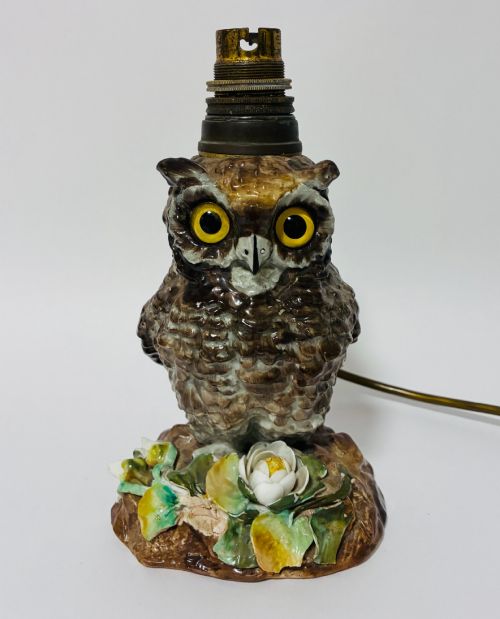
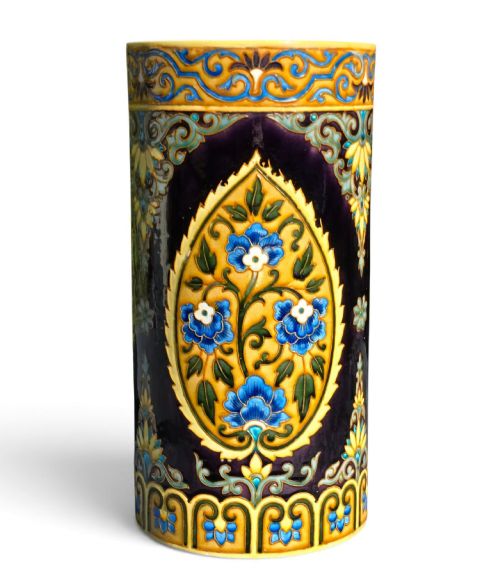
Later Victorian and Edwardian items often doubled as functional lighting bases or umbrella stands. Many pieces were made strictly for visual appreciation on mantels and walls.
How do I style yellow ceramics at home?
Yellow ceramics introduce warmth and contrast to neutral interior spaces. Placing a brightly glazed charger on a dark wood sideboard highlights the painted details.
Table lamps and vases work well against simple backgrounds where the glaze colour remains the focal point. Grouping items of different heights creates balanced visual arrangements.
How do I identify different pottery periods?
Identifying periods relies on examining the clay body, glaze characteristics, and painting styles. Earlier pieces often display tin glazes on heavy earthenware bodies.
Later nineteenth and twentieth-century works incorporate industrial improvements and distinct revival motifs. Maker marks and date stamps help confirm the exact era of production.