
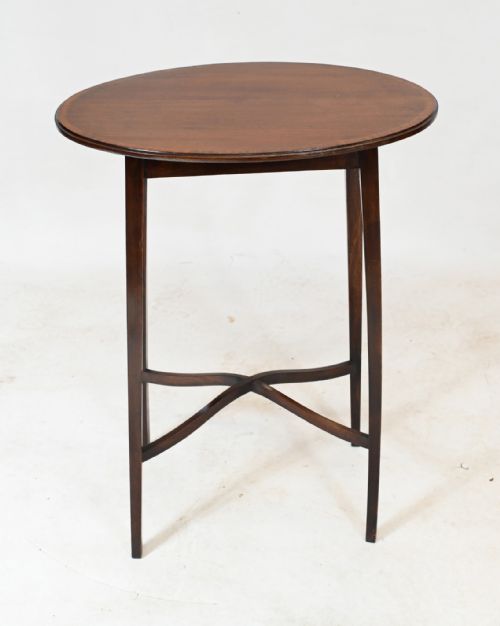


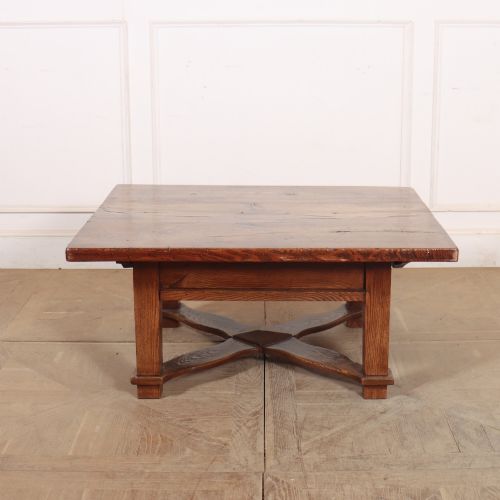


X Frame Stretcher Table
An x frame stretcher table brings architectural rigidity and striking diagonal lines to domestic interiors.
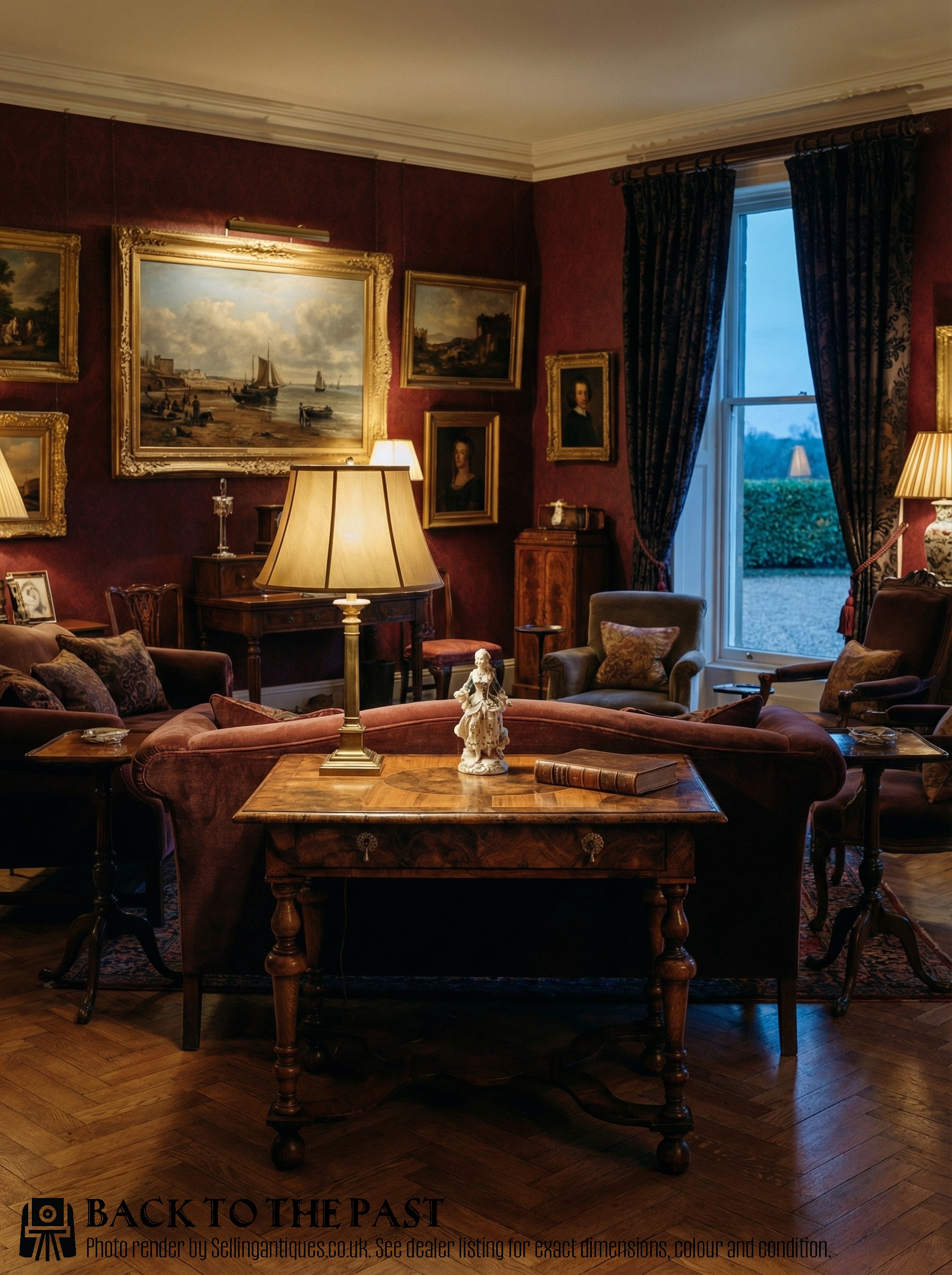
X Frame Stretcher Table
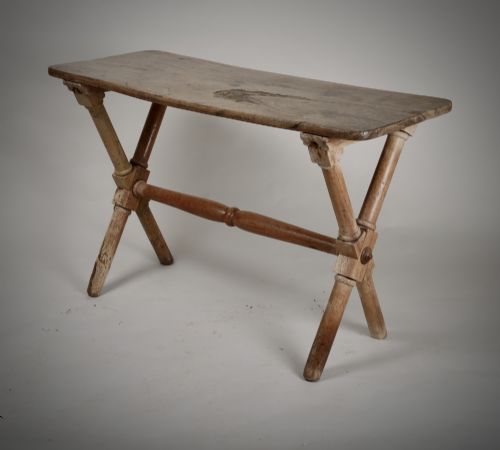
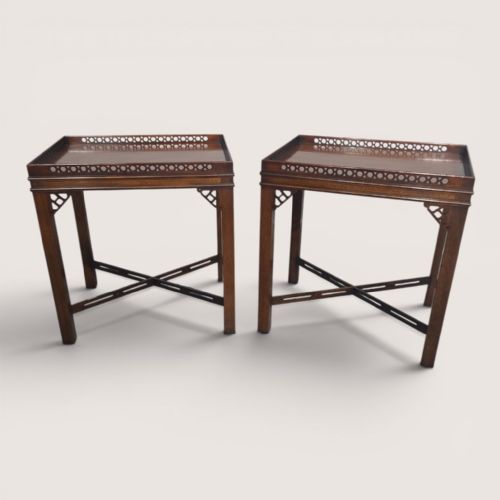
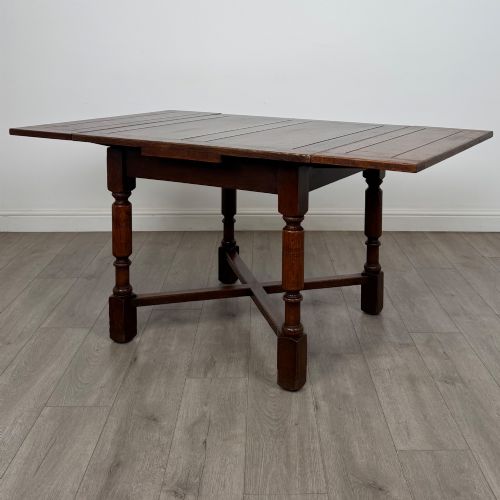
An x frame stretcher table relies on intersecting diagonal stretchers beneath the top to provide lateral bracing and distinct visual rhythm. These tables appear across numerous forms in the inventory, ranging from substantial dining and refectory formats to side, tavern, occasional, and centre tables.
Examples span several centuries, with particular concentrations from the seventeenth, eighteenth, and nineteenth periods, alongside early twentieth-century interpretations in revival styles. Buyers frequently encounter oak and mahogany iterations, often drawing upon William and Mary, Dutch Baroque, or Georgian traditions.
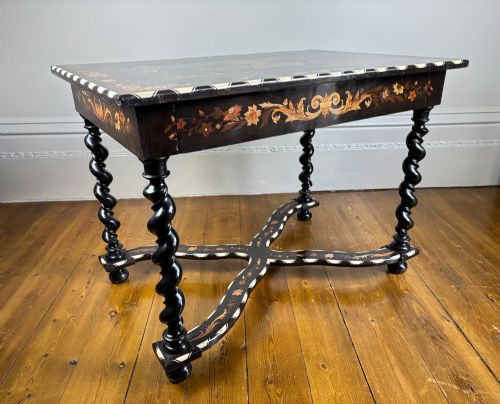
The format accommodates both rustic vernacular contexts, such as Welsh and farmhouse tables, and formal reception spaces using satinwood, marquetry inlay, and ebonised wood. Whether serving as a writing table, console, or coffee table, each piece displays the characteristic bracing configuration that defines the group.
How they were made
Construction relies heavily on timber selection, with native hardwoods like oak, elm, and walnut dominating earlier periods, while mahogany and satinwood gain prominence in later centuries. Cabinetmakers joined the intersecting diagonal stretchers to the legs using traditional joinery, occasionally incorporating wrought iron or brass hardware for added structural support.
Surface ornamentation varies widely according to period and style, encompassing intricate marquetry inlay, bone inlay, and ebonised finishes on certain continental pieces. Carved details and turned components appear on seventeenth and eighteenth-century examples, while later Edwardian and twentieth-century pieces often emphasise the clean grain of golden oak or pitch pine.
X Frame Stretcher Table Retail Price Guide 2026
Typical asking prices for x frame stretcher table among the pieces listed under this phrase on Sellingantiques today, from the lower quarter to the upper quarter. They describe what is for sale here now, not the wider market.
One seventeenth-century table makes clever use of oyster cut olive wood, turning humble tree branches into a rippling sea of polished timber.
What varies in quality
The standard of execution in timber selection and joinery marks the distinction between standard provincial pieces and high-status workshop production. Finer examples display precise matching of wood veneers, such as oyster cut olive wood or elaborate marquetry panels, integrated harmoniously into the structural frame.
Proportion and the integration of the stretcher geometry also determine the visual success of the piece, where delicate turning or robust architectural moulding elevates the overall composition. Alterations or later reconfigurations, as found on certain nineteenth-century adaptations of earlier forms, influence the historical integrity of the item.
Gillows
The X Frame Stretcher Table Glossary
- X frame stretcher
- A bracing configuration of diagonal wooden or metal members connecting the legs beneath a table top to prevent lateral movement. This arrangement provides both structural stability and a characteristic silhouette.
- Marquetry
- The art of applying pieces of veneer to a structure to form decorative patterns and pictorial designs. Cabinetmakers utilise contrasting timbers and organic materials to achieve rich surface detail.
- Draw leaf table
- A dining table equipped with sliding leaves stored beneath the main top that pull out to extend the surface area. This mechanism allows the table to accommodate varying numbers of diners.
- Oyster veneer
- Cross-section slices of small branches or roots laid to resemble the pattern of oyster shells. This technique creates a dense, concentric ripple effect across the surface of seventeenth-century furniture.
- Refectory table
- A long, narrow dining table traditionally used in communal dining halls. These sturdy tables typically feature substantial stretcher systems for rigidity.
X Frame Stretcher Table: Frequently Asked Questions
What is an x frame stretcher table?
An x frame stretcher table is a piece of furniture featuring diagonal bracing members that connect the lower legs or feet. This geometric underframe provides structural rigidity while adding a distinct architectural element to the design.
Such tables appear in numerous forms across the inventory, functioning as dining surfaces, side tables, and writing desks across several centuries.
How do I date an antique table?
Dating relies on examining the timber species, construction techniques, tool marks, and stylistic vocabulary characteristic of specific periods. Seventeenth-century examples often utilise oak or olive wood with hand-carved details, whereas later pieces incorporate mahogany, satinwood, or machine-sawn components.
Comparing the stretcher design and leg turning against documented historical examples helps narrow the period of manufacture.
Were these tables used for dining?
Many examples serve as dining, refectory, or farmhouse tables designed for daily meals, while smaller iterations function as side, lamp, or occasional tables. The robust stretcher system was originally engineered to keep large tables stable on uneven stone floors.
Today, homeowners utilise the smaller formats in living rooms and hallways, while larger refectory and draw leaf versions remain practical for modern dining spaces.
How do I care for antique wood?
Maintaining antique wood involves keeping tables away from direct heat sources and sudden humidity changes that can cause timber to split or warp. Regular dusting with a soft, dry cloth preserves the polished surface without damaging the finish.
Applying traditional beeswax periodically helps nourish older hardwoods like oak and walnut, maintaining their natural lustre over time.