
Wrought Iron Fire Irons
Wrought iron fire irons are robust hearth tools shaped for utility and longevity, bringing tactile weight to period fireplaces.
Wrought Iron Fire Irons
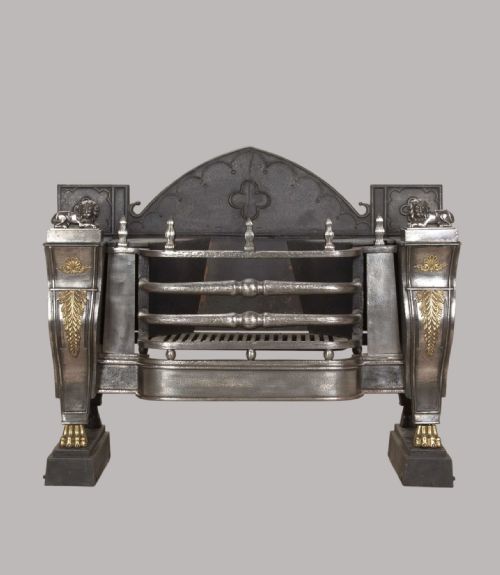
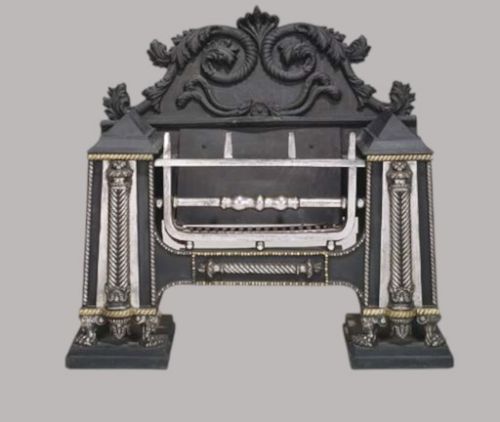
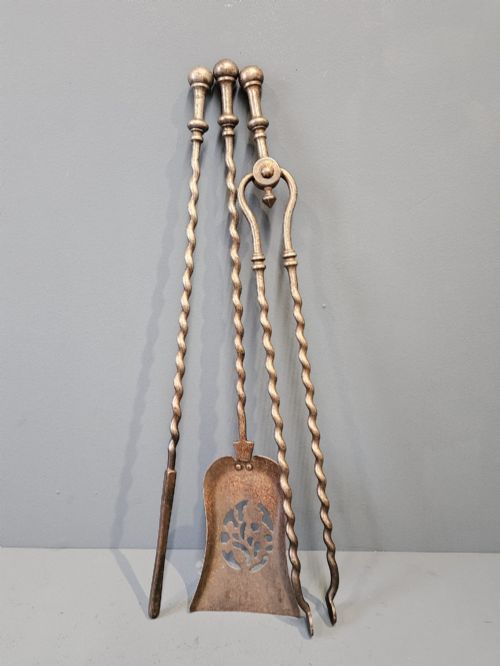
Wrought iron fire irons form part of a functional hearth setup alongside fire baskets, andirons, and companion sets designed to manage coal and wood fires. These pieces span periods from the Georgian era through Victorian, Edwardian, and the 1930s.
The versions most commonly met on this page include hand-forged companion sets and individual tools intended for daily fireside maintenance in country houses and period rooms. They operate alongside related accessories such as fire screens, grates, and fire dogs.
Makers and designers working within Arts and Crafts, Gothic Revival, and French Country styles produced these items using iron, steel, brass, and copper to endure high heat. The resulting equipment reflects the domestic routines of 18th, 19th, and early 20th century households.
Materials and construction
The primary material across these listings is wrought iron, frequently accompanied by cast iron, steel, and brass elements forged or cast into shape by metalworkers. Individual tools and companion sets rely on the natural malleability of iron when heated to create durable shafts and handles.
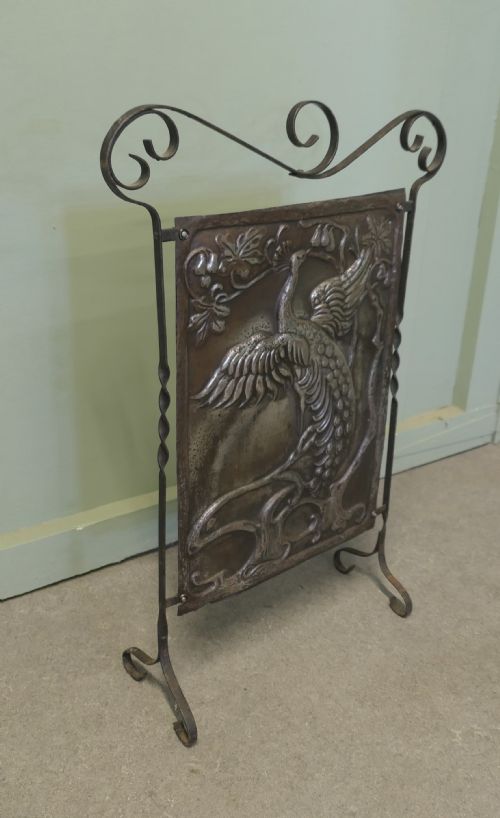
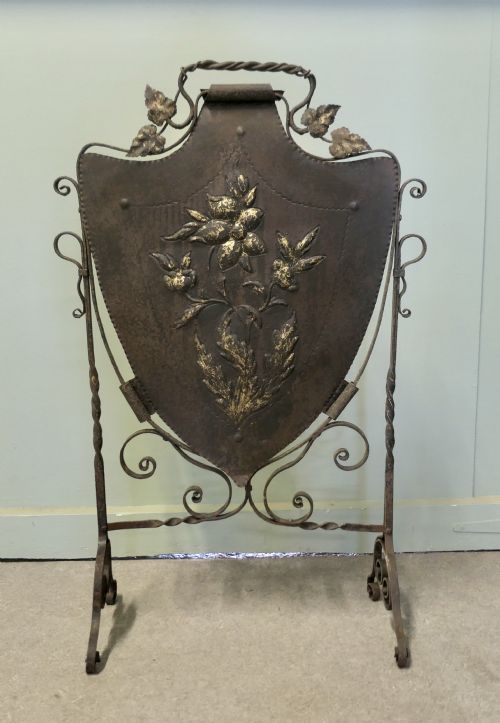
Decorative touches on screens and companion sets incorporate copper, wire mesh, and stained glass, while structural components depend on hand-forged joints and riveted assembly. This combination of heavy ironwork and lighter metallic accents ensured both structural strength around the hearth and ornamental detail.
Listings feature wrought iron, cast iron, steel, brass, and copper across 19th Century, Victorian, Georgian, and Edwardian periods.
Differentiating quality in ironwork
Quality in these hearth tools rests on the crispness of hand-forged detailing and the balance of the individual poker, shovel, or tongs in the hand. Pieces showing deliberate hammer marks and substantial weight demonstrate superior blacksmithing compared to lighter, mass-produced items.
The integration of mixed materials, such as polished steel working parts paired with solid iron handles, marks out finer examples from utilitarian ones. Furthermore, stylistic coherence within a matched set indicates a higher level of workshop design during periods like the Arts and Crafts movement.
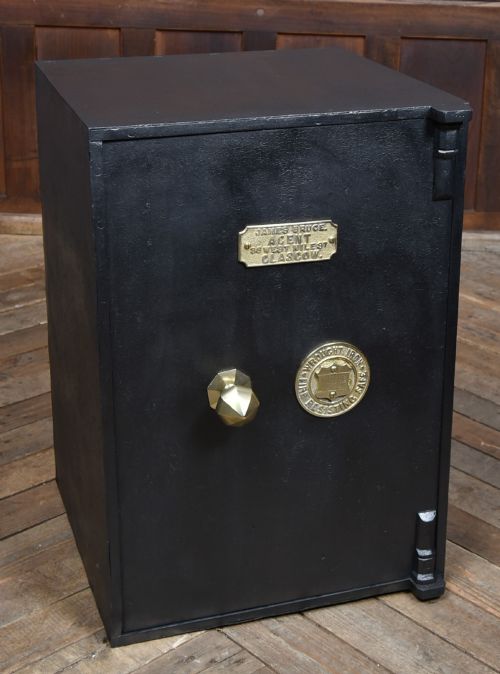
Christopher Dresser·James Bruce
The Wrought Iron Fire Irons Glossary
- Wrought iron
- Iron that has been heated and shaped with tools by a blacksmith, characterised by a fibrous internal structure and high resistance to fatigue. This material forms the backbone of traditional hearth furniture.
- Andirons
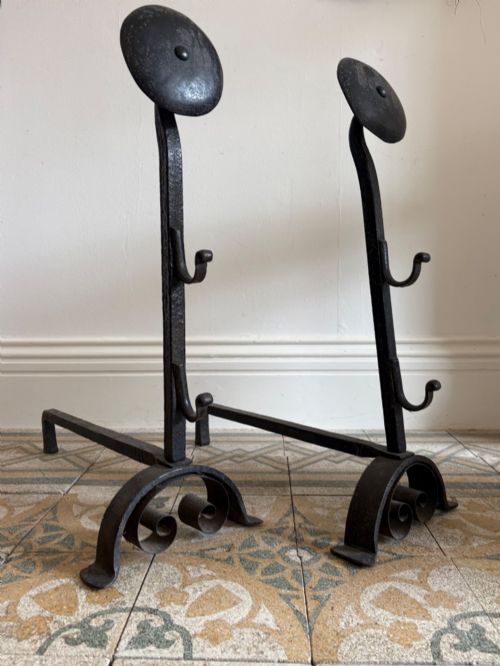
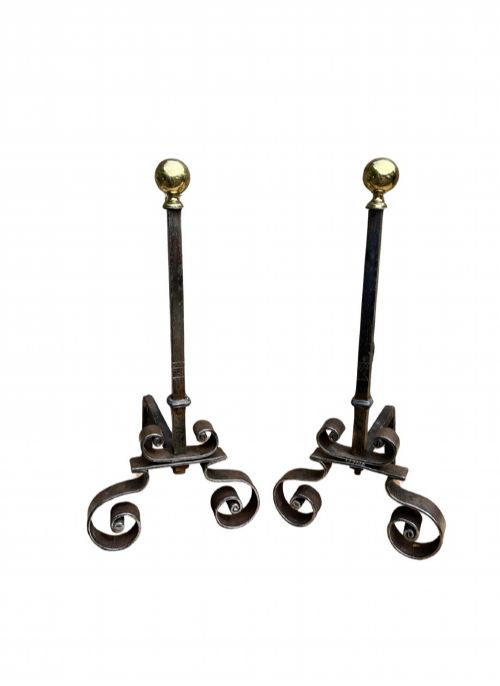
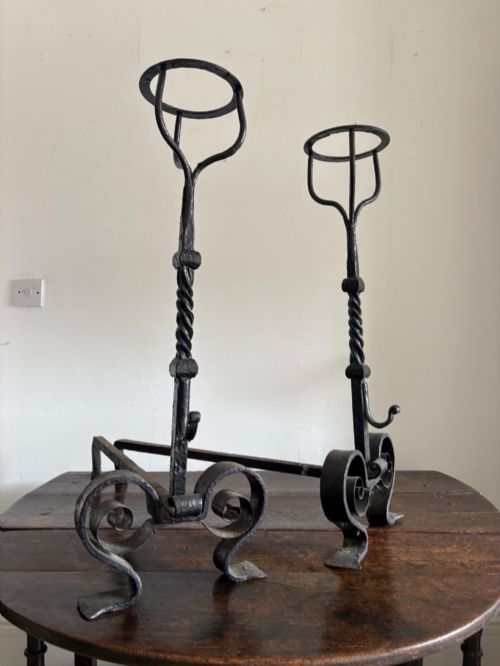
- Supports placed on either side of a hearth to hold logs above the floor of the fireplace for better air circulation. They frequently accompany fire baskets and matching tool sets.
- Companion set
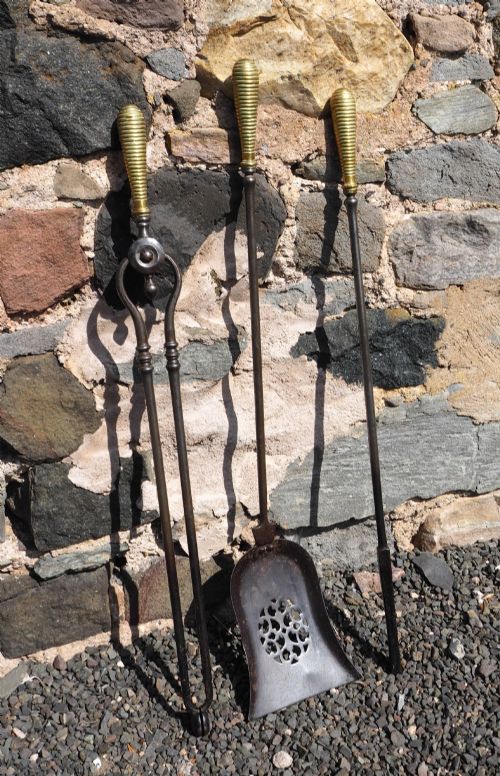
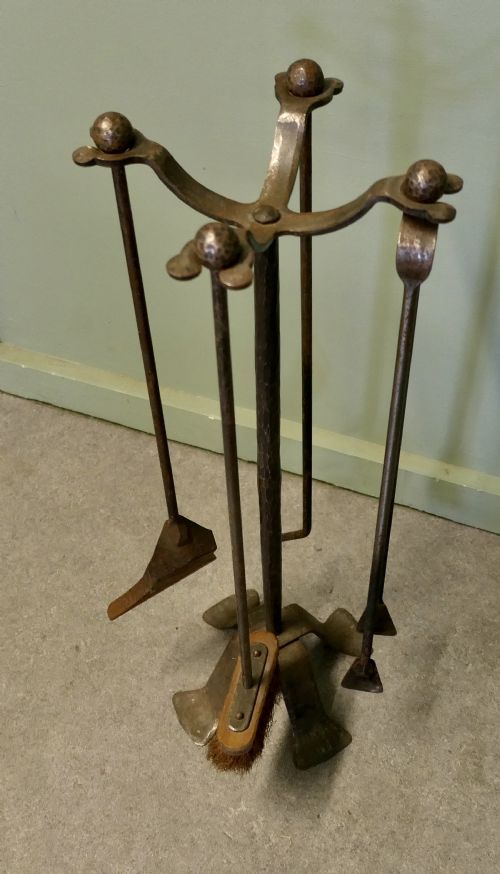
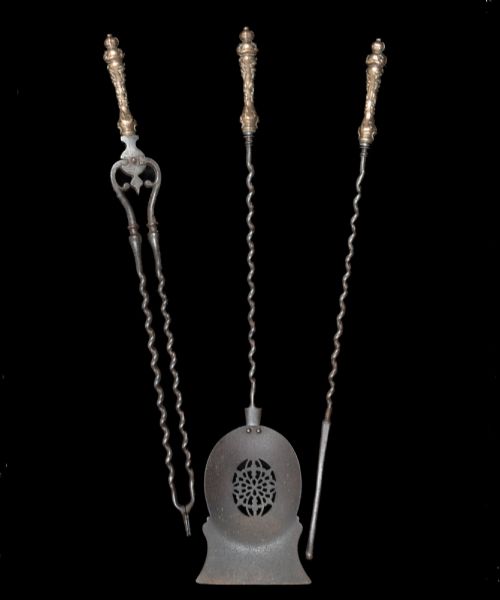
- A curated collection of fireplace tools, typically including a poker, shovel, and tongs, housed together on a stand or rest. These sets date heavily to the Victorian and Edwardian periods.
- Fire basket
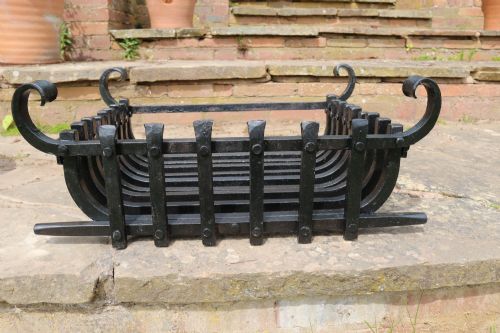
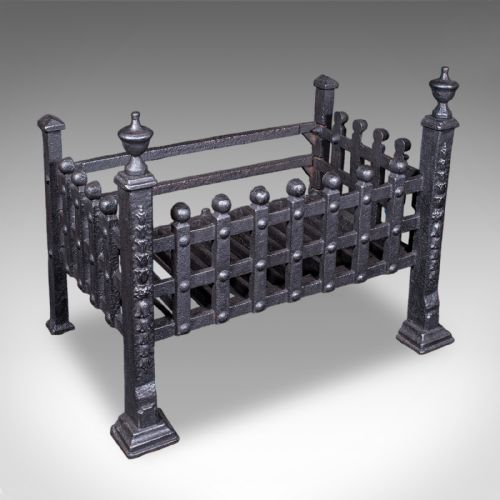
- An open metal grate designed to hold coal or wood within a fireplace opening. They often appear alongside hand-forged andirons and wrought iron guards.
Wrought Iron Fire Irons: Frequently Asked Questions
What tools belong in a companion set?
A traditional companion set generally contains a poker for adjusting fuel, a shovel for clearing ash, and tongs for placing logs.
These tools sit together near the hearth to keep the fireplace tidy and manageable during daily use.
How do I distinguish wrought iron from cast iron?
Wrought iron displays a fibrous, slightly textured surface from hand-hammering and bends rather than snaps under extreme stress. Cast iron is poured into moulds, resulting in a more uniform finish with crisp, sharp edges but greater brittleness.
Fire irons are almost exclusively forged or wrought to withstand the repeated bending and lifting required for stoking.
Which periods do these fire irons come from?
The listings span from the Georgian and Regency eras through the Victorian and Edwardian periods, extending into the 1930s. Gothic Revival and Arts and Crafts styles are particularly well represented among the Victorian and later pieces.
Earlier examples from the 18th century prioritize plain utility, while later Arts and Crafts items showcase visible blacksmith technique.
How should I clean historic iron fire irons?
Historic iron requires gentle maintenance with a dry cloth or a light application of specialist wax to protect the metal from moisture without stripping its age. Avoid abrasive cleaners or water immersion, which can induce active rusting on bare iron surfaces.
Preserving the original dark patina maintains both the historical integrity and the visual character of the forged metal.