


Decorative Hearth Accessories
Decorative hearth accessories bring form and utility to the fireplace through cast iron, brass, and leather pieces fashioned for the domestic interior.
Decorative Hearth Accessories
Decorative hearth accessories encompass functional items designed for the fireplace, spanning fire dogs, fenders, screens, and bellows. When exploring decorative hearth accessories, one encounters numerous nineteenth-century brass and iron examples shaped by Victorian, Georgian, and French styles.
The objects serve practical roles in managing fires while introducing ornament to the mantelpiece and hearth. Surviving pieces range from cast iron firebacks and steel fire irons to leather fire buckets and brass chestnut roasters.
Materials and construction
Makers shaped metals such as brass, cast iron, wrought iron, and bronze through casting, forging, and piercing. Gilt bronze and ormolu mounts added rich surface contrast to French chenets and fire screens.
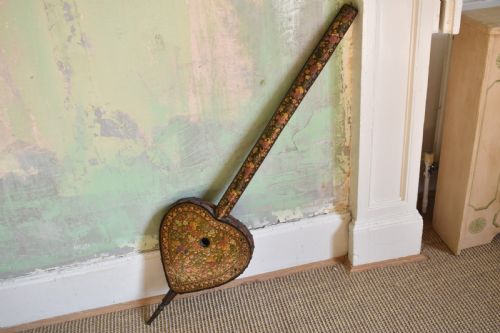
Organic materials like leather received soft coverings and metal hardware for items such as fire buckets and bellows. Artisans decorated wooden and leather surfaces with painted Chinoiserie motifs or pastoral scenes.
Listings feature items predominantly from the nineteenth century alongside eighteenth-century Georgian examples, utilising brass, wrought iron, leather, and gilt bronze.
Standards of craftsmanship
Quality rests in the crispness of the casting and the weight of the metal. Fine brass and bronze pieces exhibit sharply chased details on floral and figural motifs rather than soft, blurred edges.
Construction integrity distinguishes utilitarian items, seen in the secure fastening of fire screens and the robust joinery of iron fire irons. Superior examples combine structural durability with refined decorative styling.
The Decorative Hearth Accessories Glossary
- Chenet
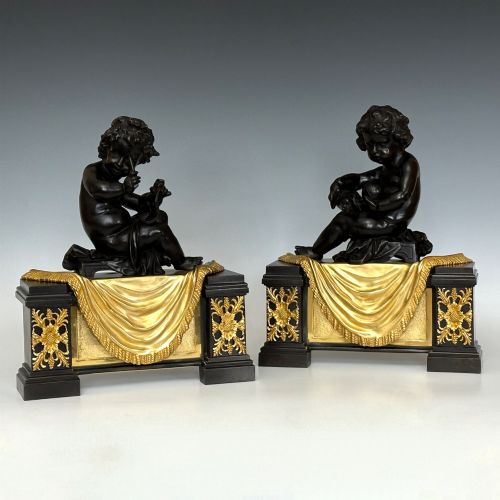
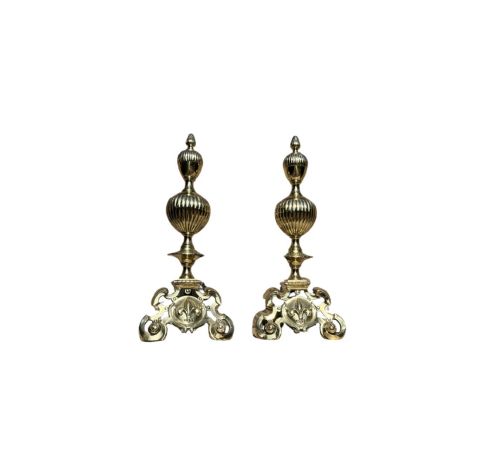
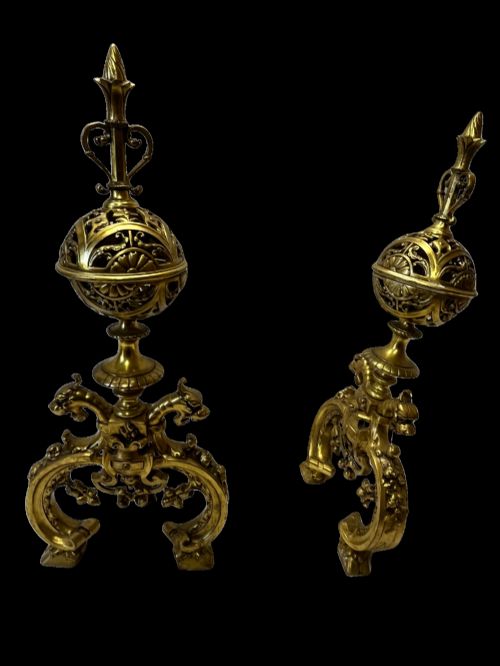
- An alternative term for andirons or fire dogs, placed on the hearth to support logs.
- Fireback
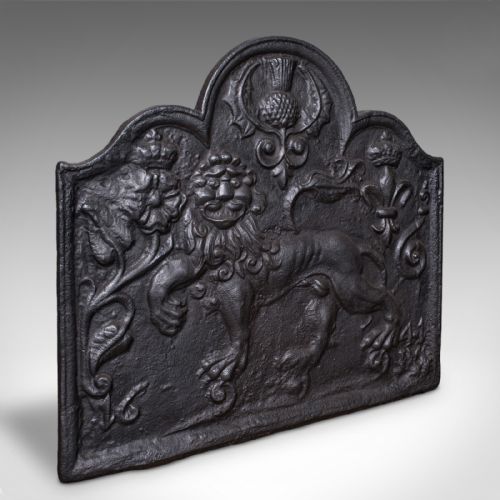
- A heavy plate of cast iron placed at the back of a fireplace to reflect heat and protect the masonry.
- Fender
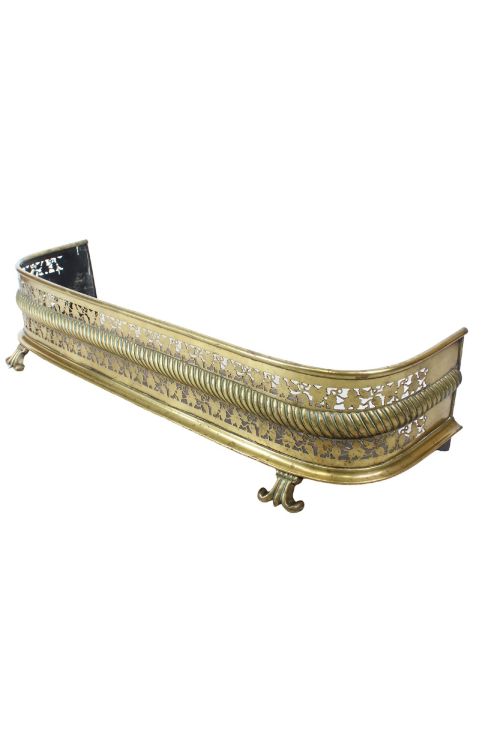
- A low metal guard placed around the hearth to contain sparks and ash from the fire.
- Andirons
- Supports made of iron, brass, or bronze used to hold firewood off the hearth floor.
- Trivet
- A small metal stand placed near the fire to support kettles or warming vessels.
Decorative Hearth Accessories: Frequently Asked Questions
What is the purpose of a fire screen?
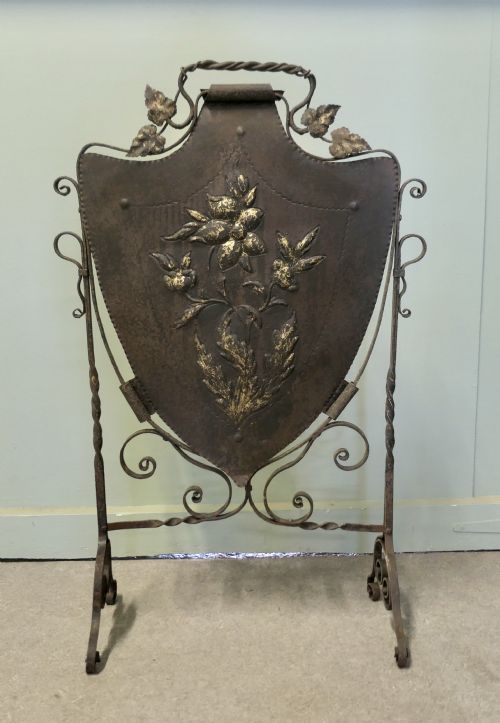
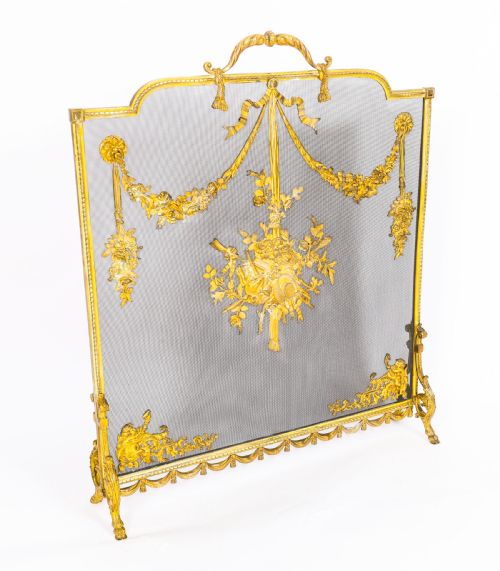
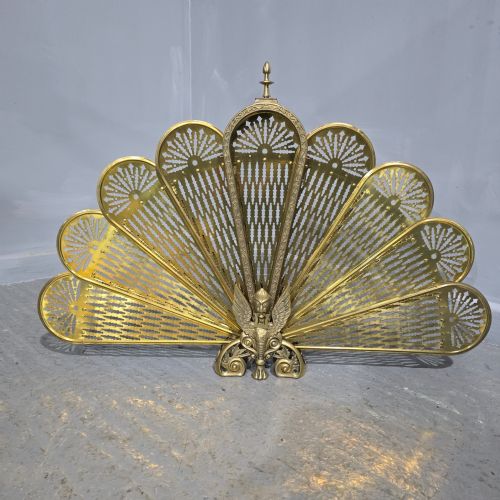
Fire screens were designed to shield occupants from the intense radiant heat of an open fire when seated nearby. They also served to hide the unlit hearth during warmer months.
Many examples utilise brass wire mesh or decorative panels mounted on stands, combining practical protection with ornate Victorian or French styling.
How were leather fire buckets used?
Leather fire buckets formed part of early domestic safety equipment kept near the hearth for fetching water in emergencies. Sturdy leather construction held liquid effectively when treated.
Surviving examples often feature stiff leather coverings and dates or coats of arms, reflecting their dual role as utilitarian items and decorative hall accessories.
What are chenets?
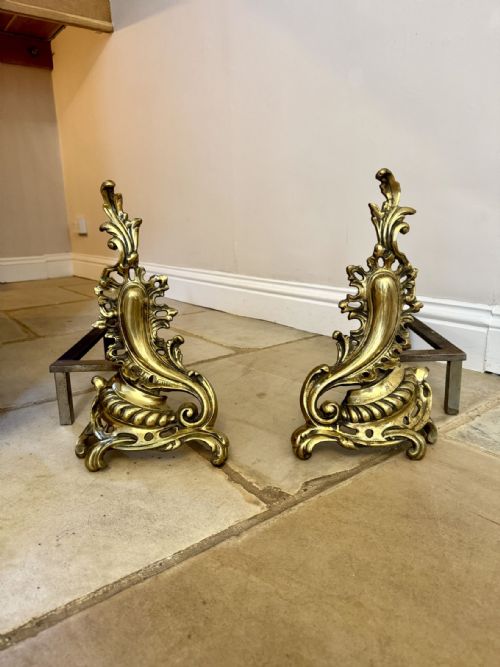
Chenets are the French equivalent of andirons, used to elevate firewood inside the fireplace to improve air circulation. They often feature ornamental bronze or brass fronts.
Pairs of chenets frequently match decorative fire dogs seen in nineteenth-century French and English interiors, displaying rococo or classical styling.
How do I identify a fireback?
A fireback is a heavy slab of cast iron positioned against the rear brickwork of a fireplace. Its primary function is to absorb and reflect heat back into the room.
These panels often feature moulded pictorial designs, dates, or coats of arms, ranging from plain functional iron to decorative pieces.