


Antique Metal Firedogs
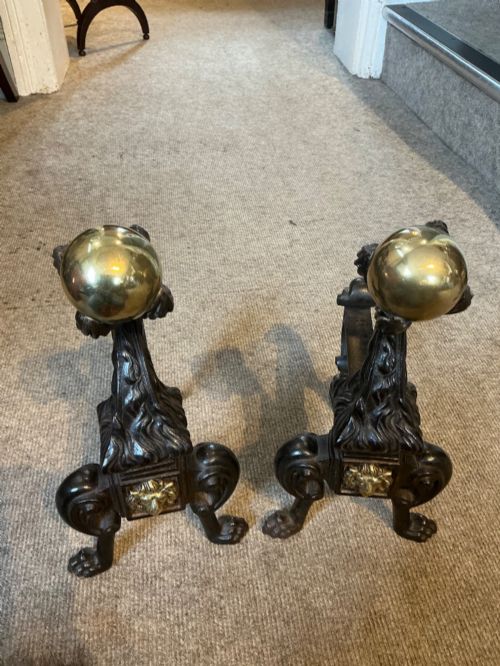
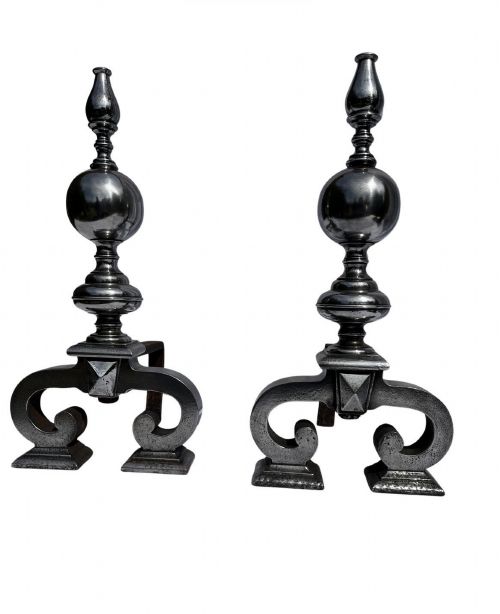
Antique metal firedogs hold the hearth with structural weight and cast or forged detail, ready to support logs and frame a fireplace.
Antique Metal Firedogs
Antique metal firedogs, also known as andirons or fire dogs, serve as structural supports for burning wood within an open hearth. These hearth accessories frequently appear in pairs and date across multiple centuries.
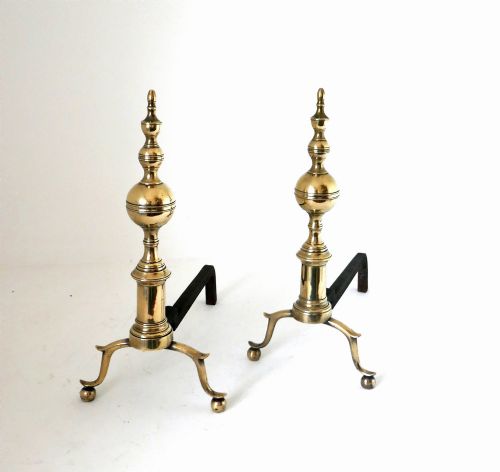
The pieces on this page span several eras, with nineteenth-century examples and Victorian designs occurring most frequently. Buyers will encounter both simple utilitarian iron supports and highly decorative brass or bronze variations.
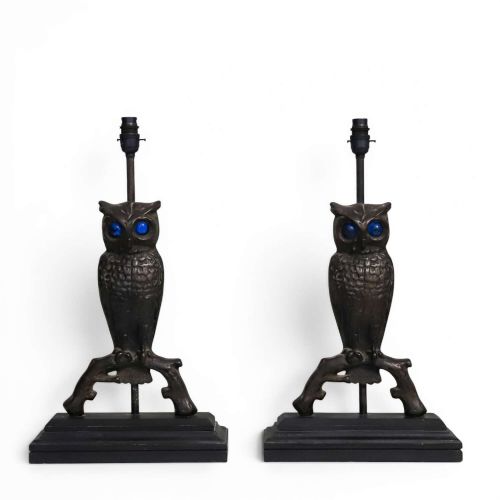
Forms range from plain wrought iron bars to elaborate figural castings and monumental pairs designed for substantial fireplaces. Some twentieth-century iterations show functional adaptations, such as pairs converted into table lamps.
How they were made
Makers utilised heavy metals including cast iron, wrought iron, brass, bronze, copper, and steel to withstand intense hearth temperatures. Brass and bronze components were frequently cast and sometimes combined with iron or steel frames.
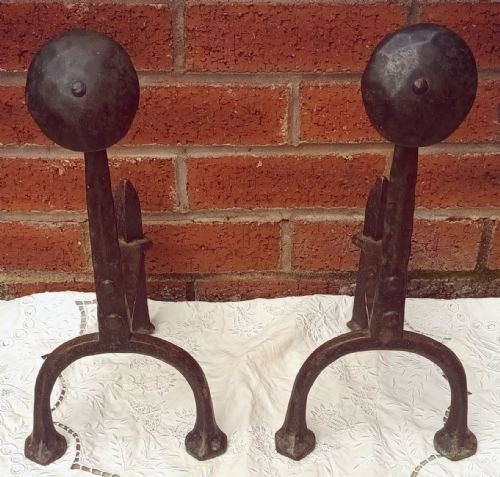
Wrought iron examples relied on hand-forging techniques where smiths hammered and shaped the hot metal into functional bars and scrollwork. Cast elements involved pouring molten metal into moulds to achieve decorative motifs and figural shapes.
Some resilient nineteenth-century cast iron owls left the hearth behind entirely, enjoying a quiet retirement indoors as electrical table lamps.
What varies in quality
Quality in antique metal firedogs depends on the weight of the metal and the precision of the casting or forging. Substantial, finely cast brass and hand-forged iron demonstrate superior craftsmanship compared to lighter production pieces.
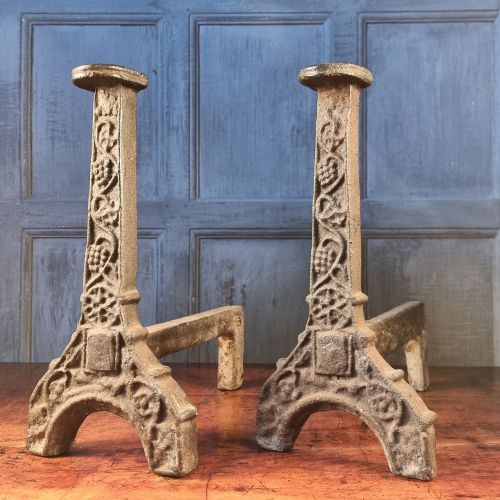
Decorative detail distinguishes finer pairs, such as crisp figural work, ormolu mounts, and complex Arts and Crafts or Gothic stylistic execution. The integration of materials, like brass mounted on iron, also marks the distinction between standard utilitarian items and high-end hearth furnishings.
James Cartland and Son
The Antique Metal Firedogs Glossary
- Andiron
- A metal support placed in a hearth to hold logs above the floor for better air circulation. These function identically to firedogs.
- Chenet
- The French term for an andiron or firedog, frequently associated with decorative bronze and ormolu mounts.
- Wrought iron
- Iron that has been heated and shaped by hand hammering rather than poured into a mould. This material provides sturdy structural support in early hearth equipment.
- Ormolu
- Finely ground high-carat gold applied to a bronze base object. This technique creates a rich decorative surface seen on high-status examples.
- Arts and Crafts
- A design movement emphasising hand-craftsmanship and simple structural forms over mass-produced ornamentation. Pieces from this style often display visible hammer marks and honest construction.
Antique Metal Firedogs: Frequently Asked Questions
What is the difference between firedogs and andirons?
There is no functional or physical difference between firedogs and andirons, as both terms describe the same hearth supports. Regional preferences determine which word appears in historical descriptions.
Buyers will find both terms used interchangeably across listings for nineteenth and twentieth-century fireplace accessories.
How do I date antique metal firedogs?
Dating relies on stylistic markers, manufacturing techniques, and the specific metals utilised in the construction. Victorian and Arts and Crafts examples display distinct decorative motifs compared to earlier eighteenth-century or Gothic pieces.
Examining the assembly methods, such as hand-forging versus machine casting, helps establish the production era.
Can I use antique firedogs in an active fireplace?
Most solid metal firedogs are constructed from durable materials like cast iron and wrought iron designed to withstand hearth heat. However, delicate decorative elements or brass components require careful placement to avoid thermal damage.
Converted items, such as those made into lamps, are no longer suitable for active hearth use.
How should I clean antique brass and iron firedogs?
Maintenance involves gentle dusting and the occasional removal of surface soot using dry cloths or soft brushes. Heavy polishing alters the aged surface patina that collectors prefer to retain.
Iron components benefit from light applications of protective wax to prevent oxidation in damp environments.