

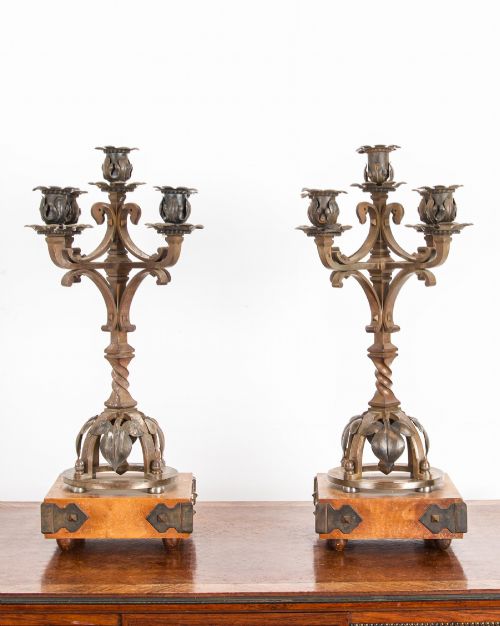
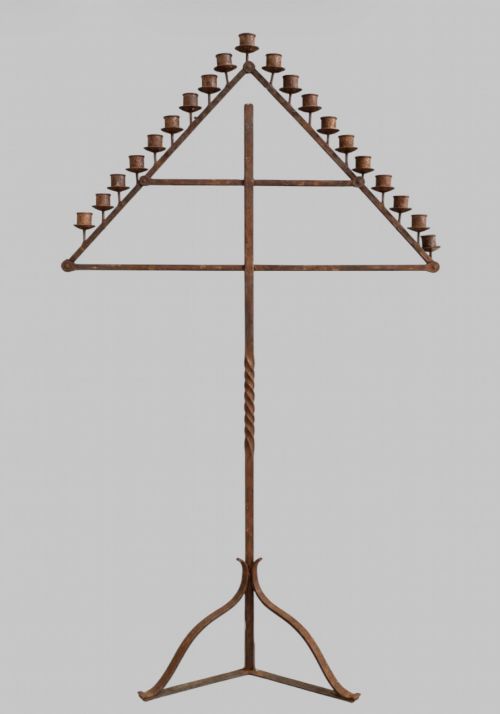


Wrought Iron Candle Holder
These wrought iron candle holder selections bring substantial historic metalwork into modern rooms.
Wrought Iron Candle Holder
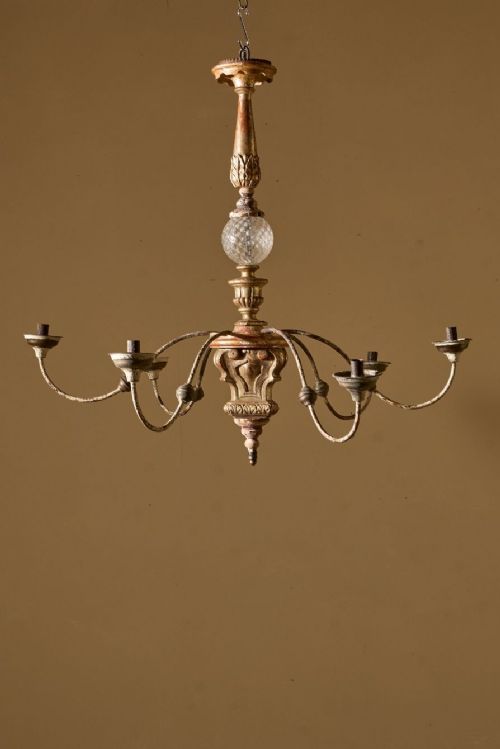
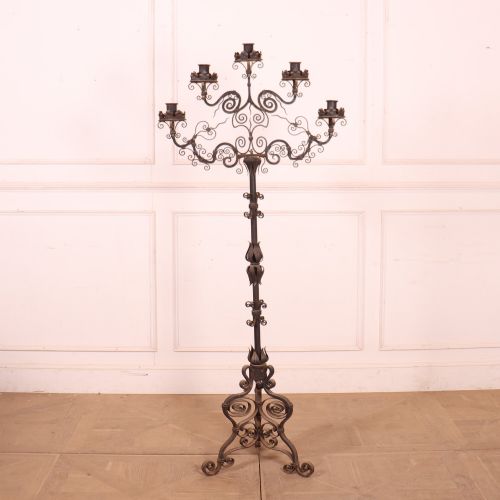
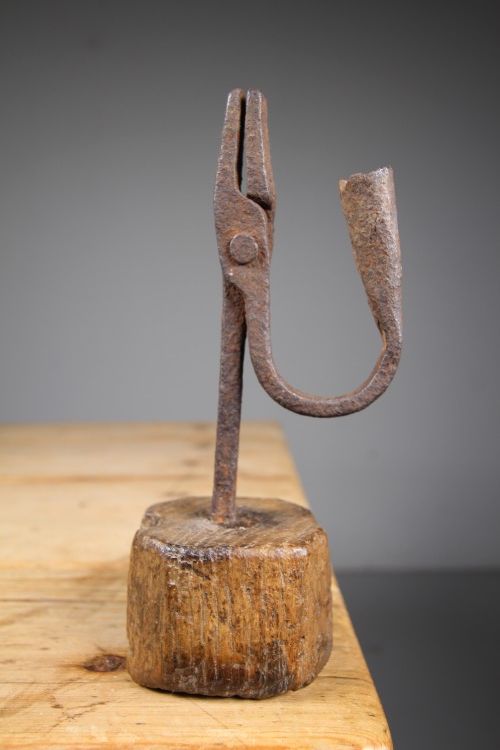
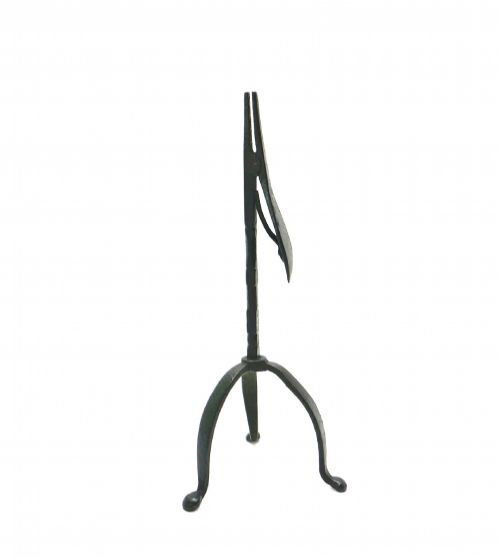
A wrought iron candle holder encompasses functional domestic lighting from the seventeenth century through to the art deco period, ranging from simple table sticks to architectural floor candelabras. Buyers searching for a wrought iron candle holder encounter diverse regional forms including Welsh rush nips, spiral candlesticks, and multi-branch chandeliers.
The material repertoire extends beyond plain metal to include combinations with wood, brass, and glass. Pieces emerge from distinct stylistic movements such as Gothic Revival, Arts and Crafts, and Amsterdam School, reflecting centuries of changing interior illumination needs.
Materials and construction methods
Blacksmiths shaped wrought iron and steel manually, utilising forging techniques to create spring-action mechanisms, tripod bases, and twisted stems. Combinations with brass and oak appear across domestic items and church furnishings.
Surface treatments and structural assembly rely on traditional hot-working methods, leaving visible hammer marks and structural rivets that evidence hand fabrication across centuries.
Wrought Iron Candle Holder Retail Price Guide 2026
Typical asking prices for wrought iron candle holder among the pieces listed under this phrase on Sellingantiques today, from the lower quarter to the upper quarter. They describe what is for sale here now, not the wider market.
Listings span the seventeenth through to the twentieth century, incorporating wood, brass, and glass alongside forged iron.
Quality variations in historic metalwork
The distinction between standard domestic items and superior examples lies in the complexity of the forging and the integrity of the original mechanism. Spring actions on rushlight holders and balanced proportions on floor-standing candelabras indicate superior workshop execution.
State of preservation significantly influences desirability, particularly regarding original surface patination and the survival of secondary materials like wood bases or brass fittings.
Hugo Berger Goberg
The Wrought Iron Candle Holder Glossary
- Rushlight
- A simple lighting device utilising a rush dipped in fat clamped between iron jaws. The counterweight often forms part of a dual-purpose candleholder.
- Pricket
- A sharp metal spike upon which a candle is impaled. This form appears frequently on seventeenth and eighteenth-century altar sticks and chandeliers.
- Torchère
- A tall stand or candlestick designed to support a light source at an elevated position. These architectural pieces often feature tripod or cruciform bases.
- Chamberstick
- A portable candle holder fitted with a shallow pan and a loop handle for carrying through rooms. They frequently incorporate socket or pricket designs.
- Rush nip
- The pivoting jaw mechanism of a rushlight holder that grips the combustible reed. Smith-made examples display considerable variation in spring tension.
Wrought Iron Candle Holder: Frequently Asked Questions
What is a rushlight combination?
Many early pieces combine a spring-action rush nip with a standard socket for wax candles. This dual function allowed households to utilise whichever fuel source was available.
Such items demonstrate the practical adaptability of seventeenth and eighteenth-century lighting equipment.
How do I date an iron candlestick?
Dating relies on construction marks, base formation, and stylistic indicators such as Gothic Revival motifs or Arts and Crafts simplicity. Tripod bases and twisted iron stems appear across distinct historical centuries.
Comparison with documented examples helps narrow the period of manufacture.
Where were floor candelabras used?
Large multi-branch floor standing pieces served churches, chateaux, and grand domestic halls requiring substantial illumination. Their architectural scale provided both lighting and visual presence.
Smaller examples function effectively as standalone decorative floor objects today.
Are these items purely decorative?
While historic metalwork functions well in contemporary interiors, many pieces retain their original mechanical utility. Rush holders and pricket sticks remain mechanically complete.
Careful placement allows collectors to use them for taper candles and ambient lighting.