
18th Century Lighting
These 18th century lighting pieces offer genuine period character and domestic history that collectors prize for authenticity.
What 18th Century Lighting Is
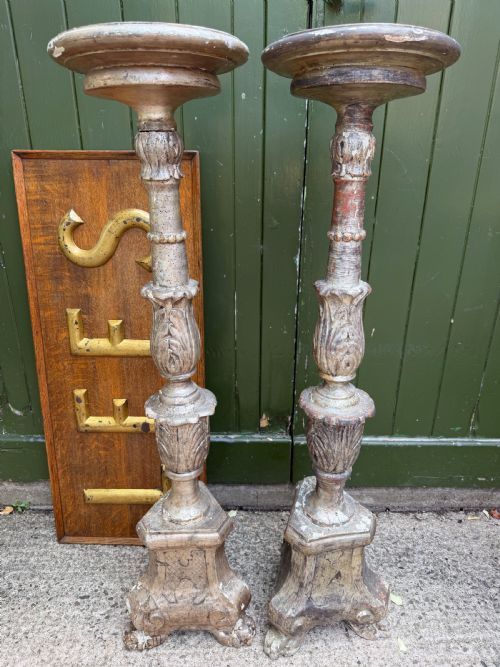
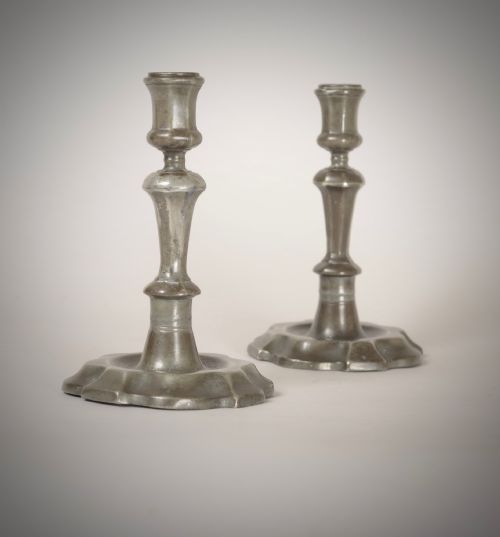
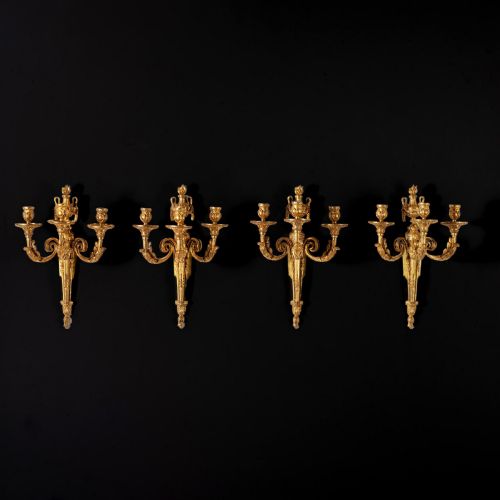
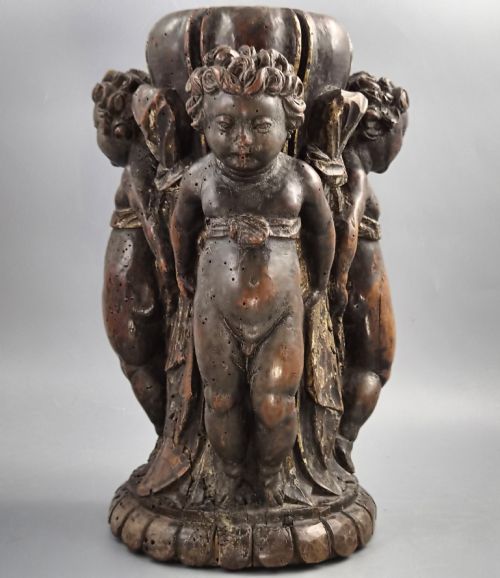
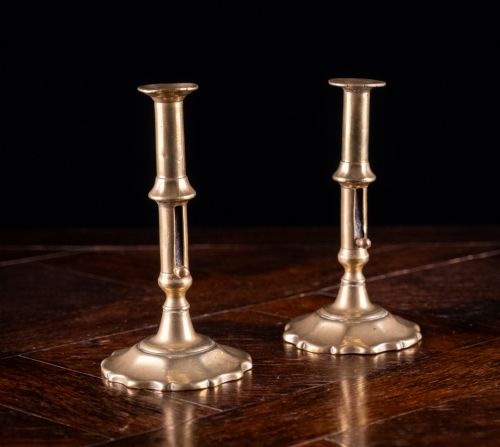
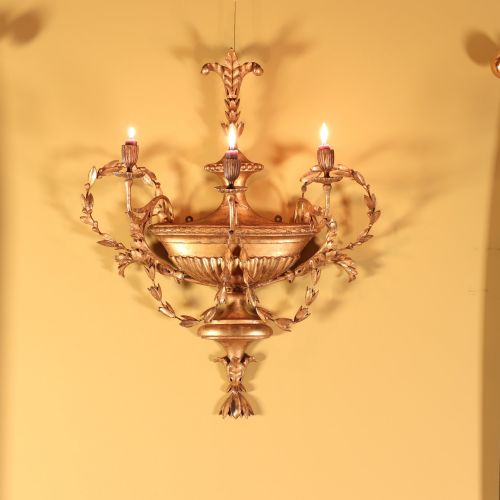
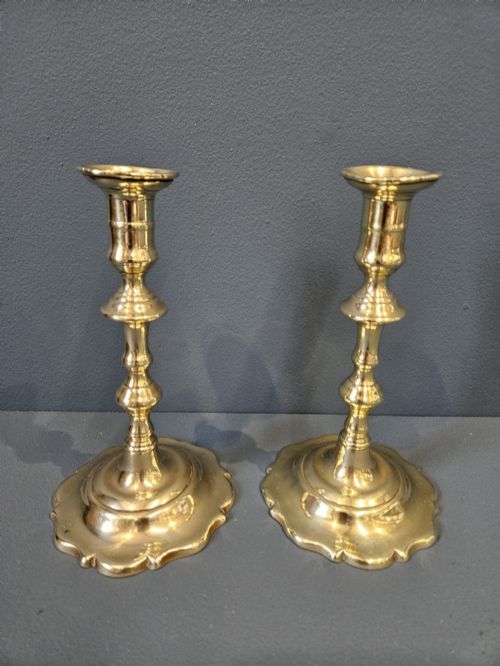
When you search for 18th century lighting, you encounter functional domestic objects from the Georgian and Georgian Vernacular periods designed to illuminate homes before the widespread availability of gas or electricity. The selection includes rushlight holders, known also as rush nips, alongside larger items such as candle holders and multi-branched chandeliers.
The most common forms you meet on this page are iron rushlight holders and brass chandeliers originating from English and Dutch workshops. These range from small table-top rush nips with cruciform bases to large-scale Dutch brass twelve-branch fixtures.
How They Were Made
The objects recorded in the listings utilise wrought iron, wood, and brass as their primary construction materials. Blacksmiths hammered and shaped iron into spring-action jaws for holding rushlights, frequently mounting them on heavy wooden or iron bases to ensure stability.
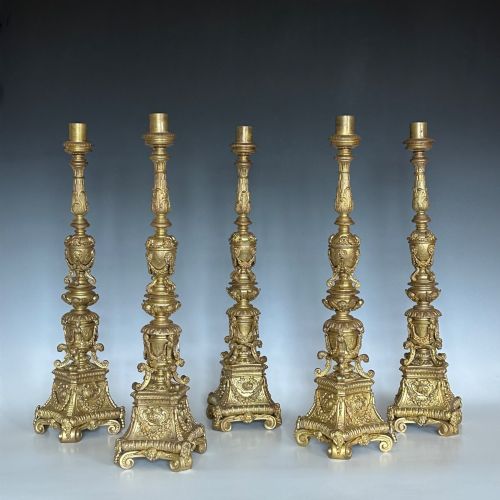
Foundry workers cast brass components for the larger chandeliers, assembling multi-tiered branches by hand. These metalwork and woodworking techniques reflect the prevailing trades of the Georgian and Dutch Baroque styles.
Retail Price Guide 2026
Typical UK retail prices for 18th century lighting, calculated from the Sellingantiques database of over a million retail prices indexed since 2003. This retail price guide relies exclusively on Sellingantiques data; no external sources or auction records are used, so the figures do not describe the wider market.
Early households kept a sharp pair of iron nips handy just to trim the smoking rush before it put the room in total darkness.
What Varies in Quality
Quality in these pieces rests upon the scale and complexity of the metalwork rather than mere age alone. A large-scale or multi-tiered chandelier demonstrates superior brass casting and structural ambition compared to a standard domestic rushnip.
The 18th Century Lighting Glossary
- Rushlight
- A simple candle substitute made by peeling the pith of a rush and dipping it in animal fat. It provides the fuel burned in rushlight holders.
- Rushnip
- Another term for a rushlight holder, describing the spring-loaded jaws that grip the rush. These jaws operate via a counterweight or spring mechanism.
- Cruciform base
- A cross-shaped foot designed to give small lighting devices greater stability on a table. This form appears on specific rushlight holders.
- Chandelier
- A large, branched decorative ceiling fixture designed to hold multiple candles. Examples range across Dutch Baroque designs with numerous branches.
Frequently Asked Questions
What is a rushlight holder?
A rushlight holder is a small iron device featuring spring-action jaws designed to grip a fat-dipped rush. These objects provided portable illumination in homes before cheap candles became widely accessible.
They sit on tables or incorporate heavy bases to stand securely while burning rushes. Collectors value them for their direct connection to everyday Georgian domestic life.
How do you date 18th century lighting?
Dating relies on identifying the construction materials, tool marks, and stylistic traits typical of the Georgian era. Wrought iron techniques and brass casting methods changed over the course of the hundred years.
Comparing the form against documented examples helps confirm the period. Original patination and wear patterns also indicate genuine age.
Were rushlights used instead of candles?
Rushlights served as an economical source of light for poorer households who could not afford beeswax or tallow candles. People gathered rushes, peeled them, and soaked them in rendered fat.
While candles were brighter and cleaner, rushlights offered a daily utility that left behind fascinating iron survival pieces. Wealthier homes utilised brass chandeliers with candles instead.
How do I clean brass chandeliers?
Historic brass requires minimal intervention to preserve its aged surface and historical character. Excessive polishing removes the desirable dark patination built up over centuries.
Dusting gently with a soft cloth is usually sufficient for maintenance. Avoid harsh chemical cleaners that strip the metal of its age.