



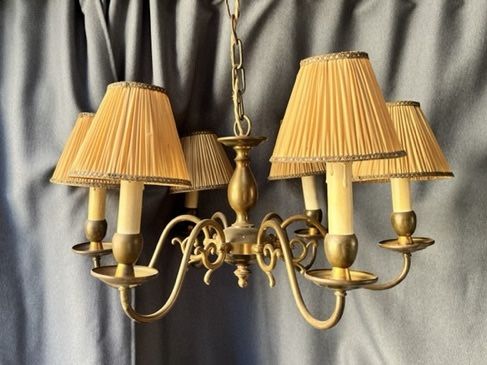


Dutch Brass Light Fitting
These dutch brass light fitting examples bring warmth and period character to a room, spanning styles from Dutch Baroque to Amsterdam School.
Dutch Brass Light Fitting
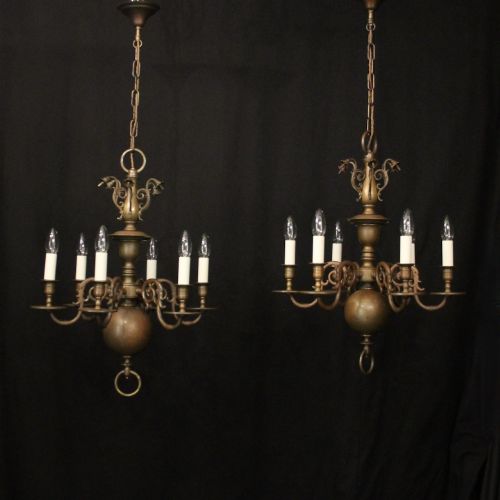
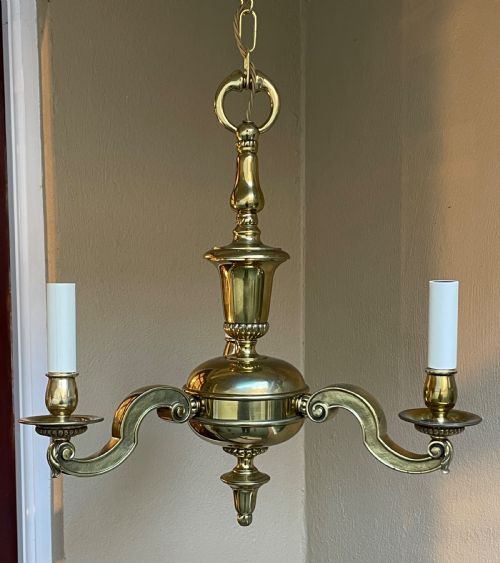
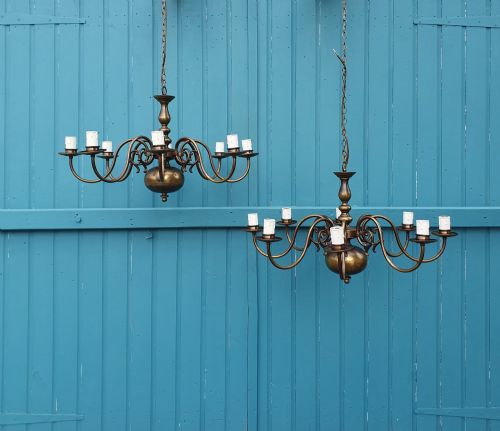
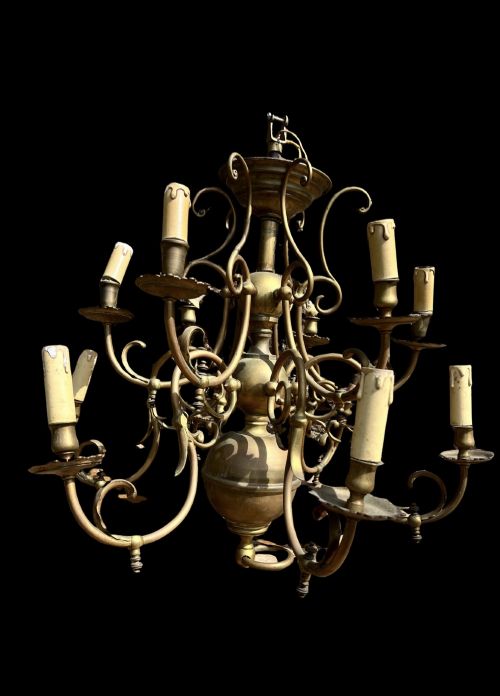
A dutch brass light fitting represents a tradition of metalwork found in chandeliers and ceiling lights across several centuries. Buyers searching for a dutch brass light fitting encounter forms ranging from simple multi-branch designs to grand tier arrangements.
Many examples channel regional aesthetics such as Dutch Baroque, Flemish Renaissance, and Amsterdam School. These ceiling fixtures range from compact seventeen-inch models to substantial thirty-inch multi-light structures.
How they were made
Makers utilised cast brass, solid brass, and bronze to form the primary structure of each dutch brass light fitting. Copper and silver plate occasionally appear alongside the core metalwork to introduce varied surface tones.
Structural elements rely on scroll arms and multi-tiered framing, sometimes incorporating glass elements or fabric components. Early methods involved sand casting and hand finishing to build durable ceiling lights.
What varies in quality
The distinction between standard and superior examples rests in the complexity of the casting and the depth of the metalwork. Heavier solid brass construction and refined scroll arms separate finer chandeliers from simpler production.
Stylistic adherence to historical movements such as Dutch Baroque Revival or Amsterdam School dictates the artistic merit of individual pieces. Well-executed proportional balance across multiple tiers elevates an interior light fixture.
The Dutch Brass Light Fitting Glossary
- Chandelier
- A branched ornamental light fixture suspended from the ceiling. These pieces distribute illumination across multiple arms.
- Cast brass
- An alloy of copper and zinc poured into a mould to form solid decorative and structural components. This technique allows for intricate ornamentation on lighting frames.
- Dutch Baroque
- An artistic style characterised by ornate detail, rich movement, and dramatic forms. Pieces in this aesthetic reflect seventeenth and eighteenth-century Low Countries design principles.
- Amsterdam School
- An architectural and design movement from the early twentieth century featuring expressive forms and traditional craftsmanship. Works from this school display distinct geometric shapes.
Dutch Brass Light Fitting: Frequently Asked Questions
How do I date a brass chandelier?
Dating relies on stylistic clues, manufacturing techniques, and material composition seen in the construction. Pieces from the eighteenth century show different casting methods compared to Edwardian or Amsterdam School variants.
Examining the form of the scroll arms and the assembly of the branches helps place the object within its correct historical period.
Where should I hang a large brass light fitting?
These multi-branch ceiling lights suit rooms with adequate ceiling height to accommodate their spread and drop. Dining rooms and entrance halls provide traditional placement where the piece acts as a central focal point.
Ensuring proper clearance beneath the lowest tier is essential for safe placement in domestic spaces.
What is the difference between solid brass and cast brass?
Solid brass refers to components fashioned entirely from the copper and zinc alloy without plated base metals. Cast brass involves pouring molten metal into specific moulds to achieve detailed decorative profiles.
Both materials offer durability, though cast elements often display greater sculptural complexity.
How do I maintain an antique brass finish?
Regular dusting with a soft, dry cloth preserves the surface without disturbing the natural ageing process. Harsh chemical cleaners strip away desirable patination built up over decades or centuries.
Allowing the metal to age naturally maintains the historical character valued by collectors.