

Wrought Iron Bed Frame
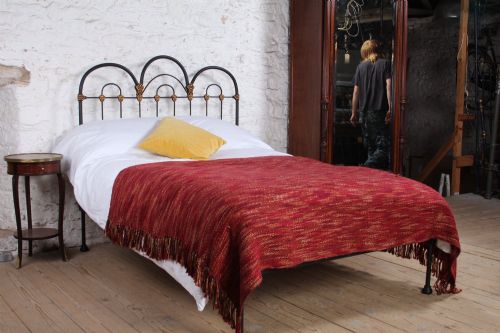
A wrought iron bed frame offers a sturdy and decorative centrepiece for the bedroom, combining structural strength with ornate metalwork.
What They Are
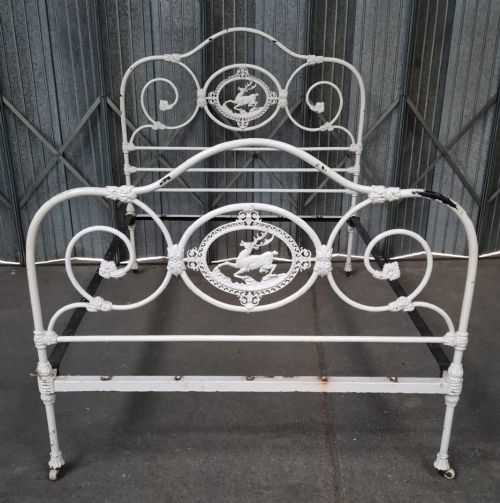
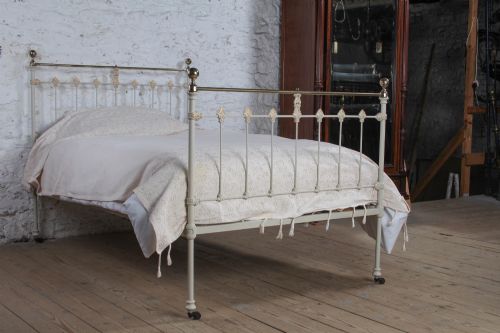
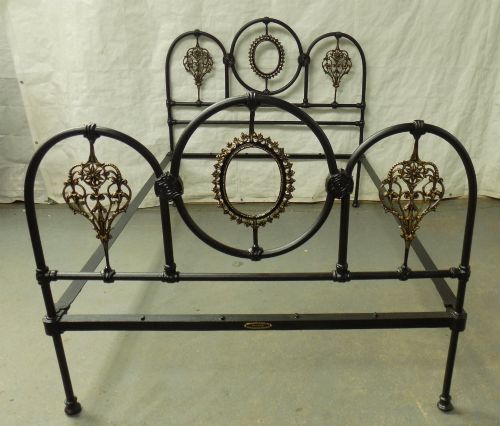
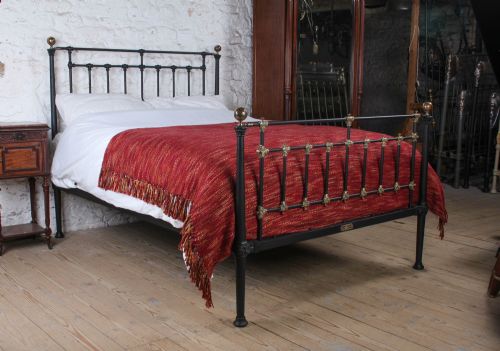
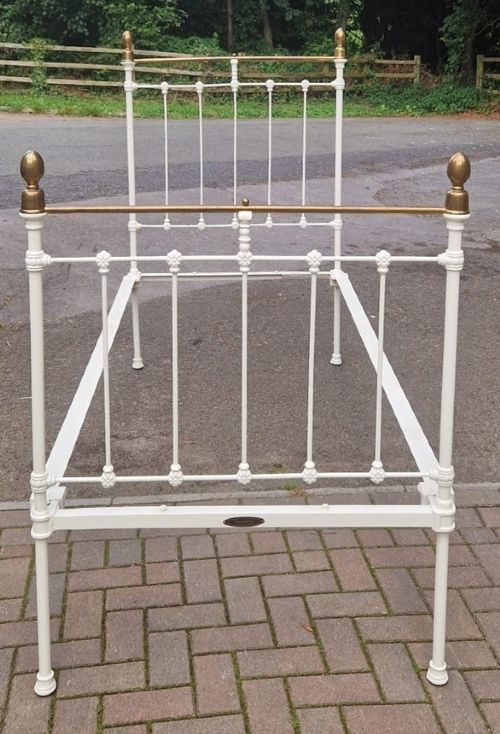
A wrought iron bed frame is a robust sleeping structure built primarily from metal, often featuring decorative details in brass and iron. These pieces appear across Victorian, 1890, and 1900 periods, bringing historic character into modern bedrooms.
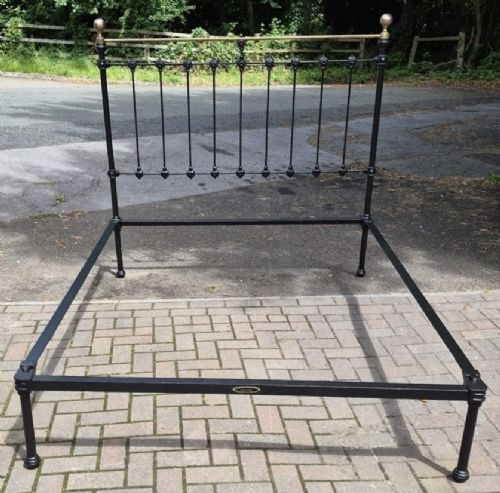
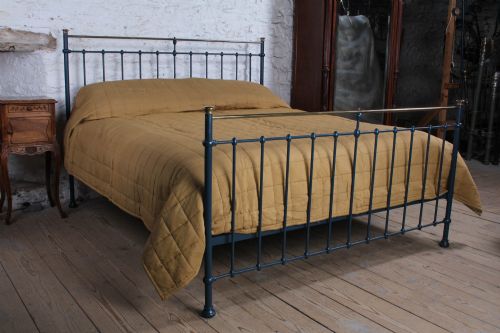
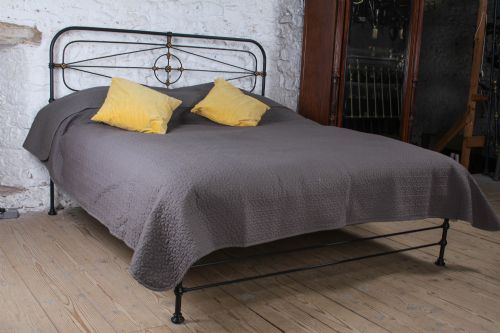
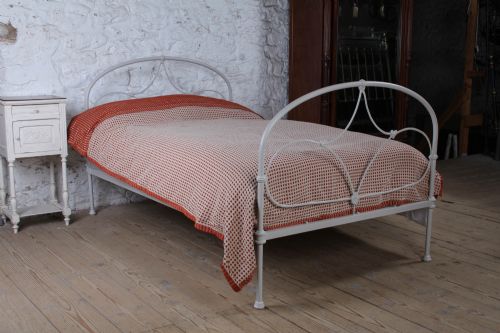
The selections available include French double beds and larger king size bed frames. Many examples take the form of no end beds, offering an open silhouette that suits smaller spaces.
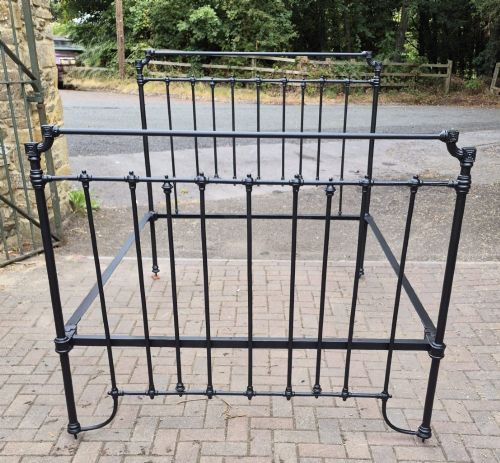
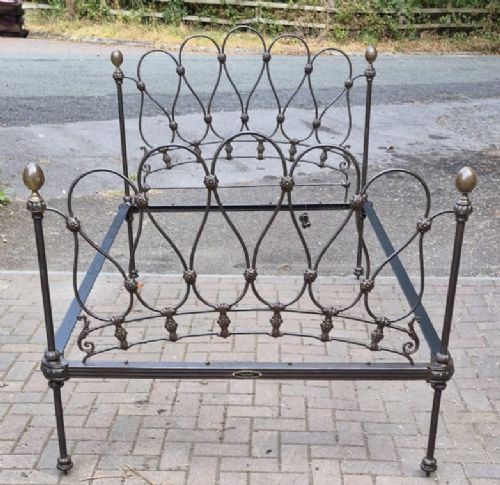
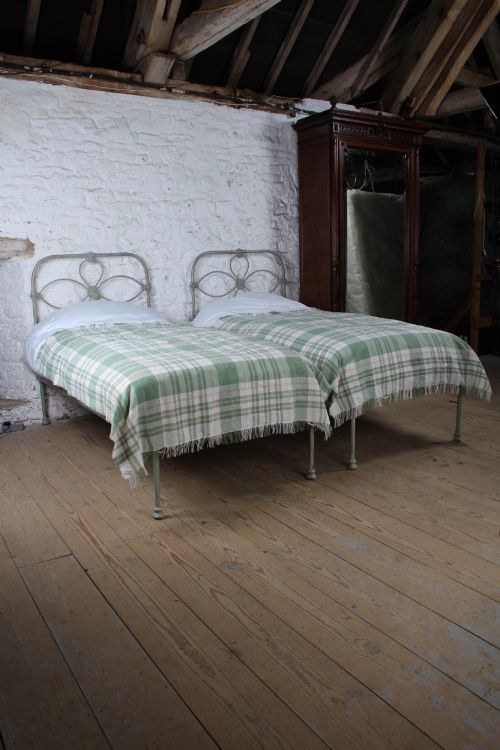
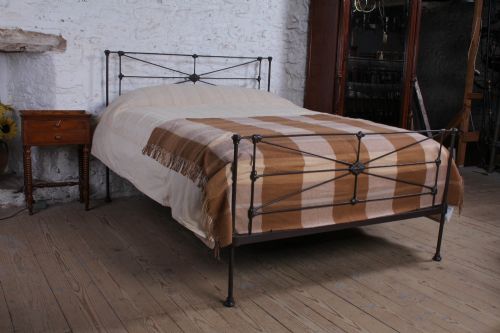
Stylistic variations range from Celtic and Victorian Art Nouveau designs to simpler forged iron forms. Black finishes and original japanned lacquer surfaces frequently appear across the available stock.
How They Were Made
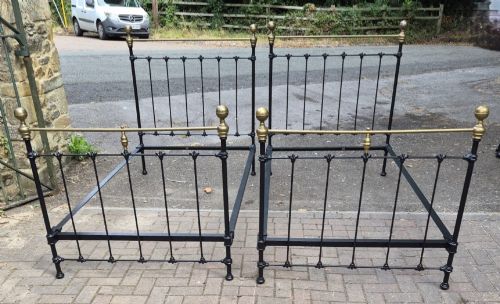
Construction relies heavily on forged iron, cast iron, and wrought iron components, often paired with brass elements for decorative contrast. Makers shaped the metal using traditional blacksmithing techniques to create both structural rigidity and ornamental flourishes.
Surfaces are finished with paint or original japanned lacquer, providing a protective coating that has endured for over a century. These finishes contribute the characteristic dark gloss seen on many Victorian examples.
Retail Price Guide 2026
Typical UK retail prices for wrought iron bed frame, calculated from the Sellingantiques database of over a million retail prices indexed since 2003. This retail price guide relies exclusively on Sellingantiques data; no external sources or auction records are used, so the figures do not describe the wider market.
Listings feature pieces spanning the Victorian period, 1890, and 1900, constructed from iron, cast iron, wrought iron, and brass.
What Varies in Quality
Quality in a wrought iron bed frame lies in the finesse of the metalwork and the integrity of the joints. Finer examples display intricate Art Nouveau or Celtic motifs hand-forged with precision.
The choice of secondary metals, such as polished brass accents, elevates the visual depth of the piece. Preserved original surfaces like japanned lacquer hold greater appeal than later repainted examples.
The Wrought Iron Bed Frame Glossary
- Wrought iron
- A tough, malleable form of iron containing silicate slag fibres, traditionally shaped by hammering. This material allows for slender, strong structural lines.
- Japanned lacquer
- A European imitation of Asian lacquerwork providing a hard, dark, glossy finish. It protects the iron beneath while offering a refined appearance.
- No end bed
- A bed frame lacking a high footboard, presenting a uniform or low profile at the base. This design enhances the feeling of space in a room.
- Art Nouveau
- A decorative style prevalent around 1900 characterised by flowing, organic lines inspired by natural forms. It appears on several iron bed designs.
Frequently Asked Questions
Are these beds standard modern sizes?
Many historical frames approximate modern dimensions like king size or double, but slight variations in nineteenth-century measurements can occur. It is wise to check exact internal dimensions before sourcing a mattress.
Adapting modern slats or bases may sometimes be necessary to support contemporary mattresses securely within antique frames.
How do I care for the metal finish?
Dusting gently with a dry microfibre cloth keeps the surfaces clean without risking the historic paint or lacquer. Avoid harsh chemical cleaners that might strip the original japanned coating.
Applying a light microcrystalline wax can help protect exposed iron surfaces from moisture in modern homes.
Can these frames be easily dismantled?
Most antique iron beds utilise wedge joints or iron bolts that allow the headboard, footboard, and side rails to separate completely. This modular construction makes transport and room placement much simpler.
Care should be taken when tightening historical fixings to avoid stressing the original metal threads.
How do I identify a Victorian period frame?
Victorian frames often display heavier cast iron components, distinct aesthetic movement styling, or characteristic brass ornamentation. The construction methods reflect nineteenth-century foundry work rather than twentieth-century mass production.
Documentation or stylistic markers such as Art Nouveau curves help narrow down the date towards 1890 or 1900.