





Woven Wool Runner
A woven wool runner brings warmth and distinct pattern to narrow spaces, drawing the eye along corridors with enduring craftsmanship.
Woven Wool Runner
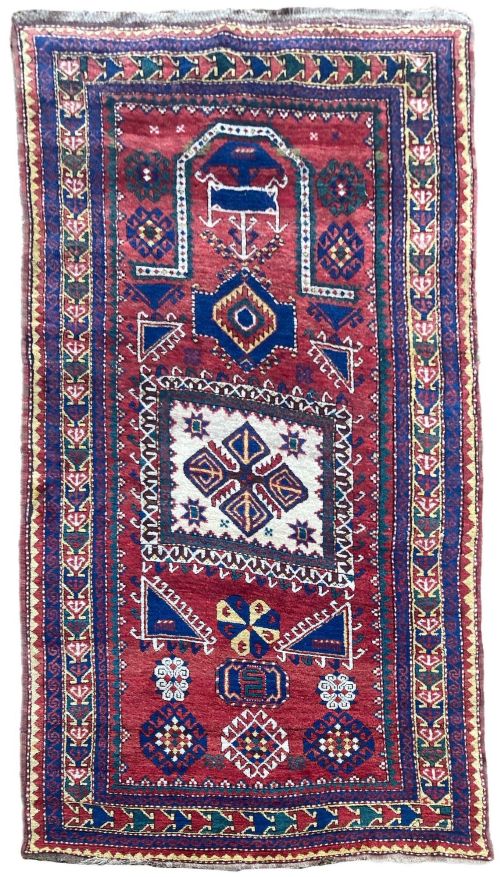
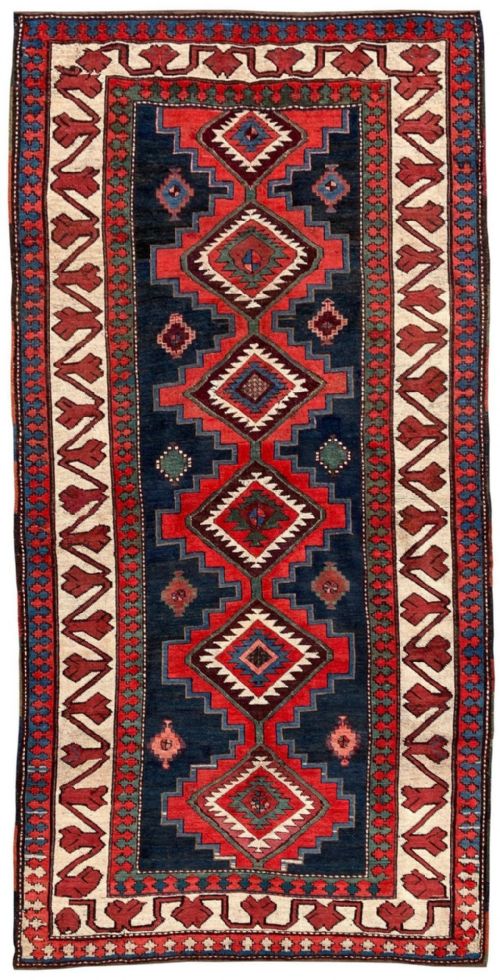
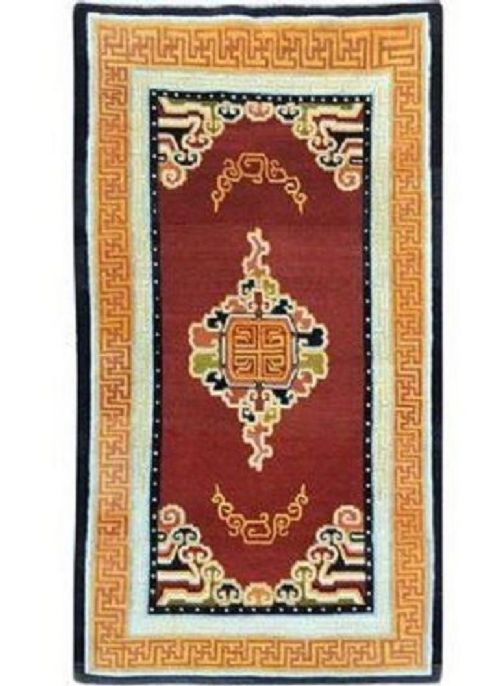
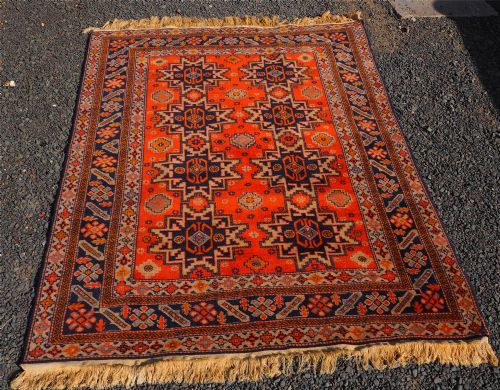
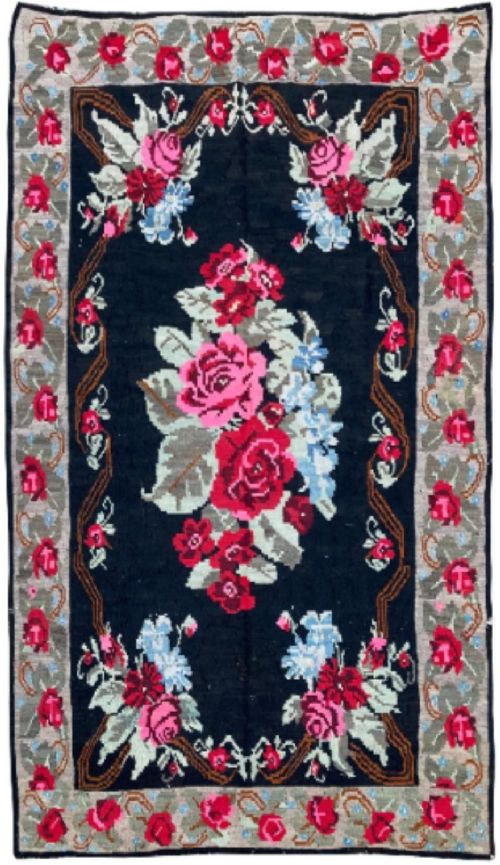
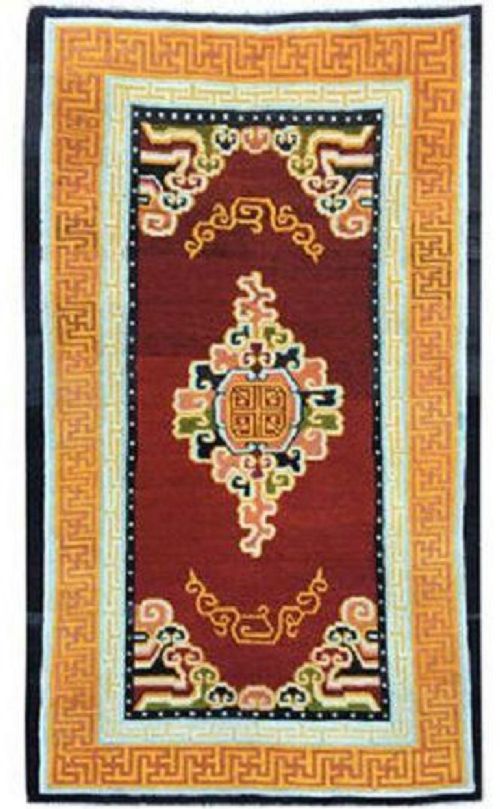
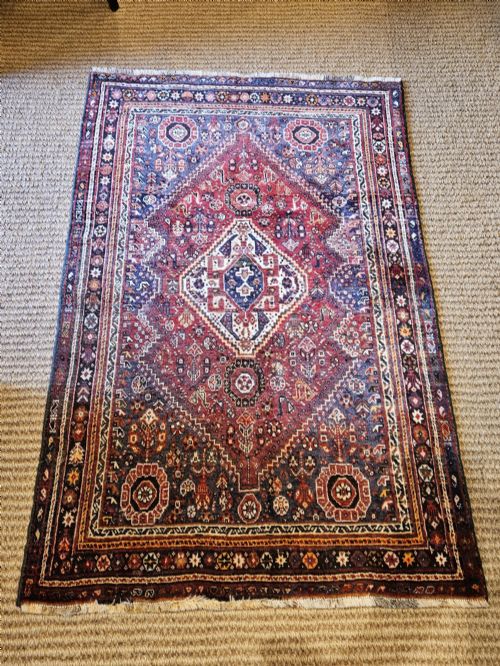
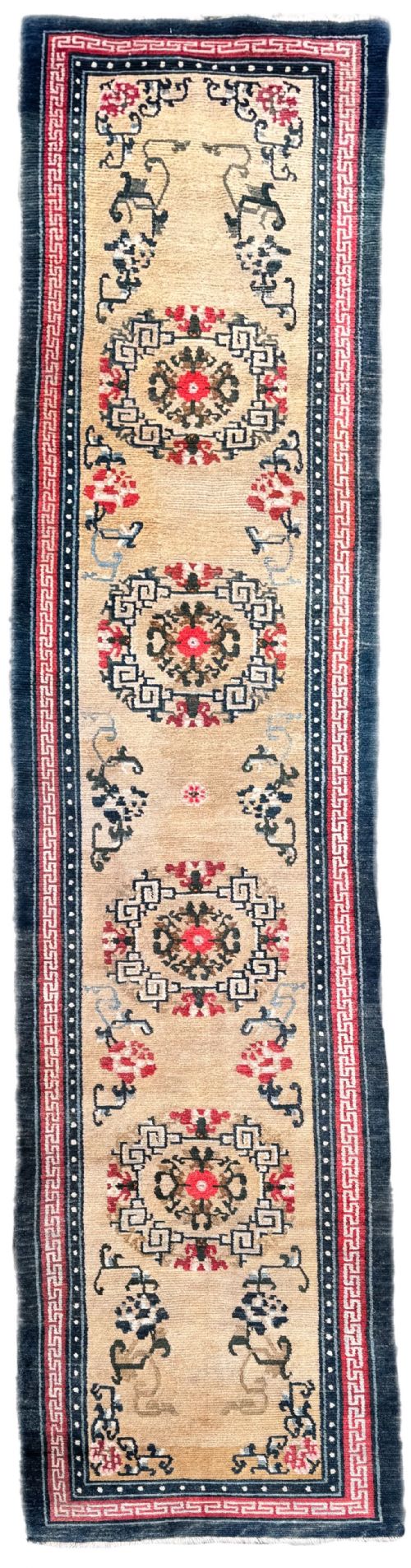
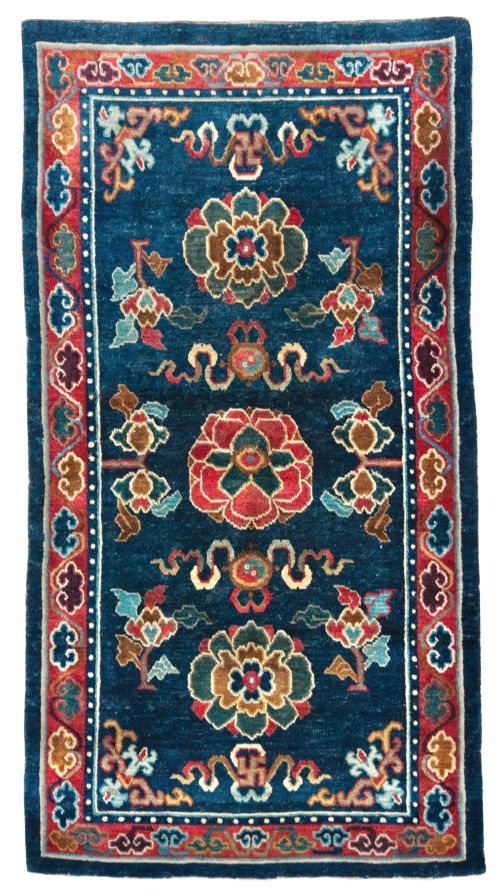
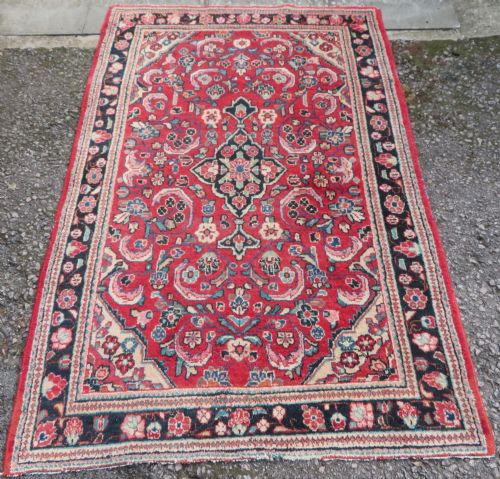
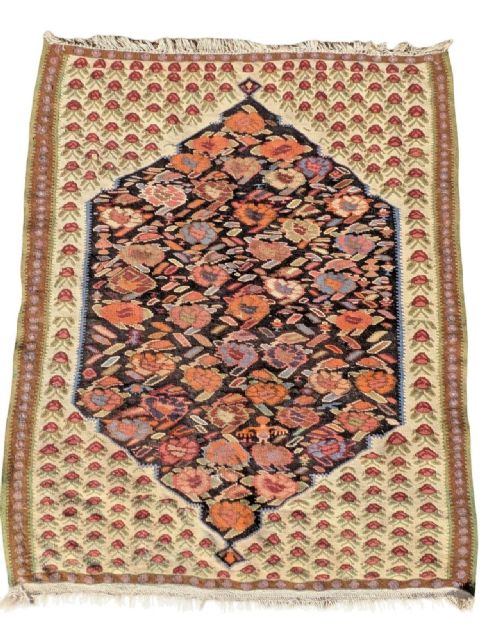
A woven wool runner is a long, narrow textile designed for hallways and passageways, originating primarily from Persian, Caucasian, Tibetan, and Turkish weaving traditions. These pieces span periods from the nineteenth century through the early twentieth century, reflecting traditional tribal and village artistry.
How they were made
These textiles utilise wool and cotton foundations combined with hand-spun wool and natural dyes to create durable, resilient floor coverings. Weavers knot or flat-weave the materials by hand, employing traditional techniques passed down through generations in regions such as the Caucasus and Persia.
The integration of natural dyes ensures that the colours age gracefully over decades, developing subtle patinas. Hand-spun wool provides the structural integrity necessary for pieces subjected to regular foot traffic in domestic interiors.
Woven Wool Runner Retail Price Guide 2026
Typical asking prices for woven wool runner among the pieces listed under this phrase on Sellingantiques today, from the lower quarter to the upper quarter. They describe what is for sale here now, not the wider market.
Listings feature pieces spanning the 1850s to the 1930s, utilising wool, cotton, and natural dyes across Persian and Caucasian tribal styles.
What varies in quality
Quality rests upon the fineness of the knotting or weave density and the stability of the natural dyes used in the wool. Tighter structures and resilient hand-spun materials distinguish superior examples from simpler utilitarian pieces.
The integrity of the borders and the precision of the tribal motifs further separate the finest runners from standard workshop or village production. Well-preserved edges and balanced proportions indicate superior maker skill and material selection.
The Woven Wool Runner Glossary
- Runner
- A long, narrow carpet specifically suited for hallways, stairs, and corridors. These pieces visually elongate narrow architectural spaces while protecting wooden floors.
- Kilim
- A flat-woven carpet or rug produced without a pile by tightly interlacing warp and weft threads. This technique creates a lightweight textile with crisp geometric designs visible from both sides.
- Natural Dyes
- Colourants derived from plant, insect, and mineral sources rather than synthetic chemicals. These dyes yield rich, complex tones that mellow harmoniously over time.
- Hand-Spun Wool
- Sheep's fleece processed into yarn by hand using a spindle rather than industrial machinery. This method retains natural lanolin and produces slight variations in thickness that give the textile character.
- Prayer Rug
- A small carpet featuring a mihrab or arch design used traditionally for daily devotions. The niche motif points toward Mecca during ritual use.
Woven Wool Runner: Frequently Asked Questions
Where should I place a woven wool runner?
These pieces suit narrow corridors, hallways, and entranceways where linear textiles soften hard flooring.
They also function well alongside kitchen islands or beside beds to add warmth underfoot.
How do I clean an antique wool runner?
Gentle vacuuming without a rotating brush attachment removes loose surface dirt effectively.
Professional specialist cleaning is recommended for deeper maintenance to protect natural dyes.
Are these runners durable for heavy traffic?
Traditional hand-knotted wool construction provides high natural resilience and strength.
Using a quality underlay helps absorb impact and prevents slipping in busy corridors.
How do I identify the regional origin?
Design motifs, border structures, and colour palettes often point to specific weaving traditions like Caucasian or Persian.
Knotting techniques and material preparation offer further clues to geographic provenance.