



Crimson Flatweave Rug
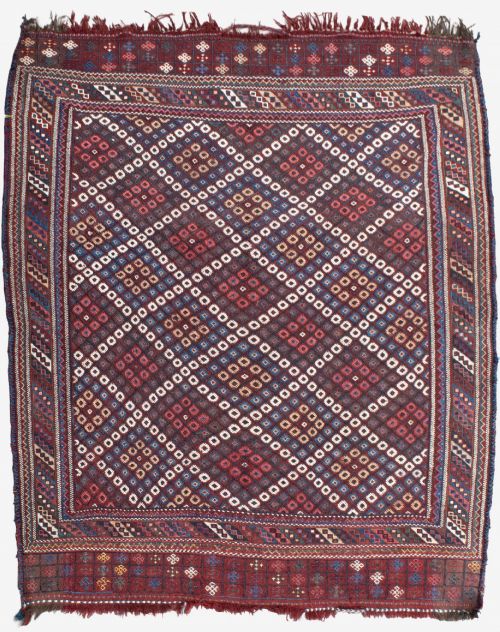
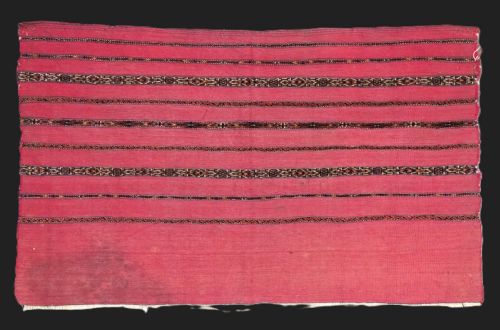
A crimson flatweave rug brings warmth and rich textile history to a floor, offering durable wool and cotton construction in tribal designs.
Crimson Flatweave Rug
Materials and Technique
These textiles are constructed primarily from wool and cotton, utilised in flatweave techniques where weft threads are tightly beaten against the warp. This method creates a firm, reversible textile without the pile found in knotted carpets.
Weavers employed natural dyes to achieve deep crimson and red tones, patterning the surfaces with geometric motifs, floral elements, and traditional tribal designs.
Crimson Flatweave Rug Retail Price Guide 2026
Typical asking prices for crimson flatweave rug among the pieces listed under this phrase on Sellingantiques today, from the lower quarter to the upper quarter. They describe what is for sale here now, not the wider market.
Styles represented include Persian Tribal, Turkmen Tribal, Bessarabian, and Balkan Traditional.
Assessing Quality
Quality in these flatweaves is determined by the tightness of the weave, the precision of the geometric or floral design, and the integrity of the structure. Finer weaves demonstrate greater skill and tighter tension during the production process.
The condition of the wool, the retention of original dimensions, and the complexity of regional patterns distinguish standard examples from finer tribal works.
The Crimson Flatweave Rug Glossary
- Flatweave
- A textile produced without a pile by interweaving warp and weft threads directly. This technique creates a flat and durable surface.
- Kilim
- A pileless woven rug or textile originating from regions including the Balkans, Anatolia, and the Caucasus. These pieces often feature bold geometric patterns.
- Chuval
- A large face or storage bag front produced by Turkmen tribes, frequently repurposed or collected for its detailed weaving.
- Sofreh
- A woven spread used traditionally for dining or processing dough, often featuring distinctive tribal iconography.
- Warp
- The stationary vertical threads stretched on a loom before the weaving begins. The weft threads pass through these foundation cords.
Crimson Flatweave Rug: Frequently Asked Questions
What is a flatweave rug?
A flatവയweave rug is constructed without a raised pile by tightly interweaving the horizontal weft threads across the vertical warp. This method produces a durable, lightweight textile that lies flat on the floor.
These pieces are distinct from knotted carpets, offering crisp geometric lines and traditional patterns that reflect the heritage of their makers.
How do I care for an antique rug?
Antique flatweaves require gentle maintenance, including regular light vacuuming without a rotating brush to protect the wool fibres. Professional cleaning suited for vintage textiles helps preserve the dyes and structural integrity.
Positioning the textile away from direct sunlight prevents fading of the deep crimson and red tones over time.
Where were these textiles made?
The pieces originate from diverse regions, including Persia, Anatolia, and the Balkans, reflecting distinct tribal traditions. Each area developed specific motifs and colour palettes tied to local weaving communities.
Nomadic and village groups produced these items for domestic utility, ceremonial use, or trade.
Are these rugs reversible?
Most flatweave rugs display a similar pattern on both sides because the weft threads are woven completely through the structure. This reversibility allows the rug to be turned periodically to distribute wear evenly.
However, finishing details on the edges or backing may indicate a preferred upper face.