



Woven Wool Cushion
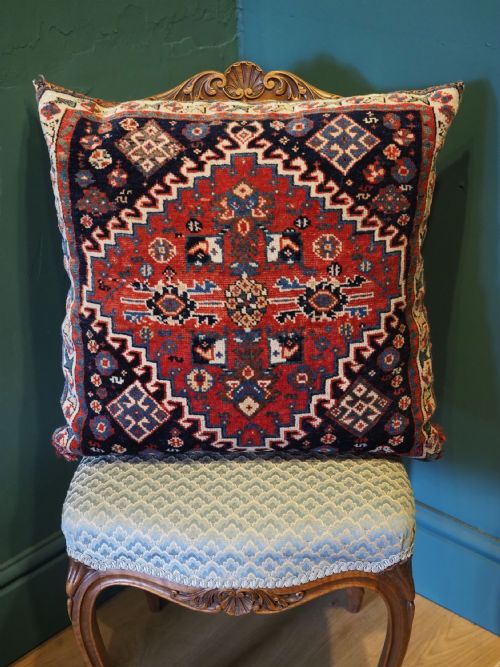
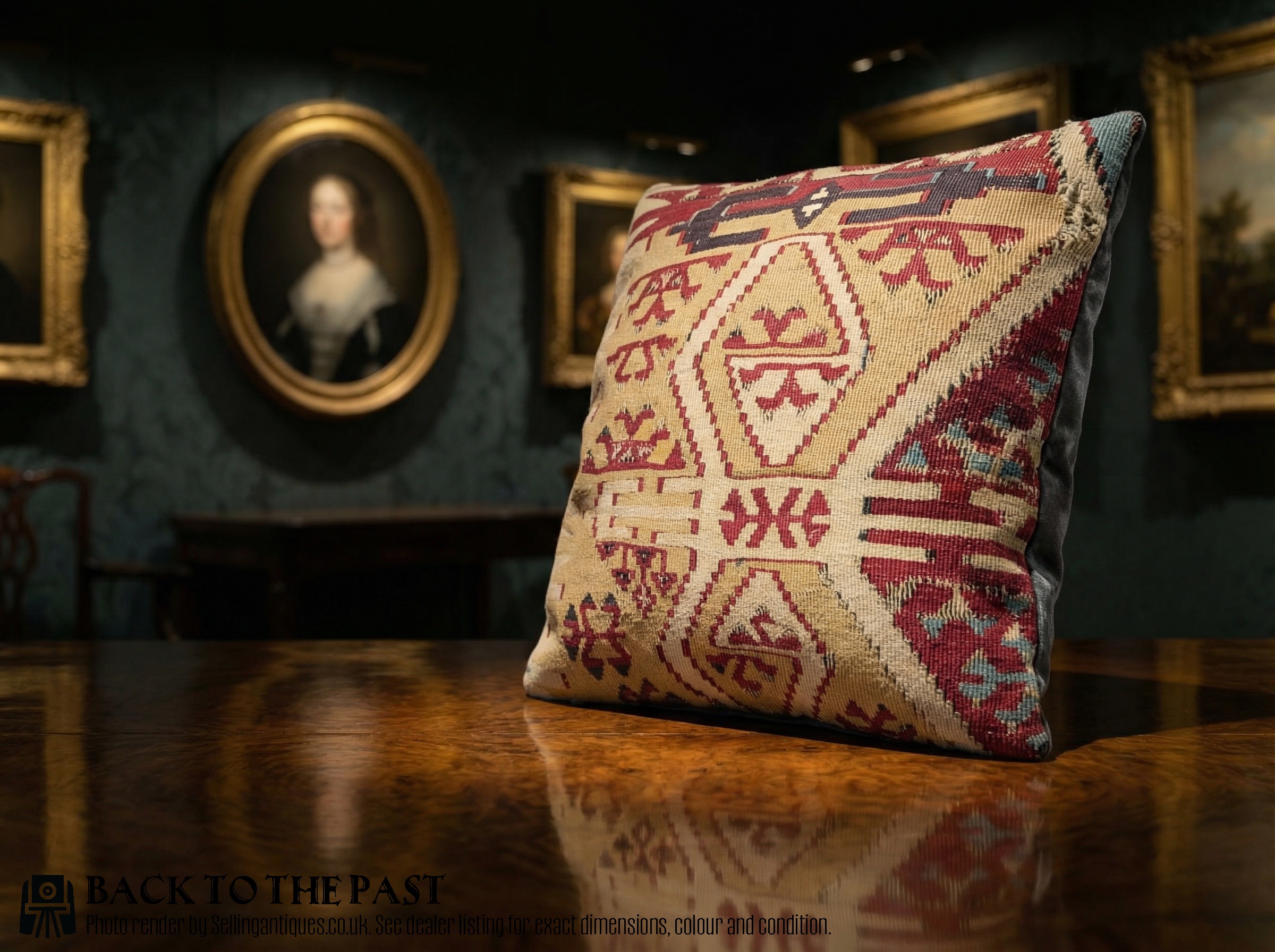
A woven wool cushion brings tactile tribal character into a room through repurposed antique bagfaces and flatweaves.
Woven Wool Cushion
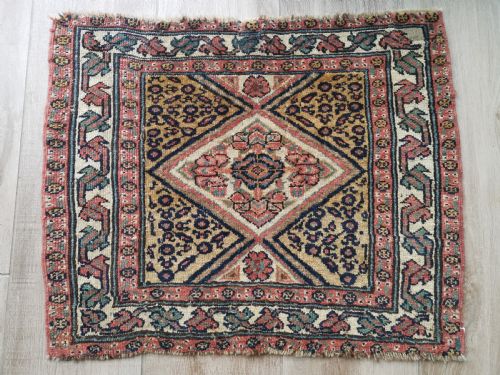
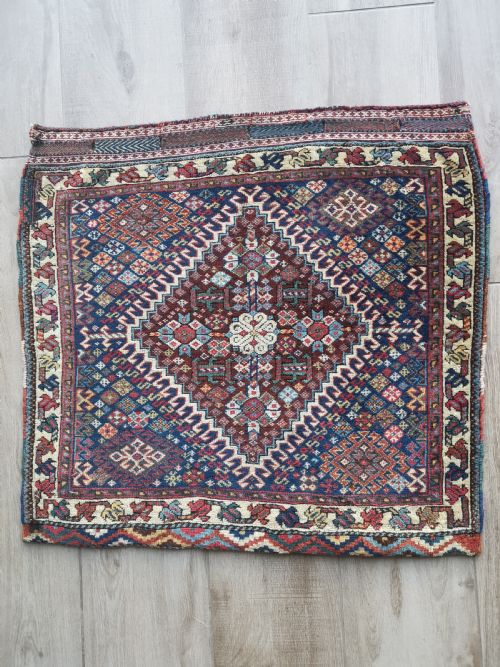
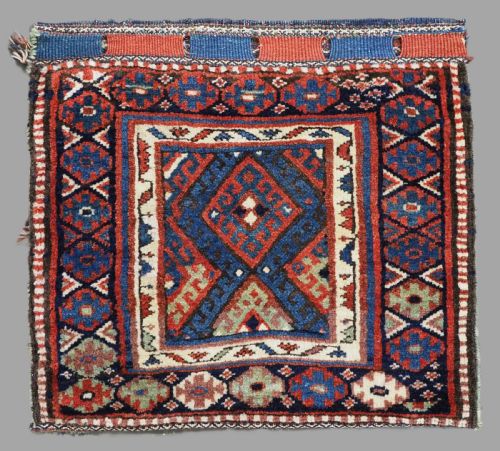
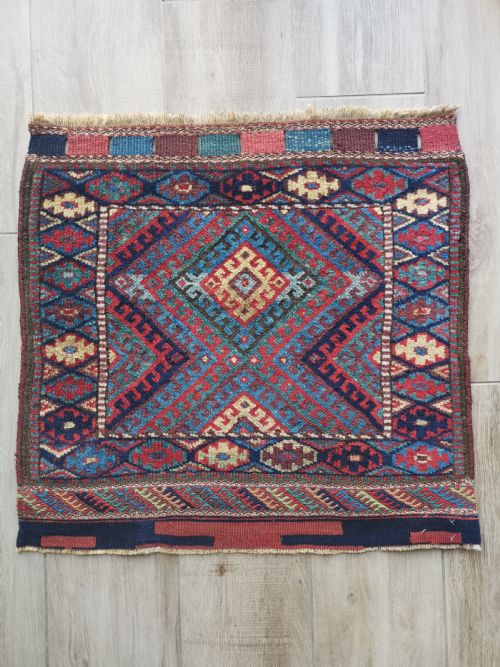
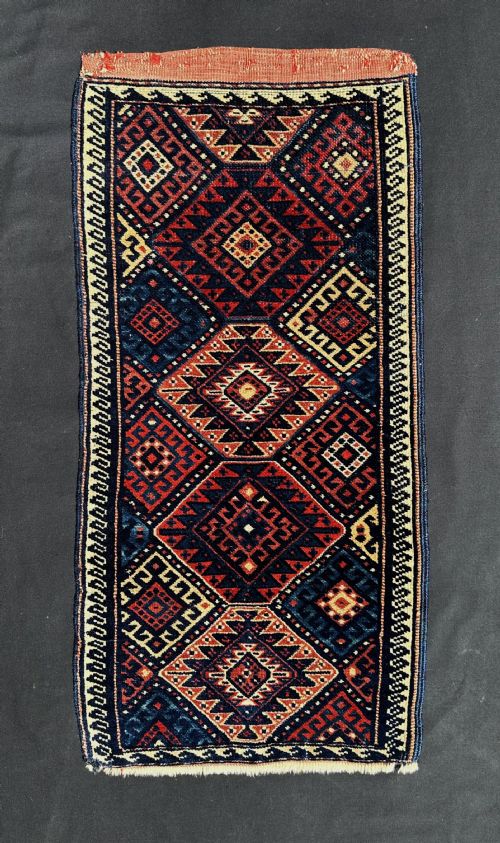
A woven wool cushion on this page typically originates from repurposed tribal bagfaces, saddlebags, and storage sacks produced across Persia, Anatolia, and Central Asia. These items transform utilitarian nomadic weaving into functional home decor while preserving traditional structures.
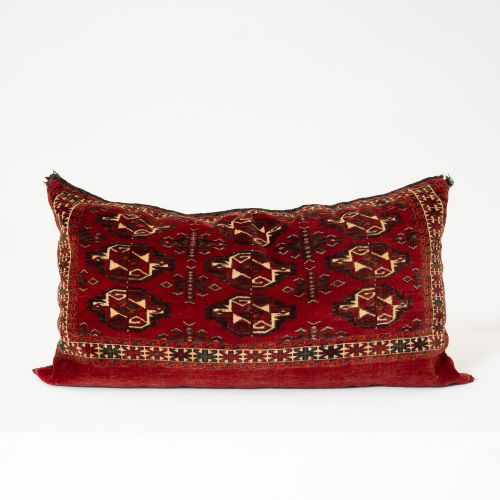
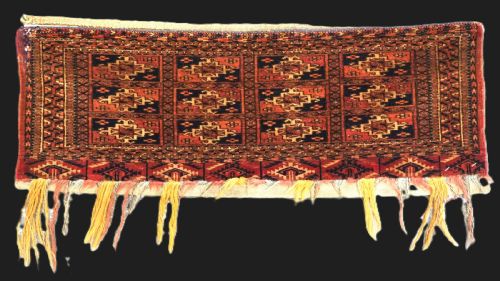
The selection ranges from nineteenth-century Turkmen chuvals and torbas to Persian Qashqai and Baluch bagfaces, alongside Flemish tapestry fragments and kilim cushions. Buyers encounter varied regional aesthetics, from geometric tribal motifs to botanical elements originating from diverse tribal groups.

How they were made
Makers utilised hand-spun wool combined with cotton, silk, linen, and goat hair, dyed with natural colorants to create durable textiles. Artisans constructed these pieces using flatweave techniques, pile knots, and tapestry weaving.
Nomadic weavers integrated structural supports such as plain weave backs, tassels, and sturdy foundations designed for daily utility in tribal environments. These construction methods ensure the survival of fragment textiles into the modern era.
The listings span periods from the seventeenth century through the early twentieth century, incorporating wool, cotton, silk, and natural dyes.
What varies in quality
Quality rests upon the fineness of the knotting or weave density, the clarity of tribal design motifs, and the depth of natural dye palettes. Superior examples maintain structural integrity and retain original backs, tassels, or complete formats.
Condition and historical authenticity separate exemplary pieces from simpler utilitarian fragments, with well-preserved tribal bagfaces exhibiting greater chromatic richness and structural preservation.
The Woven Wool Cushion Glossary
- Bagface
- The decorated front panel of a nomadic storage bag or saddlebag, frequently repurposed into a cushion. These panels display the primary tribal designs and weaving skill of the maker.
- Chuval
- A large tent storage bag produced by Turkmen tribes, often featuring multiple guls or medallions. Surviving fragments of these bags are frequently converted into cushions.
- Gul
- A repeating medallion or floral-like motif used in tribal rug and textile design, particularly associated with Turkmen weaving traditions. Each tribal group utilises distinct variations.
- Soumac
- A wrapping technique used in flatwoven rugs and bags that creates a durable structure resembling embroidery on the reverse. This technique adds texture and strength to nomadic items.
- Yastic
- A small Turkish pillow or cushion cover traditionally used for sitting or leaning against on low room platforms. They typically feature regional Anatolian motifs.
Woven Wool Cushion: Frequently Asked Questions
Are these cushions made from authentic antique textiles?
The inventory comprises antique elements sourced from nineteenth-century and early twentieth-century nomadic items, including saddlebags and tapestry fragments.
These historic textiles are repurposed into cushions while retaining their original hand-spun wool and natural dye characteristics.
How do I care for a historic wool cushion?
Gentle vacuuming with a low suction setting helps remove surface dust without disturbing the wool fibres or flatweave structure.
Professional specialist cleaning is recommended for antique textiles to protect natural dyes and delicate materials.
What is the difference between a torba and a chuval?
A chuval is a large tent storage bag traditionally used by Turkmen tribes for bedding and heavy belongings.
A torba is a smaller horizontal storage bag utilised for personal items and smaller household goods within the dwelling.
Can I identify which tribe made a cushion?
Regional motifs, colour palettes, and structural techniques often point toward specific groups such as the Qashqai, Yomut, Tekke, or Baluch.
Design markers like guls and border patterns help attribute pieces to particular geographic areas in Persia and Central Asia.