







Kilim Scatter Cushion
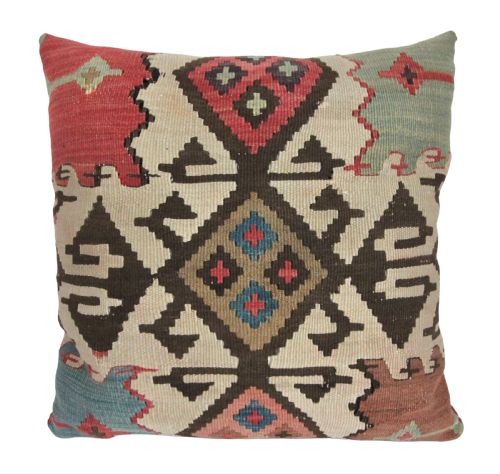
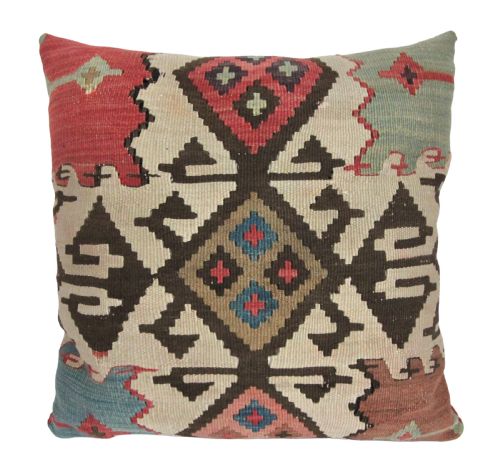
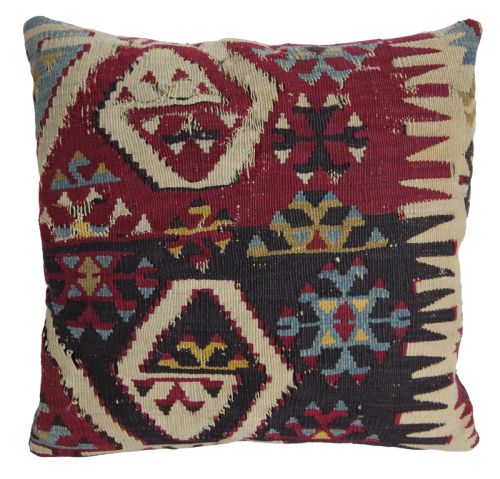
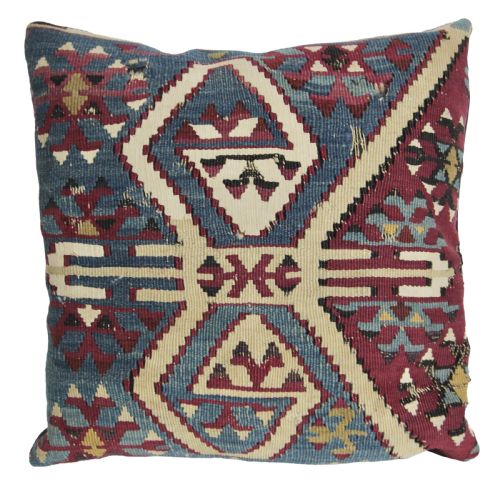
These kilim scatter cushion examples bring rich texture and tribal pattern directly to a seating arrangement.

Kilim Scatter Cushion
A kilim scatter cushion brings authentic textile history into a modern interior through flat-woven wool and cotton structures. When you search for kilim scatter cushion options, you encounter pieces that repurpose historic tribal flatweaves into functional soft furnishings.
The selection here draws from the nineteenth century up to nineteen twenty, incorporating traditional Anatolian designs and nomadic tribal motifs. You meet vintage carpet cushions alongside pieces fashioned from antique bag faces.
Cushions and throw cushions in this category range from smaller formats to large hand-woven bag face examples. Each item displays the distinct flat-weave construction characteristic of tribal weaving traditions.
How They Were Made
These textiles rely on traditional hand-woven techniques utilising wool and cotton fibres. Weavers interlocked the weft threads tightly over the warp to create durable flat-woven surfaces without a pile.
Maker communities sourced natural materials and employed tribal dyeing methods to achieve deep, lasting colours across Anatolian traditional patterns. The resulting fabric was subsequently tailored into cushion forms.
Kilim Scatter Cushion Retail Price Guide 2026
Typical asking prices for kilim scatter cushion among the pieces listed under this phrase on Sellingantiques today, from the lower quarter to the upper quarter. They describe what is for sale here now, not the wider market.
Nomadic weavers occasionally embedded intentional minor irregularities in their patterns to ward off the evil eye.
What Varies in Quality
Quality rests upon the fineness of the original flat-weave and the integrity of the wool. Tighter weaving and crisper geometric patterns distinguish superior examples from simpler work.
Condition and the preservation of the original tribal motifs dictate the standing of each piece. Skilled conversion from historic fragments into scatter cushions also preserves the character of the textile.
The Kilim Scatter Cushion Glossary
- Kilim
- A flat-woven carpet or rug produced in countries of the former Ottoman Empire, Persia and Central Asia. These textiles form the outer face of the cushions.
- Bag Face
- The decorated front panel of a nomadic storage bag, often repurposed into a smaller cushion. Collectors prize these for their concentrated tribal designs.
- Anatolian Tribal
- Pertaining to nomadic or village weaving traditions originating from the region of Anatolia. These styles utilise geometric motifs passed down through generations.
- Flat-Woven
- A textile construction method created by interweaving warp and weft threads without forming a piled surface. This technique produces a sturdy, thin fabric.
Kilim Scatter Cushion: Frequently Asked Questions
How do I clean an antique kilim cushion?
Surface dust should be gently removed using low suction through a mesh screen. Professional textile cleaning is recommended for deeper maintenance.
Water washing can destabilise historic wool fibres and natural dyes. Prevent prolonged direct sunlight exposure to protect the colours.
Are these cushions made from old carpets?
Many examples utilise genuine vintage and antique flat-weaves repurposed into scatter cushions. Historic rugs and bag faces provide durable wool textiles for modern interiors.
This practice gives historical fragments a functional second life. The materials date from the nineteenth century into the early twentieth century.
What is an Anatolian tribal design?
Anatolian tribal patterns reflect the cultural heritage of nomadic weavers from the region. These designs typically feature geometric motifs, medallions and symbolic borders.
Each tribal group utilised distinct colour palettes and weaving signatures. Such patterns provide visual depth to contemporary seating arrangements.
How do I date a kilim cushion?
Dating relies on assessing the wool quality, natural dye characteristics and the age of the underlying textile fragment. Pieces in this category span the nineteenth century and the early twentieth century.
Structural wear and the specific tribal weaving style offer further clues to age. Expert examination of the flat-weave technique confirms the historical period.