




Oriental Cushion Cover
An oriental cushion cover brings authentic nomadic weaving into a modern room, offering durable wool textiles repurposed from nineteenth-century bags and kilims.
Oriental Cushion Cover
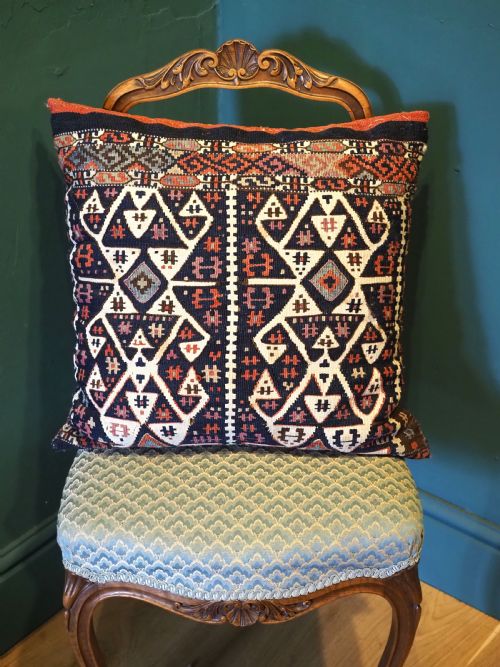
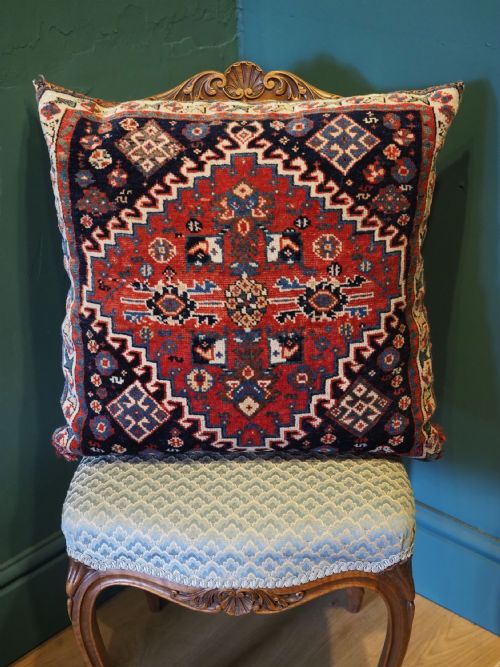
An oriental cushion cover repurposes historic tribal weaving into functional home furnishings. The pieces available here typically originate from the nineteenth and early twentieth centuries, drawing on traditions of nomadic and village weavers.
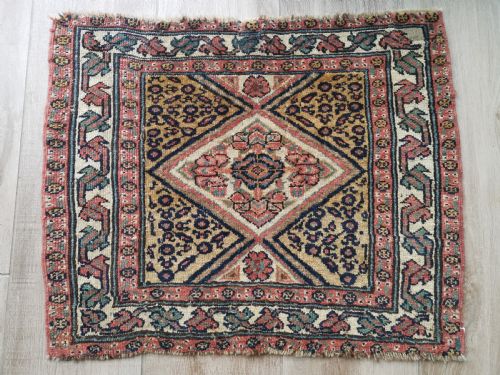
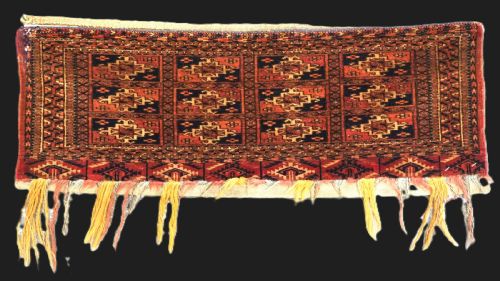
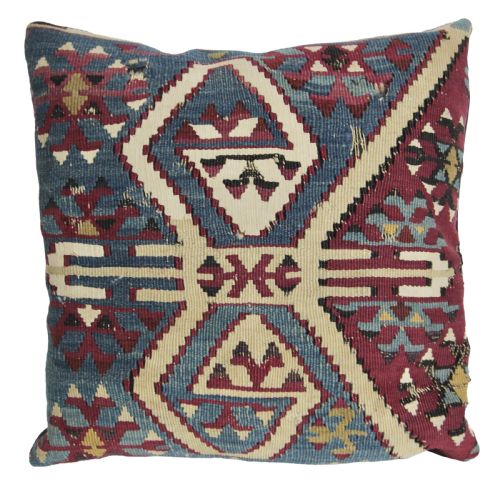
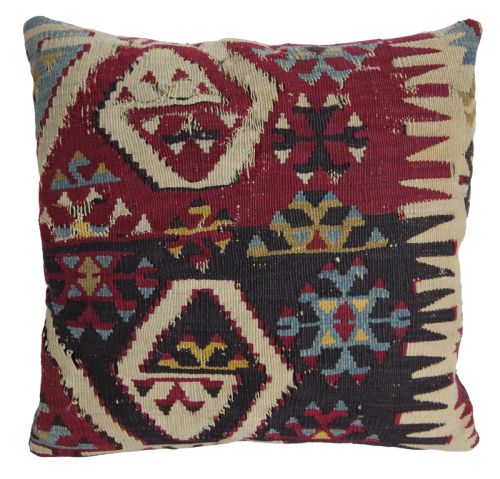
Most items stem from older utilitarian objects such as saddle bags, storage sacks, and rug fragments. Makers adapt these sturdy panels into cushions, preserving traditional motifs while creating comfortable domestic items.
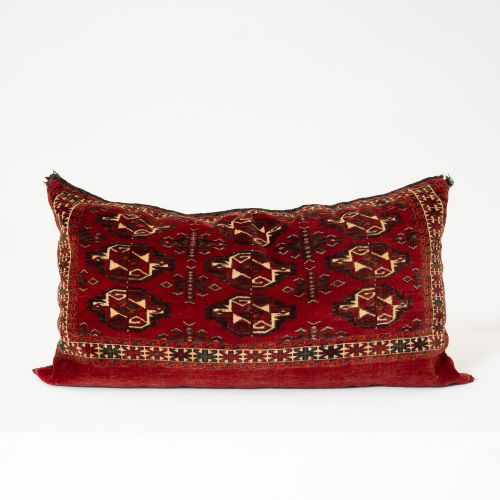
The selection reflects various tribal origins, including Turkmen, Qashqai, Baluch, Shahsevan, and Kurdish groups. Each regional style brings distinct geometric patterns and colour palettes to the finished cushion.
Evaluating the Weaving
Quality rests on the tightness of the weave and the precision of the tribal motifs. Tighter knotting and finer wool preparation indicate higher competence in the original workshop.
The integrity of the surviving textile dictates the success of the conversion into a cushion. Well-preserved bag faces with complete borders and stable wool retain greater historical character.
Styles include Anatolian Tribal, Persian Tribal, Turkmen, and Central Asian Nomadic traditions.
The Oriental Cushion Cover Glossary
- Kilim
- A flatwoven textile produced without a pile. These pieces offer a smooth, durable surface often utilised for cushions.
- Torba
- A small Turkmen storage bag traditionally hung inside a tent. Surviving faces from these bags form many of the decorative cushions found today.
- Soumak
- A brocade-like flatweaving technique that wraps supplementary weft threads around the warp. This method creates a textured surface with distinct geometric clarity.
- Bag face
- The decorative front panel of a nomadic storage bag or saddlebag. These panels survive because their intricate patterns made them worth preserving.
- Natural dyes
- Colourants derived from plants, insects, and minerals before the advent of synthetic alternatives. They yield harmonious tones that age gracefully over decades.
Oriental Cushion Cover: Frequently Asked Questions
How do I care for an antique cushion cover?
Vacuum gently on a low setting without a beater bar to remove surface dust. Professional specialist cleaning is recommended if washing becomes necessary.
Keep the cushion out of direct sunlight to prevent natural dyes from fading over time.
What periods do these covers come from?
The pieces span the mid-nineteenth century through to the early twentieth century. Most examples date from the 1850s to the 1920s.
Dates correspond to the age of the original tribal textile rather than the date of its conversion into a cushion.
Are these made from real antique rugs?
Yes, the covers are constructed from authentic nineteenth-century tribal weaving fragments, saddle bags, and storage sacks. Artisans repurpose these historic pieces to give worn textiles a new functional life.
Original flatweave backs and pile sections are retained wherever possible during the making process.
How do I identify different tribal designs?
Designs depend on the nomadic group that made the original textile, such as Turkmen guls or Shahsevan bird motifs. Each region utilised specific geometric symbols and colour combinations.
Studying the structure and palette helps attribute the piece to groups like the Qashqai, Baluch, or Afshar.