









Traditional Tribal Cushion
These traditional tribal cushion pieces bring enduring nomadic textile art into daily living spaces through authentic woven structures.

Traditional Tribal Cushion
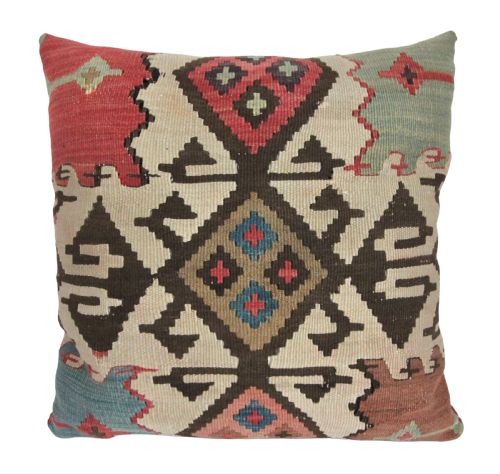
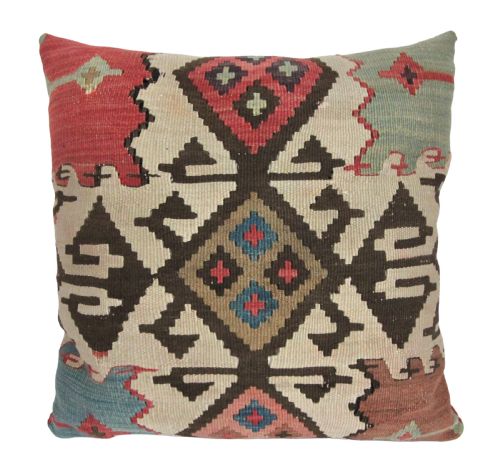
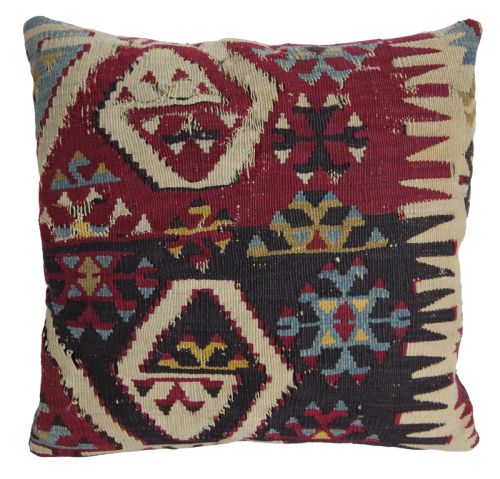
When searching for a traditional tribal cushion, buyers encounter hand-woven textiles originating from nineteenth and early twentieth century nomadic and village traditions. The selection centres heavily upon repurposed antique kilim cushions and transformed bag faces.
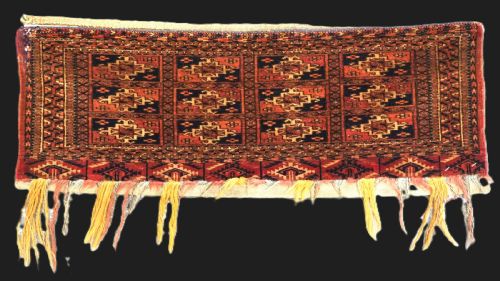
Pieces frequently derive from Persian, Anatolian, and Central Asian nomadic groups, incorporating historical formats such as torba and mafrash bag fronts. These items translate functional tribal weavings into decorative soft furnishings suitable for contemporary interiors.
The assortment spans diverse tribal identities including Qashqai, Tekke Turkmen, Yomut, Baluch, and Bakhtiari groups. Each format preserves authentic regional weaving characteristics produced across Persia, Anatolian regions, and Central Asia.
How they were made
Makers utilised hand-spun wool and cotton foundations, manipulated through flat-weave kilim techniques or pile-woven structures. These textile traditions relied upon durable natural fibres suited to nomadic daily requirements.
Dye execution depended entirely upon natural dyes, yielding deep colour variations across wool and cotton yarns. Hand-weaving processes produced dense, resilient fabric surfaces designed for generations of hard utility.
Traditional Tribal Cushion Retail Price Guide 2026
Typical asking prices for traditional tribal cushion among the pieces listed under this phrase on Sellingantiques today, from the lower quarter to the upper quarter. They describe what is for sale here now, not the wider market.
Listings span periods from 1850 through the early 20th century, focusing on wool and cotton materials dyed with natural sources.
What varies in quality
Quality differentiates through the tightness of the weave, the clarity of tribal motifs, and the integrity of the natural dye palette. Superior examples demonstrate exceptional control over wool preparation and knot or weave density.
The preservation state of the original bag face or kilim fragment dictates the desirability of the piece. Finer items retain crisp geometric structures and balanced proportions inherited from their nineteenth or early twentieth century origins.
The Traditional Tribal Cushion Glossary
- Kilim
- A flat-woven textile produced without pile, forming the face of numerous traditional cushions in this selection. These pieces rely on interlocking warp and weft threads to create sharp geometric patterns.
- Bag face
- The decorative front panel of a nomadic utility bag, frequently salvaged and converted into a cushion. These panels preserve the primary artistic output of tribal weavers.
- Torba
- A small storage bag produced by Turkmen and other nomadic groups, featuring characteristic regional iconography. Surviving fragments often transition into decorative cushions.
- Natural dye
- Colouring agents derived from plants, insects, and minerals before the introduction of synthetic alternatives. These dyes age with a characteristic patina across wool and cotton.
- Nomadic weaving
- Textile production executed by pastoral groups using portable vertical or horizontal looms. The resulting pieces reflect traditional tribal designs passed across generations.
Traditional Tribal Cushion: Frequently Asked Questions
How do I clean a traditional tribal cushion?
Maintain these antique wool and cotton textiles through gentle surface vacuuming with appropriate attachments. Professional specialist cleaning remains necessary for deeper maintenance to protect natural dye stability.
Avoid immersion washing or harsh chemical treatments that damage historical fibres. Regular rotation helps distribute wear evenly across the textile surface.
Are these cushions made from authentic antique rugs?
The selection includes genuine nineteenth and early twentieth century kilims, saddle bags, and bag faces repurposed into cushions. These textiles originate from Persian, Anatolian, and Central Asian tribal traditions.
Each cushion retains the original hand-woven wool and cotton structures created by nomadic makers. This conversion preserves historic weaving traditions for contemporary domestic use.
How do I style a tribal cushion at home?
Pair these textured wool pieces with neutral leather or linen upholstery to highlight their intricate geometric patterns. Mixing various regional styles from Persian and Anatolian traditions creates visual depth.
Allow the historical textile to serve as a focal point within seating arrangements. Their rich natural dye colours complement both rustic and minimalist interior schemes.
What is the difference between a torba and a kilim cushion?
A kilim cushion utilises flat-woven textile fragments produced without pile across various nomadic regions. These feature distinct slit-weave geometric designs.
A torba represents a specific storage bag format created by Turkmen groups, often incorporating specific gul motifs. Both forms offer durable wool construction adapted for modern soft furnishings.