
Woven Tribal Wall Hanging
When you search for a woven tribal wall hanging, you encounter rich nomadic textiles carrying the genuine history of Persian, Turkmen, and Afghan tribes.
Woven Tribal Wall Hanging
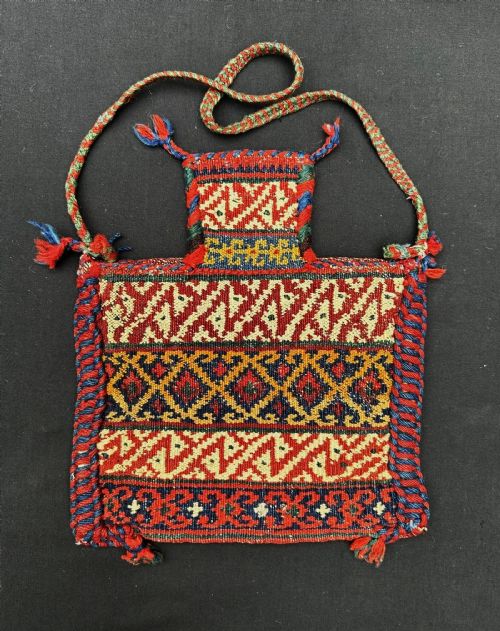
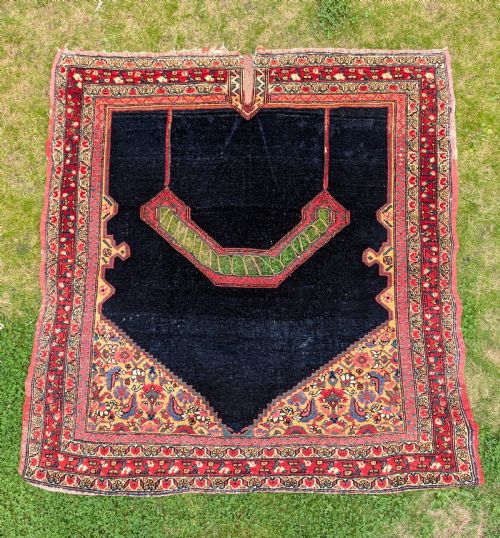
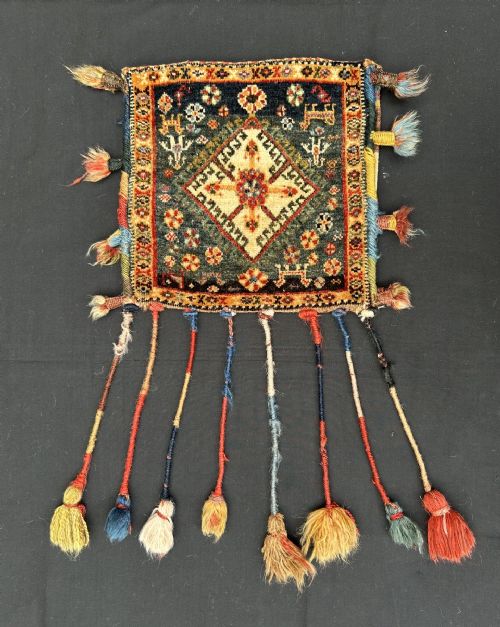
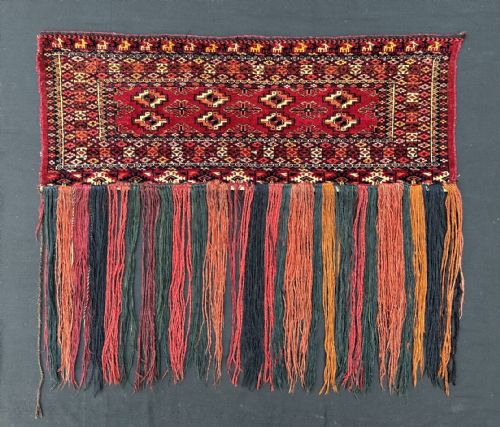
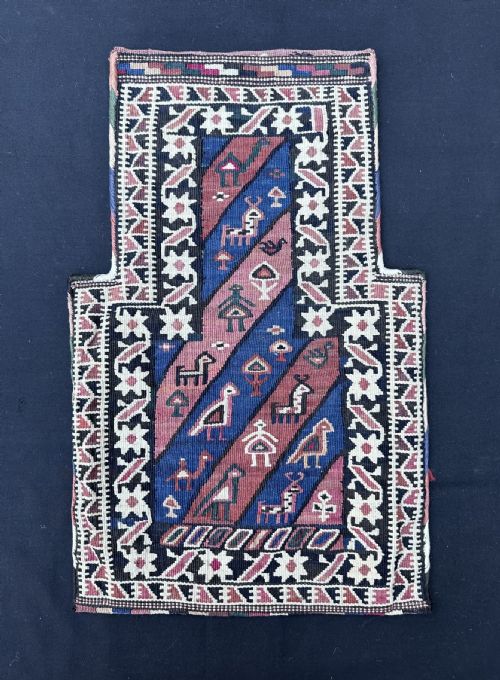
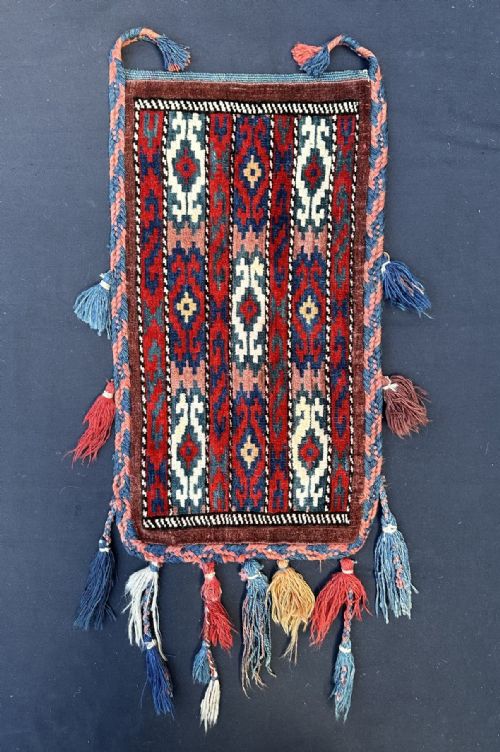
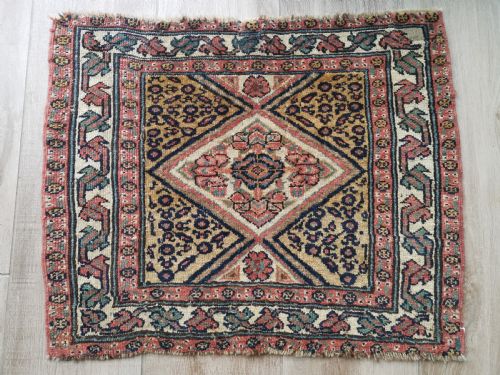
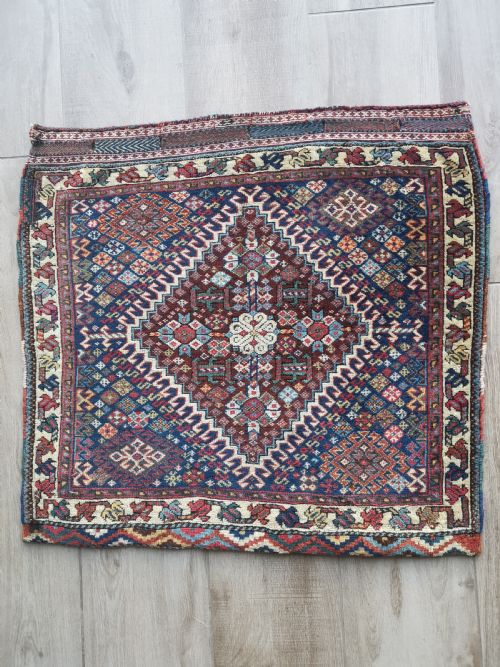
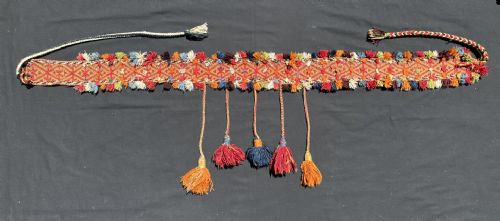
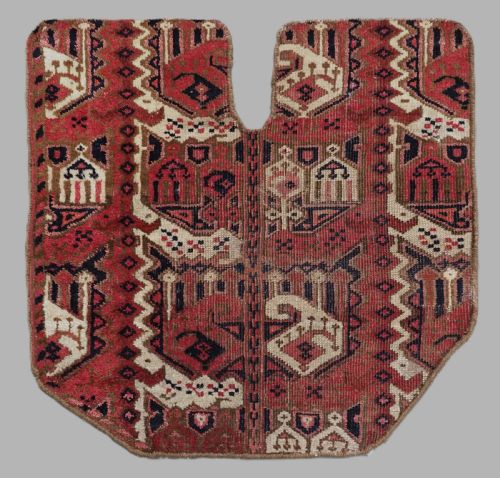
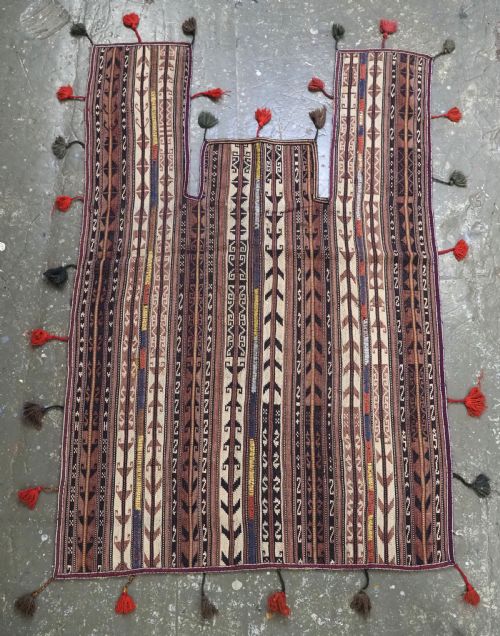
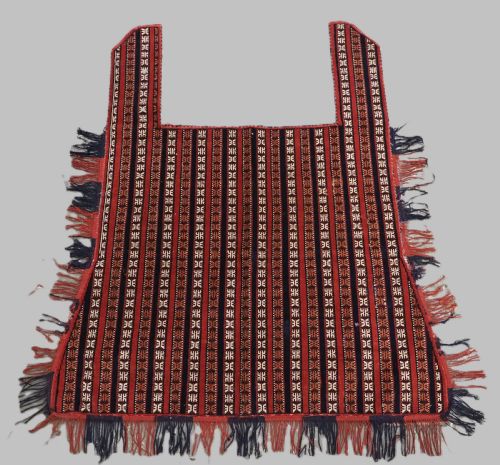
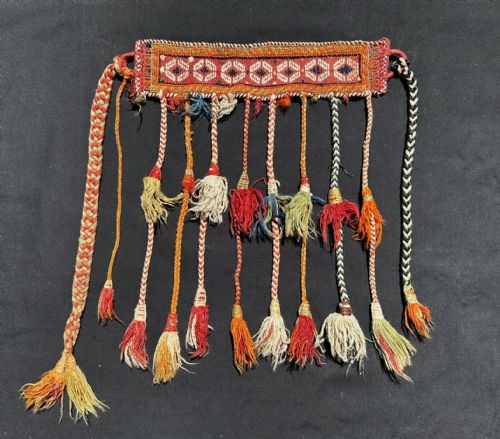
A woven tribal wall hanging encompasses practical objects created by nomadic and village weavers across Persia, Central Asia, and Afghanistan during the nineteenth and early twentieth centuries. These textile art pieces predominantly originate as functional items such as storage bags, saddle covers, grain bags, and animal trappings rather than items made strictly for display. Collectors encountering these works on this page engage with genuine tribal artefacts produced by groups including the Qashqa'i, Yomut, Tekke, and Baluch peoples.
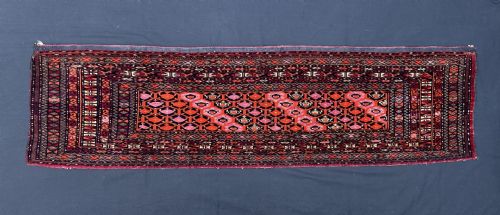
The regional variety is substantial, ranging from the geometric precision of Turkmen tent hangings to the expressive iconography of southern Persian bagfaces. Common functional forms include the torba, the jollar, and the smaller chanteh, each serving specific domestic or nomadic transport needs before finding a second life as decorative wall art. Dating spans from the mid-nineteenth century through the 1920s, capturing a period when traditional vegetable dyeing and hand-spinning methods remained standard practice among tribal weavers.
Materials and construction methods
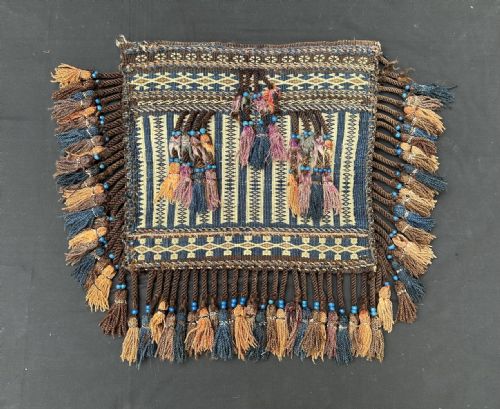
The foundational structure relies heavily on hand-spun wool for both the warp and weft threads, providing a resilient base that retains its structural integrity over generations. Weavers utilised natural dyes derived from plants and minerals, resulting in rich, organic colour palettes that mellow gracefully with age. Additional textural elements such as glass beads, cowrie shells, and leather attachments frequently appear on specific utilitarian pieces, particularly those intended for ceremonial or marital use.
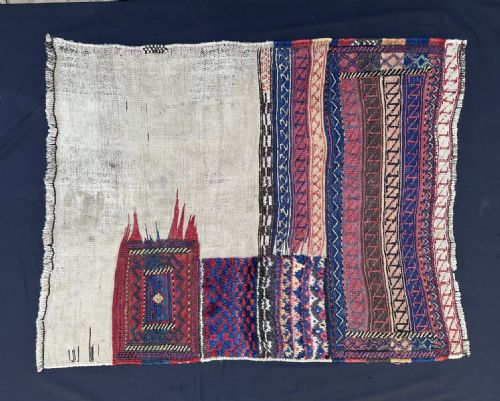
Weaving techniques vary by region and tribal affiliation, encompassing dense pile knots as well as flatwoven soumak and kelim structures. The manipulation of these techniques allowed makers to incorporate intricate geometric motifs, animal trappings, and traditional tribal guls into the textile surface. Artisans completed these durable fabrics to withstand rigorous nomadic existence, ensuring the survival of complex patterns through decades of use.
Woven Tribal Wall Hanging Retail Price Guide 2026
Typical asking prices for woven tribal wall hanging among the pieces listed under this phrase on Sellingantiques today, from the lower quarter to the upper quarter. They describe what is for sale here now, not the wider market.
Materials recorded in current inventory include hand-spun wool, cotton foundations, natural dyes, glass beads, and cowrie shells.
Distinguishing quality and execution
Quality in these textiles depends heavily on the fineness of the weave and the precision of the knotting or flatweaving technique. Tighter knot counts and precise geometric execution signal superior craftsmanship by experienced tribal weavers. Conversely, looser structures and hasty execution point towards utilitarian production intended purely for basic domestic utility rather than ceremonial display.
The depth and integrity of the dye palette further separate exceptional examples from standard specimens. Artisans employing well-fixed natural dyes achieved harmonious colour saturation that aged evenly, whereas inferior or later dye applications can appear flat or show uneven fading. The presence of original structural components, tassels, and complete borders also elevates the overall standing of a textile within its specific tribal type.
The Woven Tribal Wall Hanging Glossary
- Asmalyk
- A large, pentagonal trapping produced by Turkmen tribes, traditionally hung on the flanks of a bride's camel during wedding processions. These highly decorative pieces display intricate gul patterns and fine wool pile.
- Torba
- A small storage bag woven by Turkmen and other Central Asian groups, used inside the yurt for holding household belongings. They frequently feature wide primary borders and repeated central guls.
- Chanteh
- A small traditional Persian or Kurdish carrier bag used by nomads for personal items or documents. These portable pieces often survive as compact wall hangings due to their manageable scale and detailed face designs.
- Gul
- A repeating, octagonal or medallion-like motif used extensively by Turkmen and Central Asian weavers to identify specific tribal lineages and clans. Each design variation carries distinct genealogical significance.
- Sofreh
- A flatwoven textile used primarily for ritual dining, bread making, or food preparation among nomadic communities. They showcase minimalist geometric compositions created through supplementary weft-wrapping techniques.
Woven Tribal Wall Hanging: Frequently Asked Questions
How were these bags used originally?
Nomadic tribes utilised these woven pieces for practical storage, animal transport, and domestic organisation inside tents and gurts. Items like salt-bags, saddle covers, and grain sacks held essential provisions during seasonal migrations.
Over time, these utilitarian objects also fulfilled decorative and ceremonial roles within the community, marking important cultural milestones such as weddings and tribal alliances.
How do I hang a textile safely?
Mounting a fragile textile requires distributing the weight evenly across the entire upper edge to prevent stress on the antique fibres. Conservation-grade Velcro or a custom-sewn cotton sleeve paired with a padded wooden slat offers secure support without piercing the wool.
Avoid using direct pins or nails through the fabric, as concentrated pressure tears aged threads and compromises the structural integrity of the weave over time.
How can I tell different tribal designs apart?
Tribal attribution relies on identifying specific structural characteristics, colour combinations, and characteristic motifs unique to each weaving group. Turkmen pieces often display distinct guls on deep madder-red grounds, whereas Persian Qashqa'i and Afshar works frequently incorporate lively animal and botanical figures.
Familiarising yourself with regional palette preferences and border configurations helps narrow down the probable origin of an unsigned piece.
Are natural dyes easy to identify?
Natural dyes produced from roots, insects, and plants exhibit a subtle variation in tone known as abrash, where colour shifts slightly across the length of the wool. This tonal movement occurs due to small dye lot changes and hand-processing methods.
Closer inspection reveals that natural colours penetrate the wool fibre deeply, maintaining warmth and complexity rather than presenting a flat, uniform appearance.