



Vintage Turkmen Textile
When you examine a vintage turkmen textile, you encounter nomadic Central Asian tribal weaving rooted in centuries of pastoral tradition.
Vintage Turkmen Textile
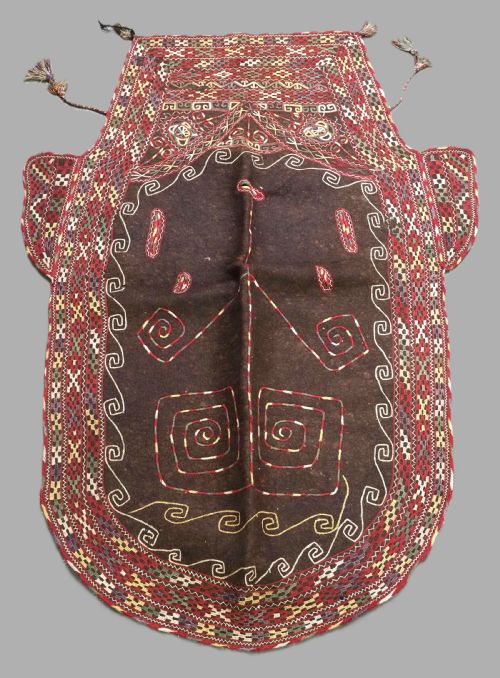
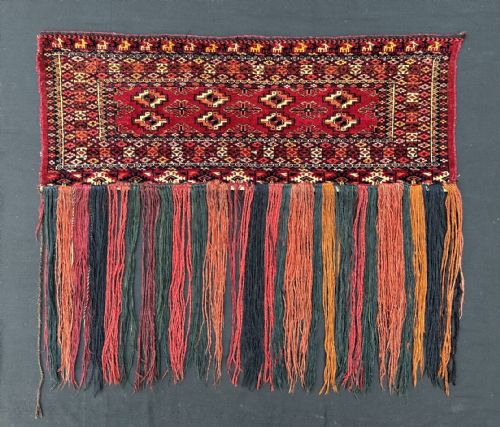
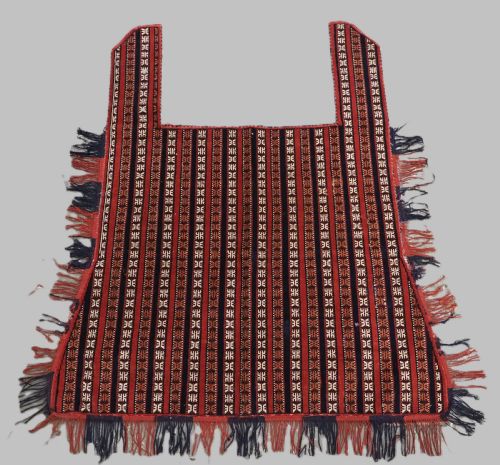
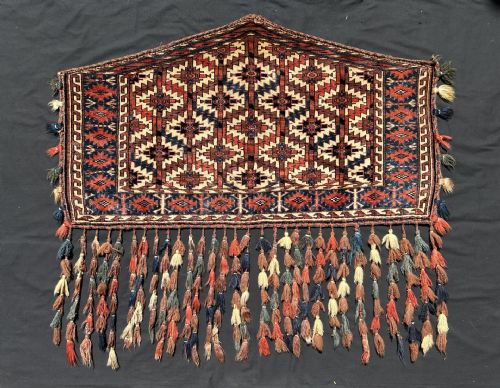
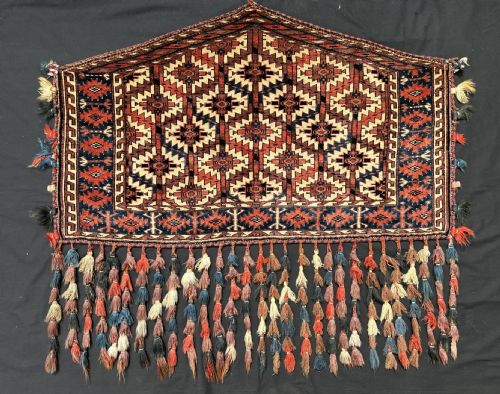
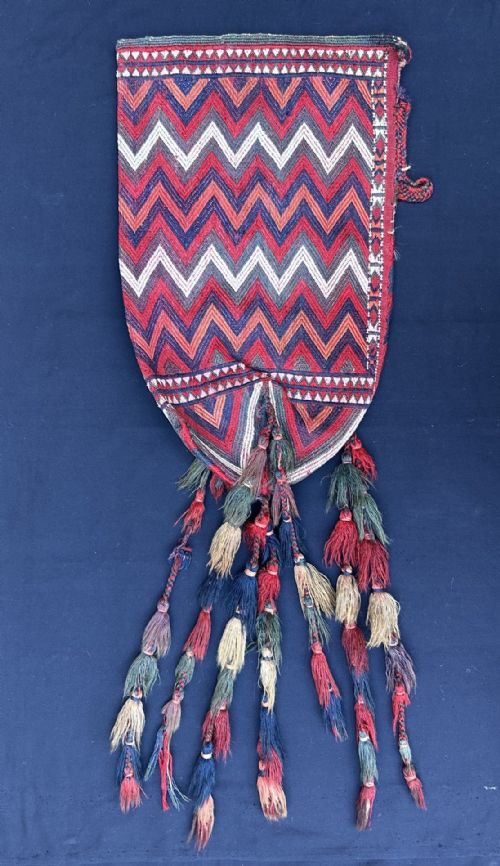
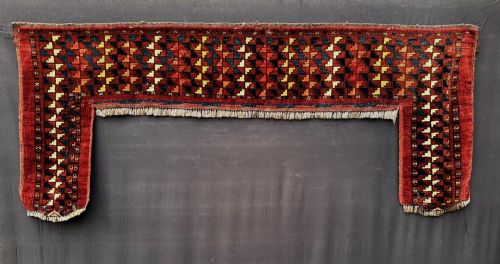
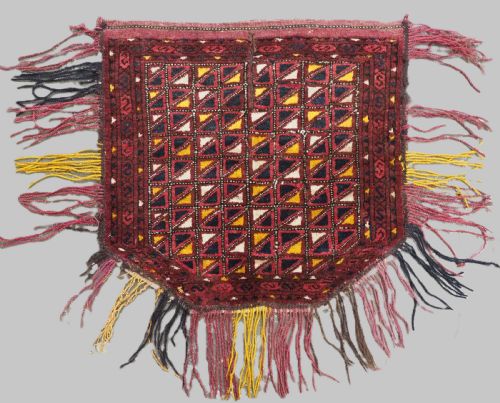
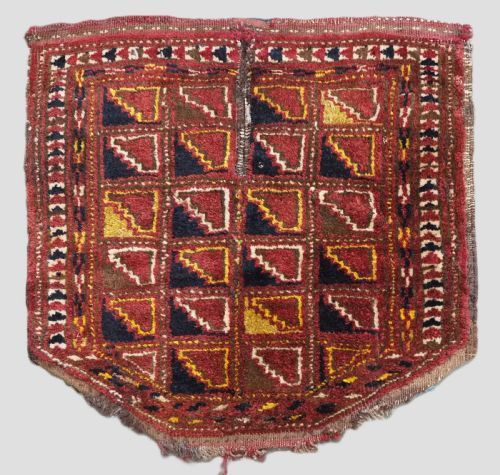
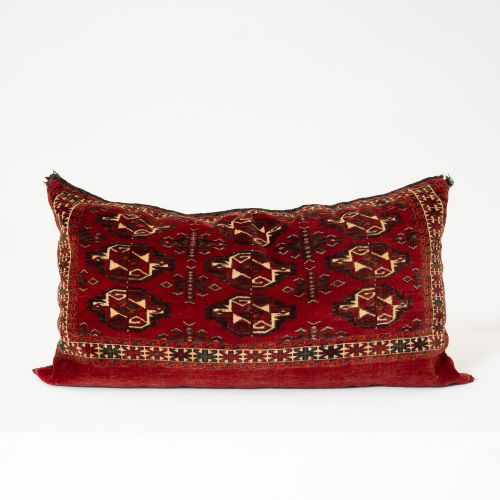
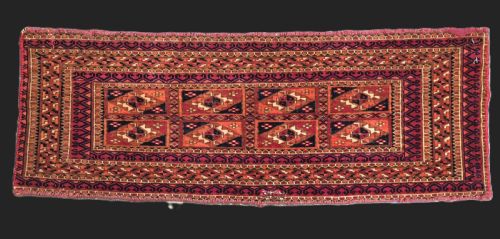
A vintage turkmen textile encompasses functional tribal weavings, animal trappings, tent furnishings and ceremonial garments originating from Central Asian regions. These pieces include storage bags, saddle covers, horse blankets, tent bands and tribal coats woven or embroidered by groups such as the Yomut, Tekke and Ersari.
The objects most frequently met on this page date from the mid-nineteenth century through the early twentieth century. Buyers encounter utilitarian domestic items transformed by intricate tribal motifs, structured gul designs and traditional formats designed for nomadic life across the Trans-Caspian steppes and oases.
How They Were Made
Central Asian weavers constructed these textiles primarily from hand-spun wool and cotton, utilising natural dyes to achieve deep red, ivory and polychrome grounds. Artisans integrated felted wool, cotton thread and silk thread for structural integrity and surface embroidery.
Techniques varied between piled knotting, flatweaving, banded structures and surface needlework. Artisans applied supplementary materials such as original wool tassels, hanging loops and plain weave backs to complete bags, trappings and tent decorations.
Camel and horse wedding headdresses survive alongside fifty-foot yurt bands, proving nomads took interior decoration very seriously.
What Varies in Quality
The structural density of the weave distinguishes individual items, with finer knot counts and tighter foundations marking superior execution. The clarity of geometric gul repetitions and the preservation of original wool or silk elements determine the overall integrity of each trapping.
Completeness alters the character of a piece, as surviving backs, tassels and hanging loops preserve the original utility of the textile. The saturation and stability of natural dye colours further separate standard utilitarian production from masterwork tribal weaving.
The Vintage Turkmen Textile Glossary
- Torba
- A small Turkmen storage bag used inside the yurt for household possessions. These pieces typically display repeated gul motifs across the face.
- Chuval
- A large Turkmen storage bag utilised for bedding and bulky items. They frequently feature multiple rows of guls and structured formats.
- Gul
- A primary medallion motif repeated across Central Asian tribal rugs and bags. Each design often signifies a specific tribal lineage or sub-group.
- Asmalyk
- A ceremonial camel trapping produced in pairs for wedding processions. These pentagonal or stepped hangings display elaborate secondary ornamentation.
- Engsi
- A tribal wall hanging or tent door rug positioned at the entrance of a yurt. They are characterised by a candelabra-like division of the field.
- Kap
- A general term for a Turkmen bag or storage sack. These functional items appear in numerous regional variations across tribal areas.
Vintage Turkmen Textile: Frequently Asked Questions
What is a turkmen chuval used for?
Nomadic families utilised large chuvals inside their tents to store bedding, clothing and personal belongings safely off the damp ground. Their structured rectangular format allowed them to be stacked securely along the interior walls of the yurt.
These storage sacks combined utilitarian durability with intricate tribal patterns. Weavers arranged multiple guls across the face to display lineage and design identity.
How do I identify a Yomut textile?
Yomut weavings originate from tribes inhabiting the Trans-Caspian steppes and often feature distinctive hooked guls, stepped polygons and banded flatweave structures. Their colour palette frequently relies on rich madder reds combined with ivory, dark brown and blue accents.
These pieces include specialised items like spindle bags, horse blankets and asmalyks. The handling of geometric motifs sets them apart from neighbouring Tekke and Ersari work.
How do I care for a textile?
Protect antique tribal weavings from direct sunlight to prevent natural dye fading and fibre degradation. Regular gentle vacuuming with a mesh screen safeguards the wool and silk pile from accumulated dust.
Avoid hanging heavy textiles by isolated points to prevent structural distortion across the foundation. Professional textile conservators should handle any necessary cleaning or stabilization.