





Wool Turkmen Kilim
A wool turkmen kilim brings grounded Central Asian tribal warmth into a room through flatweave geometry and rich natural dyes.
Wool Turkmen Kilim
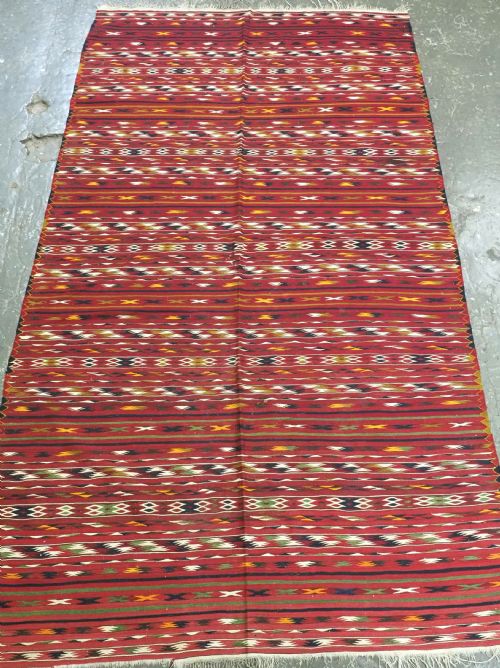
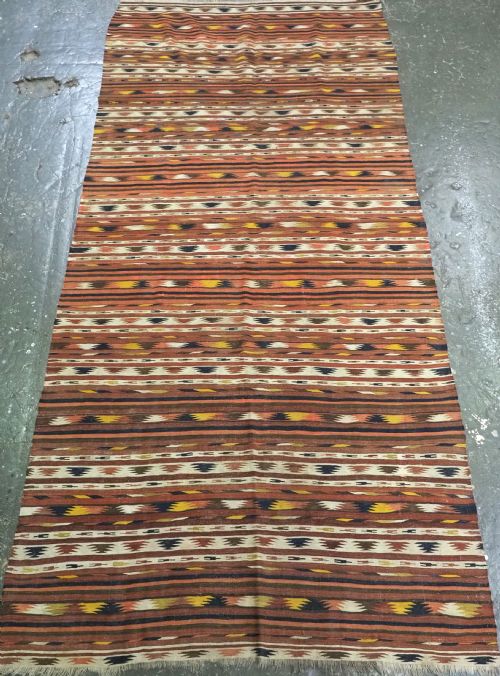
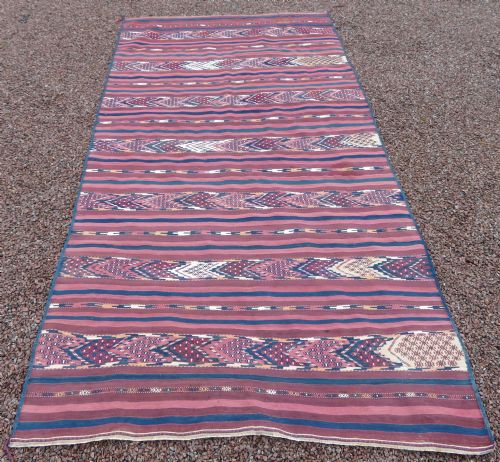
When you search for a wool turkmen kilim, you encounter flatwoven tribal textiles that originated across Central Asia and Turkmenistan. These pieces span utility items like storage bags and tent bands alongside larger floor coverings.
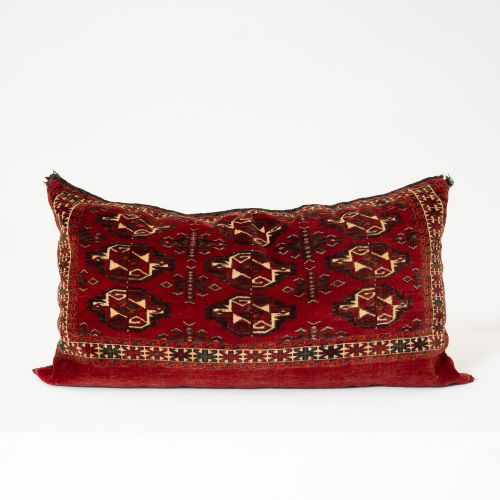
The selections available here range from the late nineteenth century into the early twentieth century, taking forms such as Dali kilims, Yomut palas soumak kilims, and Chuval cushions. They represent the nomadic traditions of tribes including the Tekke, Yomut, Ersari, and broader Turkmen groups.
Materials and construction
These textiles are built primarily from wool, frequently utilising cotton for structural elements or foundation support. Natural dyes provide the palette, creating deep, enduring tones across the flatweave structure.
Weavers employed specific techniques such as soumak wrapping, cicim brocade work, and banded flatweave designs. Finished pieces often incorporate original details like long kilim ends, tassels, and complete backs.
Several pieces come complete with their original wool tassels and fabric backs, proving that nomad housekeeping was remarkably tidy.
Judging quality in tribal flatweaves
Quality rests upon the fineness of the weave and the precision of the geometric layout. A tighter, denser structure signals greater skill and time invested by the weaver.
The integrity of the original flatweave ends, tassels, and structural components distinguishes superior examples. Retaining complete construction details preserves the historical utility of the piece.
The Wool Turkmen Kilim Glossary
- Kilim
- An untufted flatwoven textile produced by tightly interweaving warp and weft strands. This technique creates a smooth surface without a raised pile.
- Soumak
- A supplementary weft-wrapping technique that produces a textured, braided surface effect. It adds both decorative weight and structural durability to the textile.
- Chuval
- A large tribal bag used historically for storage within a yurt or tent. Surviving examples frequently appear as cushion faces or intact small hangings.
- Mafrash
- A rectangular storage sack or bedding bag made by nomadic tribes. They often feature banded flatweave designs and were produced in pairs.
- Cicim
- A brocade technique where decorative supplementary threads are woven into the foundation warp. This method creates raised surface patterns across the flatweave.
Wool Turkmen Kilim: Frequently Asked Questions
How were these kilims used originally?
Nomadic groups utilised these flatweaves as functional household items, storage containers, tent furnishings, and floor coverings within traditional settlements.
Items like chuvals and mafrash bags held bedding or household goods, while larger palas kilims served as rugs and tent bands secured the nomadic dwelling structures.
How do I care for a flatweave rug?
Protect the wool and natural dyes by keeping the textile out of direct, harsh sunlight to prevent fading. Regular gentle vacuuming without a rotating brush roll removes trapped dust.
Professional textile cleaners experienced with antique tribal wool should handle any deep washing or conservation needs.
How can I tell different tribal groups apart?
Tribes such as the Tekke, Yomut, and Ersari expressed their identity through distinct geometric motifs, border arrangements, and colour palettes. Yomut pieces frequently display bold diamond designs and soumak work, whereas Tekke items often feature refined repeating guls.
Studying the specific flatweave structure and secondary motifs helps identify the likely tribal origin of each textile.
Can I use these textiles on the floor?
Many pieces function well as floor rugs, provided they possess a sturdy flatweave structure and are placed in areas of moderate foot traffic. Using a quality underlay prevents slipping and reduces friction against the floorboards.
More delicate structural pieces or small cushion faces are often better suited to wall hanging or display as decorative interior accents.