



Woven Textile Fragment
A woven textile fragment brings centuries of nomadic and European craftsmanship into an interior through surviving portions of rugs, bags and tapestries.
Woven Textile Fragment
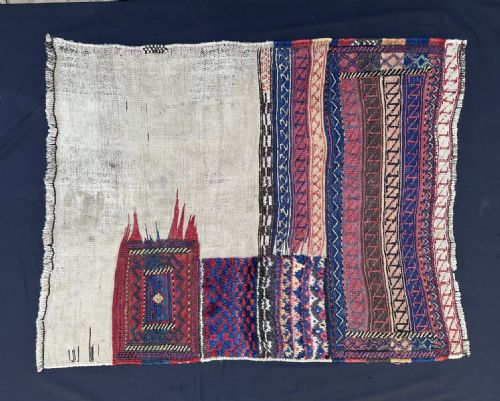
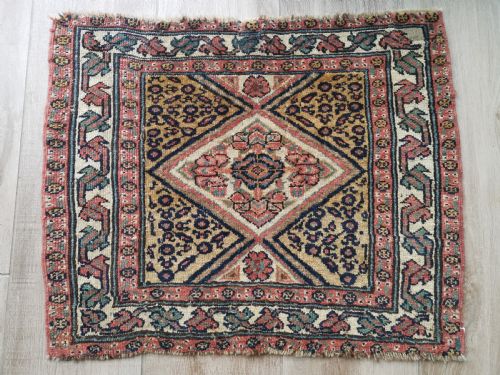
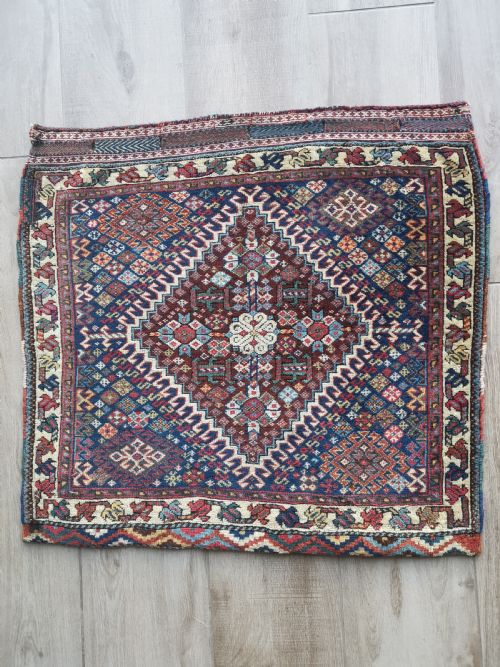
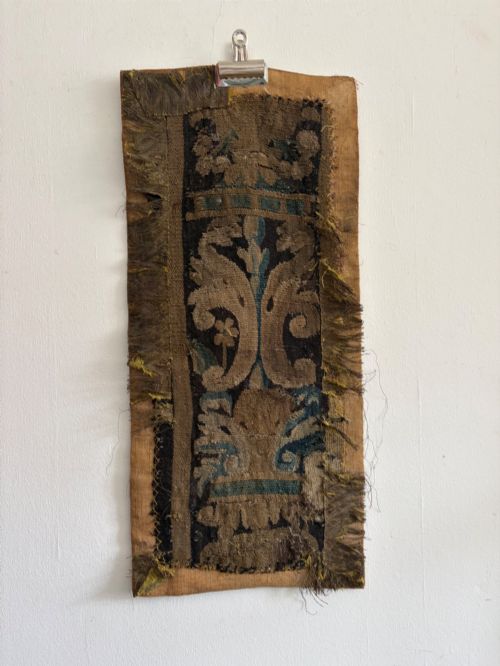
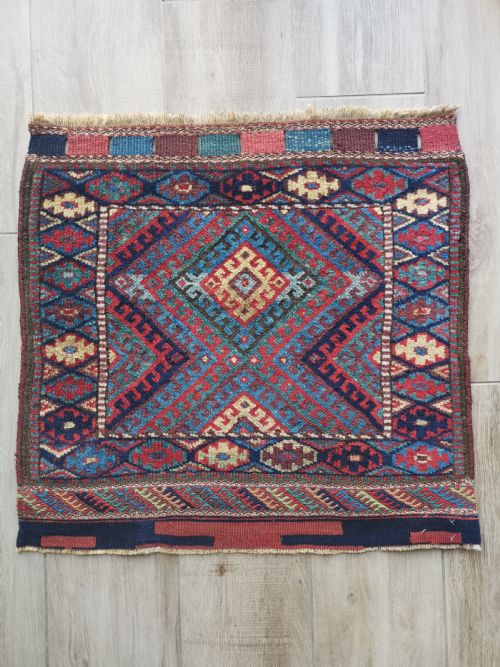
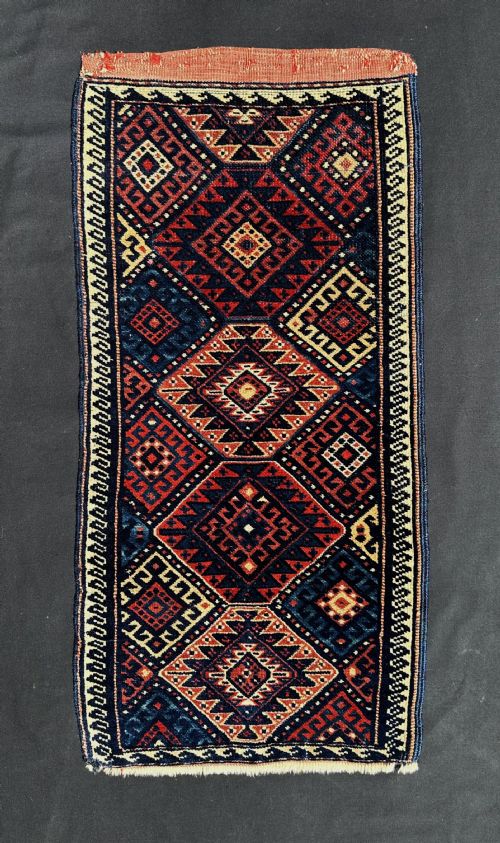
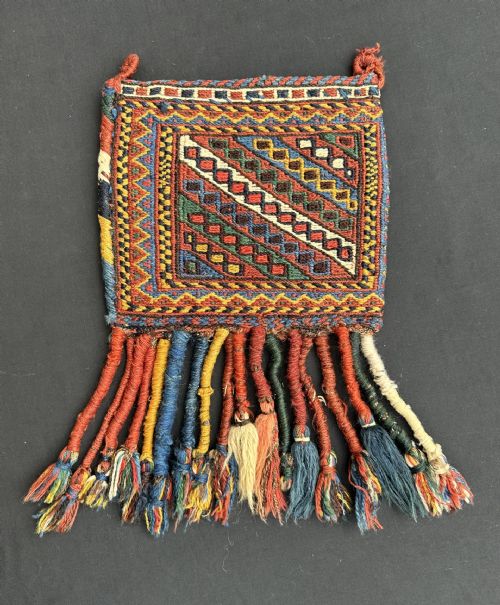
When searching for a woven textile fragment, a buyer encounters remnants of larger historical items such as tribal bagfaces, torbas and wall hangings. These pieces originate from the seventeenth century through to the early twentieth century, spanning European ateliers and nomadic traditions across Persia, Central Asia and Flanders.
The selections available here lean heavily into nomadic tribal weaving, particularly Turkmen torba faces and Persian bagfaces, alongside European verdure tapestries. Such remnants allow collectors to examine structural details and dye work that might otherwise be lost on entirely intact, large-scale carpets.
Most entries represent functional household or tribal items reduced by time to manageable panels. Buyers acquire these fragments for their concentrated design motifs, historical density and suitability for mounting on linen or framing as wall art.
What varies in quality
Quality rests upon the density of the weave, the clarity of the drawing and the vibrancy of the remaining colour palette. Finer knots and tightly spun materials distinguish high-status dowry pieces or workshop panels from standard utilitarian items.
The preservation of natural dyes and the precision of geometric or figurative motifs dictate the visual impact of a panel. Superior examples display balanced compositions and minimal distortion despite the losses inherent in age.
Listings feature materials including wool, cotton, silk, linen, wood and hand-spun wool, spanning the seventeenth through to the twentieth century.
The Woven Textile Fragment Glossary
- Torba
- A small Turkmen storage bag, usually wider than it is tall, designed to hang inside a yurt. Surviving faces show intricate tribal guls.
- Gul
- A medallion or repeating primary motif found in Central Asian and Turkmen carpet design. Each tribal group typically utilised distinct, recognisable gul patterns.
- Verdure tapestry
- A European wall hanging dominated by foliage, trees and landscapes, often featuring subtle greens and blues. Seventeenth-century Flemish examples frequently depict wooded parklands.
- Bagface
- The decorated front panel of a nomadic container or saddlebag, spared from wear and preserved independently. These sections concentrate the main design elements of the original vessel.
- Sumac
- A flatweave technique where supplementary pattern wefts wrap horizontally around the warp threads to create a textured, durable surface. This method appears frequently in Persian tribal weaving.
Woven Textile Fragment: Frequently Asked Questions
What is a woven textile fragment?
A woven textile fragment is a surviving portion of an older rug, bagface or tapestry that has been separated from its original full-scale piece. These remnants allow collectors to own historical weaving without acquiring a large carpet.
They often display concentrated design motifs and skilled craftsmanship from Persian, Central Asian or European traditions.
How were these fragments used originally?
Many fragments originated as functional items such as nomadic saddlebags, tent bands, storage torbas or European wall hangings. Nomads utilised woven bags for daily transport and storage within tents.
European examples served primarily as decorative tapestries or cushion covers in formal interiors before being cut down over time.
How do you display a fragment?
Many buyers mount fragile panels onto linen or frame them behind glass to protect the remaining fibres from further deterioration. This presentation method transforms functional remnants into accessible wall art.
Placement should avoid direct sunlight to protect natural dyes from fading over the years.
How can you tell tribal types apart?
Tribal origins are identified by specific design structures, colour palettes and knotting techniques characteristic of groups like the Yomut, Tekke, Afshar or Qashqai. Distinctive motifs such as specific guls or boteh patterns point directly to regional weaving traditions.
Familiarity with wool preparation and dye saturation also helps distinguish one nomadic group from another.