




Flemish Woven Panel
These historic flemish woven panel examples bring rich architectural depth and centuries of hand-worked textile artistry directly into your interior.
Flemish Woven Panel
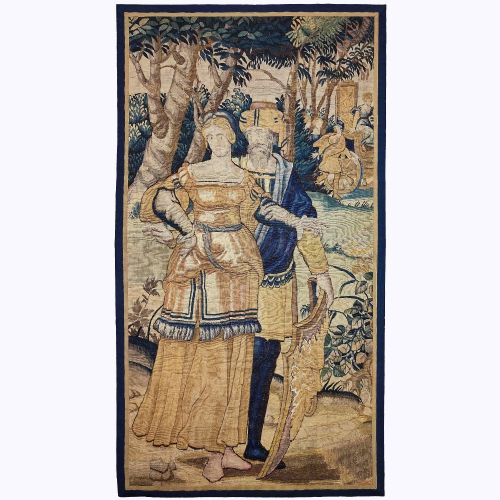
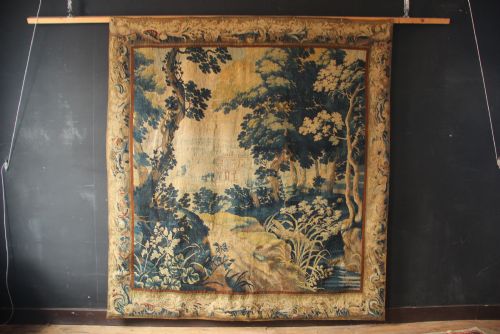
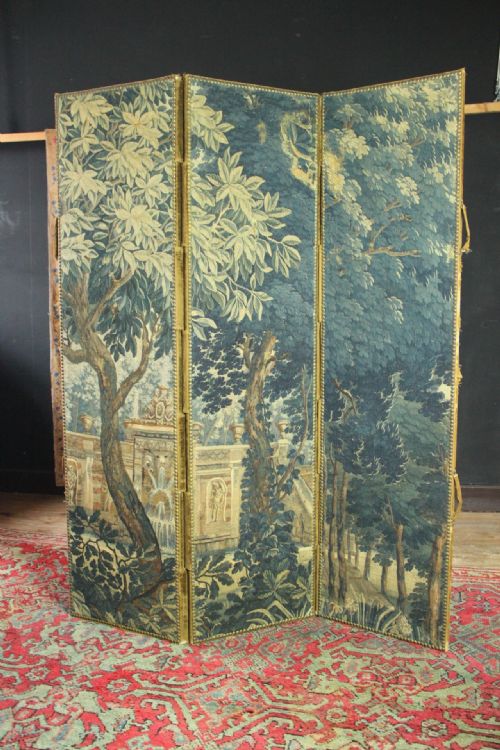
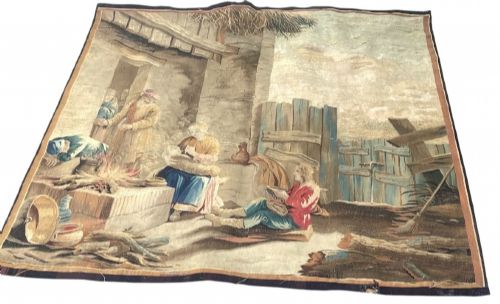
A flemish woven panel encompasses wall hangings, verdure tapestries, and textile fragments originating primarily from the sixteenth, seventeenth, and eighteenth centuries. Buyers searching for a flemish woven panel most frequently encounter verdure scenes depicting lush foliage, landscapes, and woodland flora.
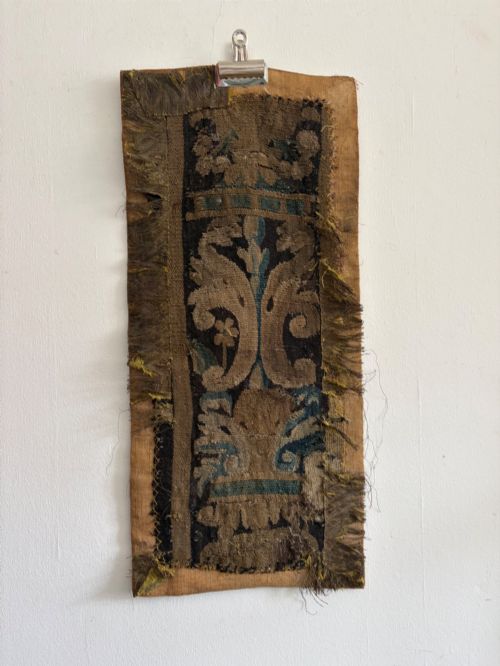
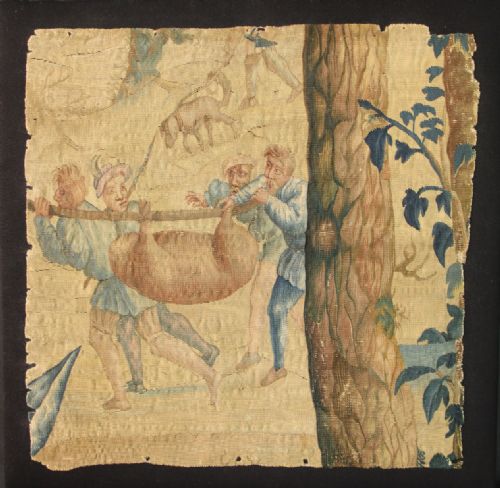
The surviving examples range from large wall tapestries and folding screens down to cushion covers and narrow border fragments mounted on linen. Pieces date across distinct periods including the Flemish Renaissance and Flemish Baroque styles.
How they were made
Weavers constructed these textiles using wool, silk, and linen threads hand-woven on vertical or horizontal looms. The combination of durable wool foundations with finer silk highlights generated subtle tonal shifts across the landscape and foliage motifs.
Many surviving fragments show mounting onto supporting linen backings to stabilise the historic fabric, whilst wooden frames or brass elements occasionally support folding screens and structural wall installations.
Listings feature works from the sixteenth, seventeenth, and eighteenth centuries, executed in wool, silk, and linen.
What varies in quality
The distinction between standard works and finer pieces rests in the complexity of the landscape design and the density of the weave. Verdure tapestries with varied botanical detail and well-preserved silk thread highlights demonstrate superior artistic execution.
Condition and format heavily influence the character of each piece, distinguishing large intact panels from smaller border fragments or cushion covers. The survival of rich colour tones across wool and silk yarns separates exceptional examples from heavily faded counterparts.
The Flemish Woven Panel Glossary
- Verdure tapestry
- A wall hanging or textile panel featuring a landscape dominated by trees, plants, foliage, and occasionally animals or birds. These scenes formed a major part of seventeenth-century weaving production.
- Tapestry fragment
- A surviving portion of a larger historic textile, often trimmed and mounted to linen for preservation and display. Fragments frequently originate from the borders or central fields of larger wall hangings.
- Flemish Baroque
- An artistic style prevalent during the seventeenth century characterised by dramatic movement, deep perspective, and exuberant natural forms. This style heavily influenced the composition of contemporary woven panels.
- Linen backing
- A supportive textile layer sewn behind historic woven panels to provide structural stability. This technique prevents sagging and protects fragile ancient fibres from further degradation.
Flemish Woven Panel: Frequently Asked Questions
How do I hang a panel?
Larger wall hangings and tapestries typically require a professional mounting system that distributes the weight evenly across the top edge. Many dealers mount smaller fragments onto supportive linen backing to facilitate safe wall display.
Ensure the hanging location avoids direct sunlight to protect the fragile wool and silk threads from fading over time.
What is a verdure scene?
A verdure scene depicts a stylised landscape filled with lush foliage, trees, and plants rather than human historical figures. These compositions often include distant châteaux or small birds hidden among the leaves.
Such landscapes were exceptionally popular in Flemish weaving workshops during the seventeenth and eighteenth centuries.
How do I clean old tapestries?
Historic woven panels require specialist textile conservation rather than standard domestic cleaning methods. Gentle surface dusting with a soft brush or low-suction vacuum through mesh is generally the limit of home maintenance.
Professional conservators should handle any deeper cleaning to avoid damaging delicate silk and wool yarns.
Can I use fragments as screens?
Some historic pieces are incorporated directly into folding screens framed in wood. These functional room dividers showcase verdure panels or tapestry sections within a portable architectural format.
Placing a folding screen away from damp areas helps preserve both the wooden structure and the textile inserts.