




Woven Silk Tapestry
A woven silk tapestry brings rich texture and historic narrative to an interior through intricate textile artistry.
Woven Silk Tapestry
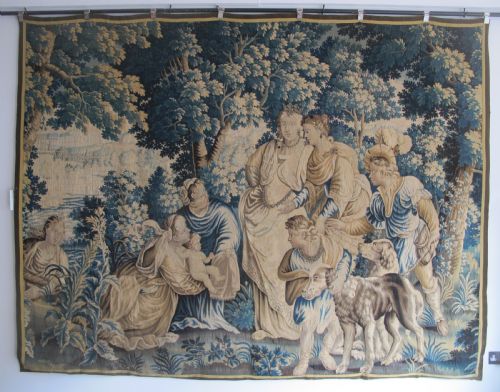
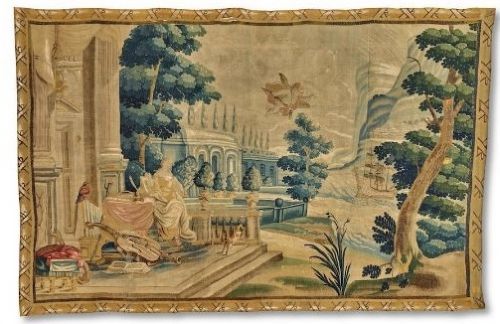
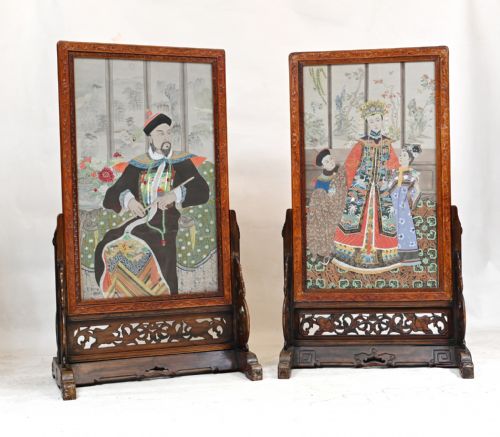
A woven silk tapestry encompasses substantial wall hangings, framed panels, textile fragments, and domestic furnishings created across multiple centuries. Buyers searching for a woven silk tapestry will encounter diverse regional traditions ranging from European verdure and mythological scenes to Ottoman prayer rugs and Chinese hardwood screens.
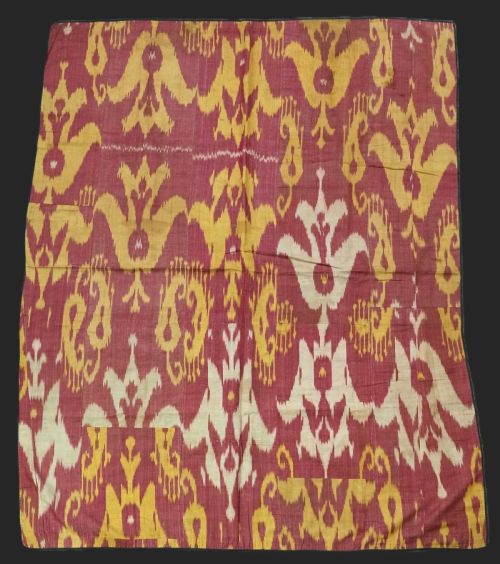
The pieces on this page span from the sixteenth century through to the nineteenth century, reflecting significant European workshops alongside Anatolian, Uzbek, and Chinese examples. Large scale Flemish compositions and French verdure panels form a prominent part of the selection alongside smaller textile panels and cushions.
What varies in quality
Quality in these textiles depends upon the density of the weave, the complexity of the design, and the survival of the original fibres. Finer examples display meticulous pictorial depth through skilled handling of silk and wool threads.
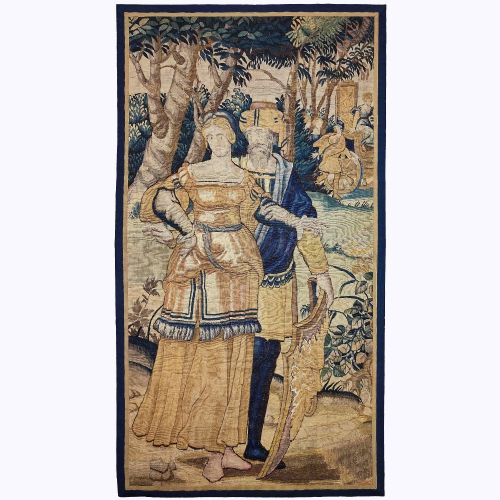
The distinction between top tier works and standard pieces lies in the fidelity of the narrative depiction, whether mythological, biblical, or botanical. Completeness also influences the standing of a piece, as fragments differ substantially from grand scale intact panels.
Materials recorded across the inventory include silk, wool, cotton, linen, thread, and hardwood.
The Woven Silk Tapestry Glossary
- Verdure
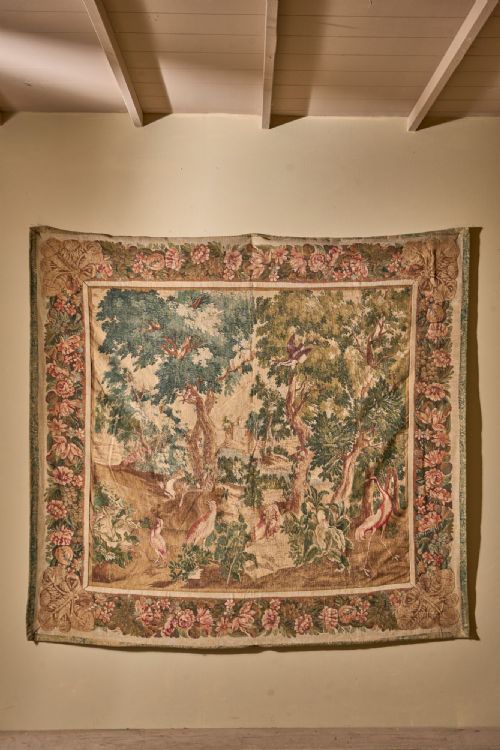
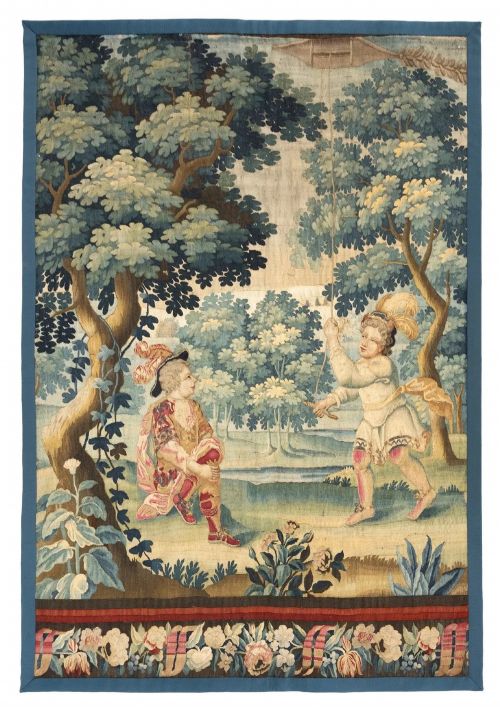
- A type of tapestry featuring a heavily wooded landscape or garden scene as the primary subject. These panels typically incorporate dense foliage, trees, and often birds or animals.
- Audenaarde
- A historical centre of tapestry weaving located in Flanders, renowned for producing detailed verdure and landscape panels. Pieces attributed to this origin often show sophisticated botanical motifs.
- Fragment
- A surviving portion of a larger historical textile that has been separated from its original composition. Fragments are frequently mounted or framed for modern display.
- Prayer rug
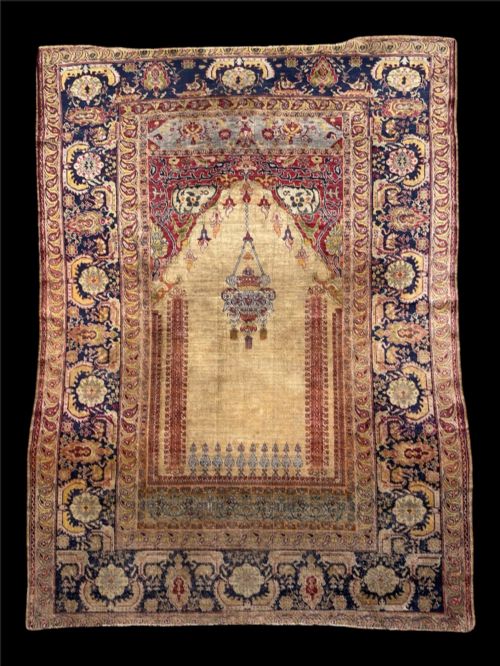
- A small carpet or textile panel featuring a design that incorporates a mihrab or niche motif. These pieces served a specific devotional function in Islamic traditions.
- Ikat
- A dyeing and weaving technique where threads are pattern dyed before being woven into fabric. This method creates characteristic feathered edges along the design motifs.
Woven Silk Tapestry: Frequently Asked Questions
How do I hang a large tapestry?
Large textiles require even weight distribution across a supportive wooden batten or hidden support system rather than direct nailing. This prevents undue stress on the historic silk and wool fibres.
Professional mounting ensures the piece hangs flat against the wall without distorting the warp and weft threads over time.
Where were Flemish tapestries made?
Flemish pieces originated in workshops across historical centres in Flanders, including towns like Audenaarde. These urban centres produced celebrated narrative and landscape works for European nobility.
Master weavers in these workshops employed sophisticated dyeing and weaving techniques that defined the period style.
What is a verdure tapestry?
A verdure tapestry depicts a lush landscape filled with trees, leaves, flowers, and occasionally animals or architectural elements. These scenes were immensely popular for bringing natural scenery into interior spaces.
They often utilise varied shades of green and earth tones created from natural dyes.