


Woven Mihrab Rug
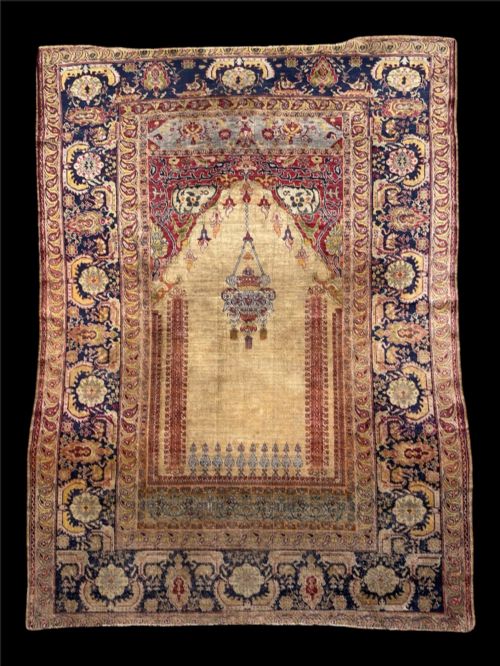
A woven mihrab rug brings centuries of Anatolian, Caucasian, and Afghan tribal artistry into a room through distinct architectural niche designs.
Woven Mihrab Rug
A woven mihrab rug typically displays a prominent arched prayer niche design derived from Islamic architecture, marking a specific place for devotion. These floor coverings bridge nomadic tribal traditions and classical village workshops across the Near East and Central Asia.
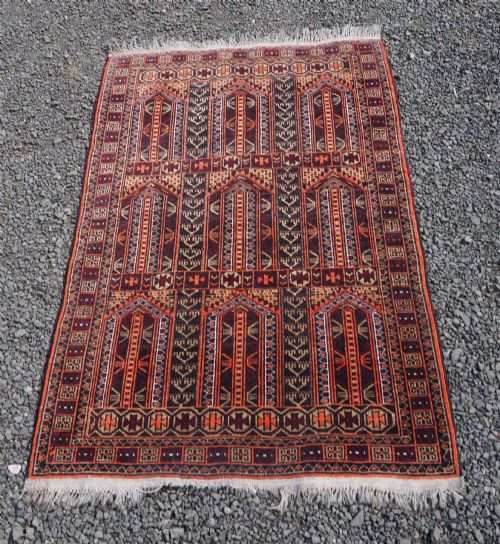
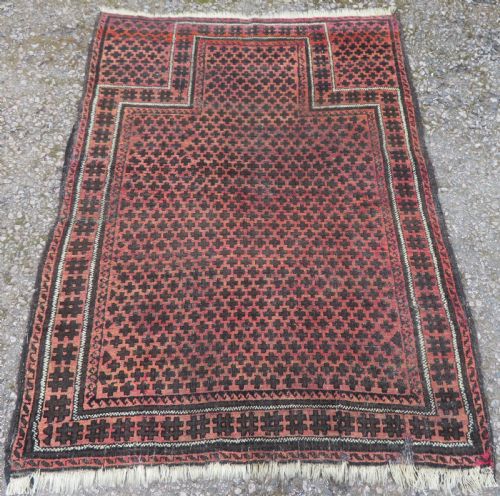
The selections available here range from Afghan Baluch and Turkmen village pieces to Anatolian and Caucasian formats. Buyers encounter single arches, multiple mihrabs, and column designs spanning the nineteenth and early twentieth centuries.
Village and tribal examples dominate the selection, showing regional motifs like lotus leaves, tree of life patterns, and floral lattices. Each piece reflects the specific cultural geometry of the weavers who produced them.
How they were made
Weavers constructed these textiles primarily using hand-spun wool and cotton, occasionally incorporating silk and camel hair for specific pile or foundation effects. Natural dyes provided the deep blue, ivory, and earthy ground tones recorded across the inventory.
Nomadic and village workshops utilised traditional vertical and horizontal looms to knot or weave each carpet by hand. The structural integrity relies on tightly packed wool foundations and dense knotting designed to withstand generations of use.
One enthusiastic weaver clearly had a soft spot for camels, hiding tiny camel hair details where nobody would ever step.
What varies in quality
Quality rests upon the fineness of the knotting, the stability of the foundation materials, and the clarity of the design drawing. Superior examples maintain crisp architectural lines in the niche and harmonious natural dye saturation.
The handling of wool also dictates the tactile grade, where hand-spun materials yield a softer handle and greater resilience. Artisanal execution in regional motifs separates standard village weaving from exceptional tribal works.
The Woven Mihrab Rug Glossary
- Mihrab
- The arched architectural niche design set into the field of a prayer rug, pointing toward Mecca. It forms the central visual focus of the textile.
- Seh Mihrab
- A triple-arched prayer niche design frequently found in Afghan and Baluch tribal weaving. This layout places three distinct arches across the upper field.
- Ghiordes
- A historic Anatolian weaving centre and design style known for classical prayer rug formats featuring structured niches. Pieces bearing this attribution often show refined floral borders.
- Baluch
- A grouping of nomadic and semi-nomadic tribes from the borderlands of Iran, Afghanistan, and Pakistan. Their rugs typically utilise dark wool grounds and geometric motifs.
- Kizil Ayak
- A Turkmen tribal group known for distinctive prayer rugs featuring repeated guls and rich coloration. These pieces date predominantly to the nineteenth and early twentieth centuries.
Woven Mihrab Rug: Frequently Asked Questions
What is a mihrab design?
The mihrab is an architectural arch motif that represents a prayer niche, orienting the worshipper during daily devotions. In textile art, this arch defines the upper field of the rug.
Weavers adapted regional variations of this shape, ranging from sharp single arches to triple arches and columned structures. These layouts provide the primary visual geometry for the pieces.
Where were these rugs made?
These textiles originate from various regions including Anatolia, the Caucasus, and Central Asia. Specific groups such as Afghan Baluch, Turkmen, and West Anatolian villagers produced the examples seen here.
Each producing region developed distinct colour palettes and structural techniques that identify their geographic source. Local tribal traditions heavily influenced the motifs.
How do I care for an antique rug?
Protect antique wool and silk textiles by keeping them out of direct sunlight to prevent dye degradation. Regular gentle vacuuming without a beater bar removes trapped dust.
Rotate the rug periodically to ensure even wear across high-traffic areas. Professional cleaning tailored to antique pile should occur infrequently.
What materials are used?
The primary materials are hand-spun wool and cotton, supplemented by natural dyes derived from plants and minerals. Some specialised or fine examples incorporate silk pile or camel hair.
These natural components provide durability and a rich patina that deepens with age. The foundation yarns typically consist of sturdy wool or cotton cords.