


Woven Anatolian Mat
A woven anatolian mat brings historic village character into a room through rich wool and traditional geometric design.
Woven Anatolian Mat
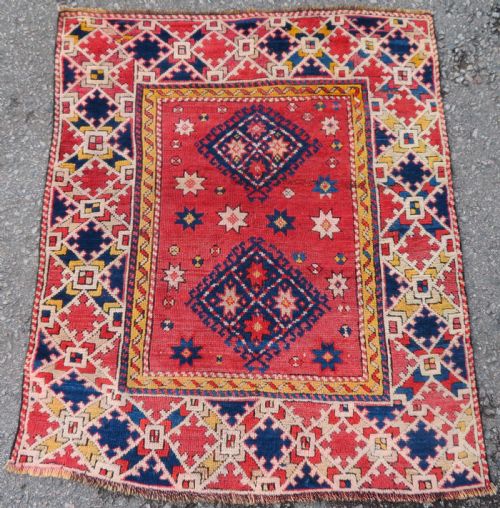
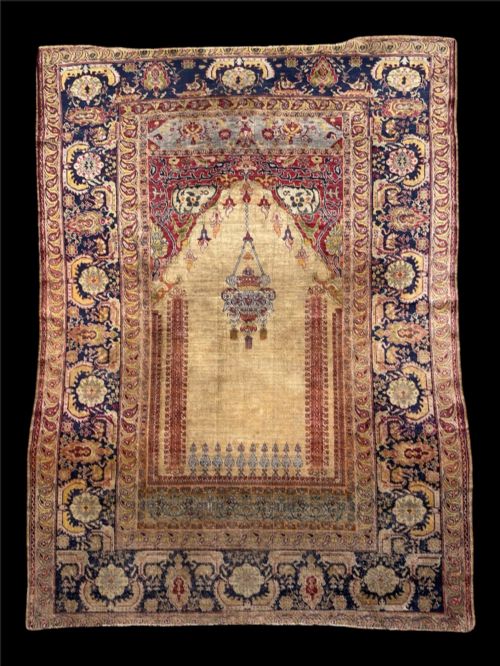
When you search for a woven anatolian mat, you are looking at handmade floor coverings originating from Turkey during periods spanning the nineteenth and early twentieth centuries. These pieces encompass village rugs, scatter formats, and specific formats such as prayer rugs and yastic cushion covers.
The version you are most likely to meet on this page is a nineteenth-century village rug featuring tribal motifs or traditional prayer mihrabs. They originate from regional weaving centres like Bergama, Konya, Ghiordes, Kirsehir, Milas, Kula, and Ladik.
These floor textiles reflect the domestic traditions of Anatolian weavers working in wool, cotton, and silk. Their formats range from small floor mats to larger area rugs shaped by regional patterns.
How they were made
The construction of these textiles relies primarily on wool, hand-spun wool, cotton, and occasional silk. Weavers knotted these fibres by hand onto foundational warps and wefts to create durable pile surfaces.
Natural dyeing techniques produced the varied ground colours and intricate patterns seen across the regions. The resulting structures range from dense village weaves to finer prayer rugs.
Listings feature pieces spanning the nineteenth century up to nineteen-thirty, utilising wool, hand-spun wool, cotton, and silk.
What varies in quality
Quality in these textiles rests upon the fineness of the knotting and the integrity of the materials. Hand-spun wool and silk examples demonstrate greater material depth than later commercial variations.
The distinction between standard village pieces and superior examples depends on the crispness of the design execution and the vibrancy of the regional palette. Purity of wool preparation and structural tightness set the finer specimens apart.
The Woven Anatolian Mat Glossary
- Prayer rug
- A rug featuring a mihrab design, traditionally used for Islamic daily prayer. These pieces often display architectural arches at one end.
- Mihrab
- The arched niche in a prayer rug that points towards Mecca. It serves as the focal point of the design.
- Yastic
- A small Turkish cushion cover or small rug format. They were traditionally used on low seating areas in homes.
- Warp
- The vertical threads stretched on a loom before knotting begins. They form the structural foundation of the textile.
- Weft
- The horizontal threads passed through the warps to hold the knots in place. Together with the warp, they create the flat foundation grid.
Woven Anatolian Mat: Frequently Asked Questions
How do I clean an old rug?
Surface dirt is best managed through gentle suction vacuuming without a beater bar. Professional textile cleaning is necessary for deep washing to protect the natural fibres.
Water exposure should be kept to a minimum to prevent dye bleeding in wool and silk. Specialist care ensures the historic pile remains intact.
Can I put these rugs on the floor?
These textiles were originally made for domestic floor use and can continue to handle light foot traffic. Placing a quality underlay beneath the piece prevents slipping and reduces fibre friction against hard floors.
High-traffic hallways may accelerate wear on fragile silk or fine nineteenth-century examples. Lighter prayer formats suit low-traffic rooms or wall display.
How do I identify a prayer rug?
A prayer rug is distinguished by a prominent pointed arch or mihrab shape at one end of the field. This architectural motif directs the user during prayer.
Regional variations from Ghiordes, Konya, and Kirsehir all utilise this distinct directional layout. The field beneath the arch often contains floral or geometric motifs.
What is a yastic?
A yastic is a traditional Turkish cushion cover woven in smaller dimensions than a standard floor rug. These pieces served functional roles on low divans in Anatolian homes.
Their compact scale makes them accessible examples of village weaving. Collectors value them for their concentrated regional patterns.