
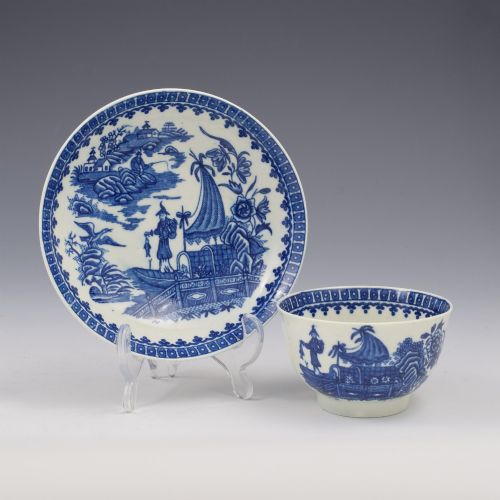


Worcester Tea Bowl
These small, delicate vessels are the quintessential English porcelain worcester tea bowl of the eighteenth and nineteenth centuries, collected for their exquisite hand-painted motifs and translucent bodies.
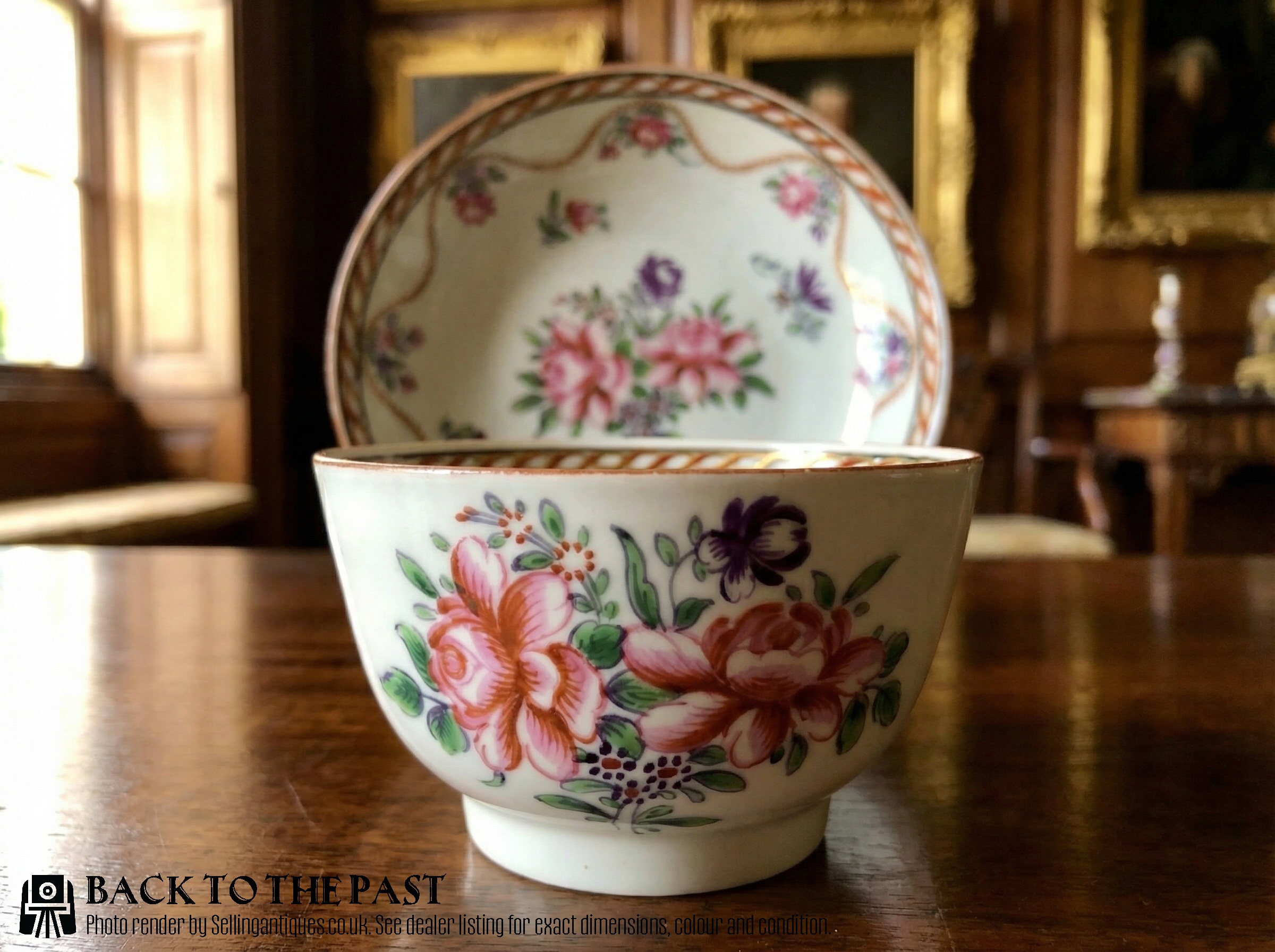
Worcester Tea Bowl
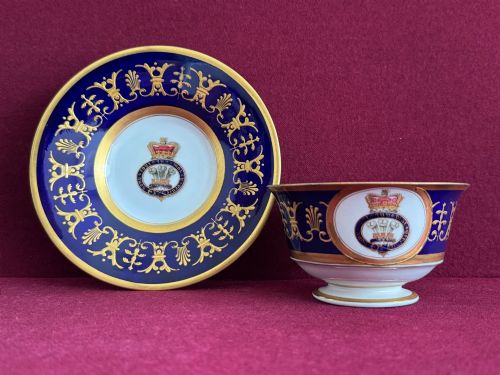
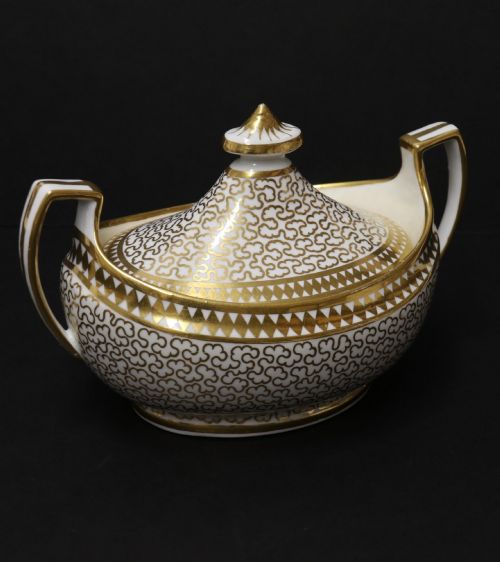
When searching for a worcester tea bowl, collectors encounter various forms ranging from simple handleless cups to complete sets paired with matching saucers and sugar boxes. The majority seen here date from the eighteenth century, specifically the First Period under Dr Wall, alongside later Regency and nineteenth-century pieces from periods associated with Flight, Barr and Chamberlains.
These ceramic vessels served a central role in Georgian dining and social rituals when tea drinking required specialised tableware. Alongside standard tea bowls, the inventory frequently includes related vessels such as slop bowls, sucriers, trios, and teacups with saucers.
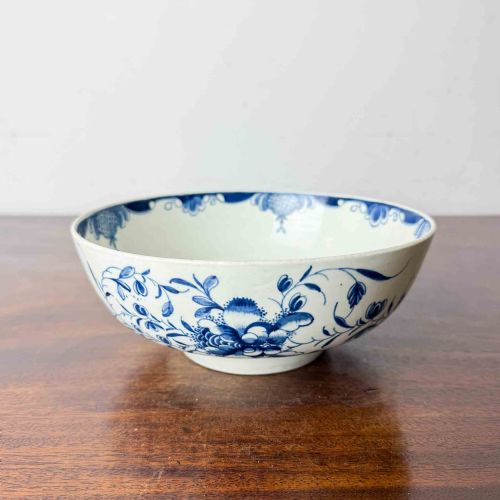
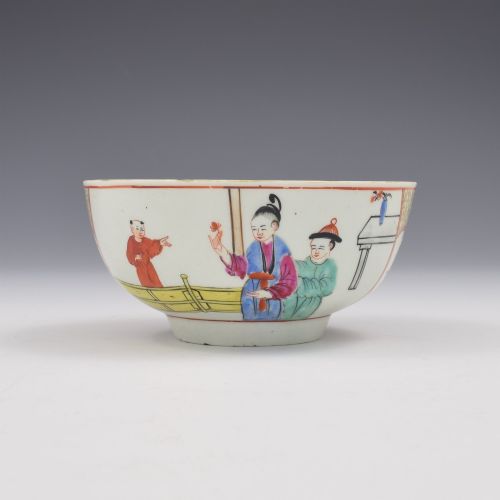
The aesthetic bridges domestic English pottery traditions with decorative influences from Chinese export porcelain and continental European factories. Pieces display everything from delicate blue and white transfer prints to richly enamelled polychrome scenes with gilt accents.
Materials and manufacture
Makers utilised soft-paste porcelain, a vitreous composition that yielded a warm, milky body and a distinctively smooth glaze when fired. This soft paste allowed for delicate moulding, ribbing, and fluting as seen in spiral designs and moulded chrysanthemum patterns.
Decoration relied heavily on underglaze cobalt blue painting or transfer printing, supplemented by overglaze enamel colours, gilding, and gold leaf. Cobalt glaze created deep blue tones under the vitreous layer, whilst enamel painting introduced vibrant polychrome motifs like Chinese figures, exotic birds, and floral sprays.
Early eighteenth-century tea drinkers often poured tea into their saucers to cool it down quickly before drinking.
Judgments of quality
Excellence in a worcester tea bowl rests upon the crispness of the moulding and the precision of the hand-painted or printed decoration. Pieces featuring intricate details like scale blue grounds, finely delineated figures, and rich gilding sit at the upper end of the scale.
The clarity of the soft-paste body and the smoothness of the glaze also dictate the desirability of an object. Earlier eighteenth-century examples often demonstrate superior potting and artistic execution compared to later industrial output.
Dr Wall Worcester·Chamberlains Worcester·Flight Barr and Barr
The Worcester Tea Bowl Glossary
- Dr Wall Period
- The First Period of Worcester porcelain production, lasting from the factory's foundation in seventeen fifty-one until seventeen eighty-three. It is characterised by soft-paste porcelain bodies and innovative blue and white printing.
- Flight Period
- The era of Worcester porcelain manufacturing under the direction of Thomas Flight from seventeen eighty-three to seventeen ninety-two. During this time, the factory introduced refined classical shapes and sophisticated gilding.
- Soft-Paste Porcelain
- An artificial ceramic body composed of white clay, glass, and ground frit, fired at lower temperatures than hard-paste porcelain. This material creates a characteristic translucent appearance and a softer texture.
- Slop Bowl
- A large bowl used during tea service to discard leftover tea leaves and dregs before pouring a fresh cup. These bowls match the decorative patterns of the tea bowls and saucers.
- Scale Blue
- A rich, dark blue underglaze pattern resembling fish scales, filled into compartments and usually edged with gilding. It is a hallmark of high-quality eighteenth-century Worcester decoration.
Worcester Tea Bowl: Frequently Asked Questions
How do I date a worcester tea bowl?
Dating relies on identifying factory marks, stylistic periods, and material characteristics such as the presence of soft-paste porcelain. Early pieces often feature workman's marks or open crescent stamps beneath the glaze.
Later Regency examples from firms like Flight, Barr and Barr introduce distinct printed script marks and neoclassical shapes. Comparing the painting style and border patterns to documented pieces helps narrow down the decade of production.
What is the difference between a tea bowl and a teacup?
Traditional eighteenth-century tea bowls were produced without handles, designed to be held in both hands to warm the palms during tea drinking. Teacups with handles began to appear more commonly towards the end of the century as dining habits evolved.
Both forms were typically manufactured alongside matching saucers to create functional drinking sets. Many collectors specifically seek out handleless tea bowls for their authentic Georgian aesthetic.
How were these bowls used historically?
These vessels were employed in formal domestic settings for the consumption of expensive imported tea, a luxury beverage in Georgian society. Tea bowls sat alongside teapots, milk jugs, and slop bowls on tea tables during social gatherings.
Hot water was poured from a kettle into the tea bowl to steep the leaves or dilute concentrated brew. The accompanying saucer served to catch drips and occasionally functioned as a cooling vessel for the tea.