
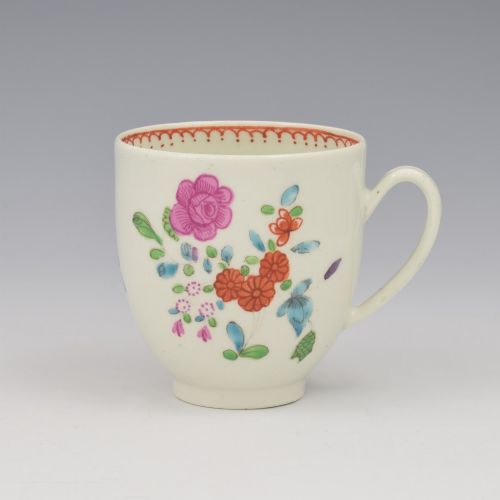
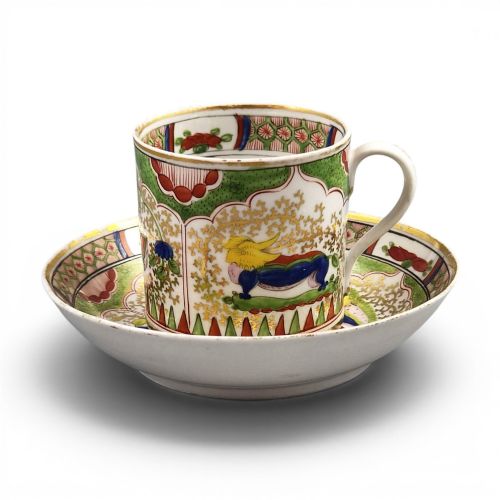


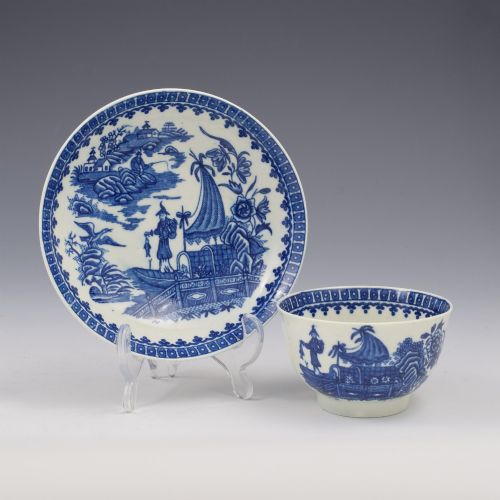


Worcester Porcelain Cup
Choosing a worcester porcelain cup brings centuries of English ceramic artistry to the table, offering finely painted motifs and delicate potting.
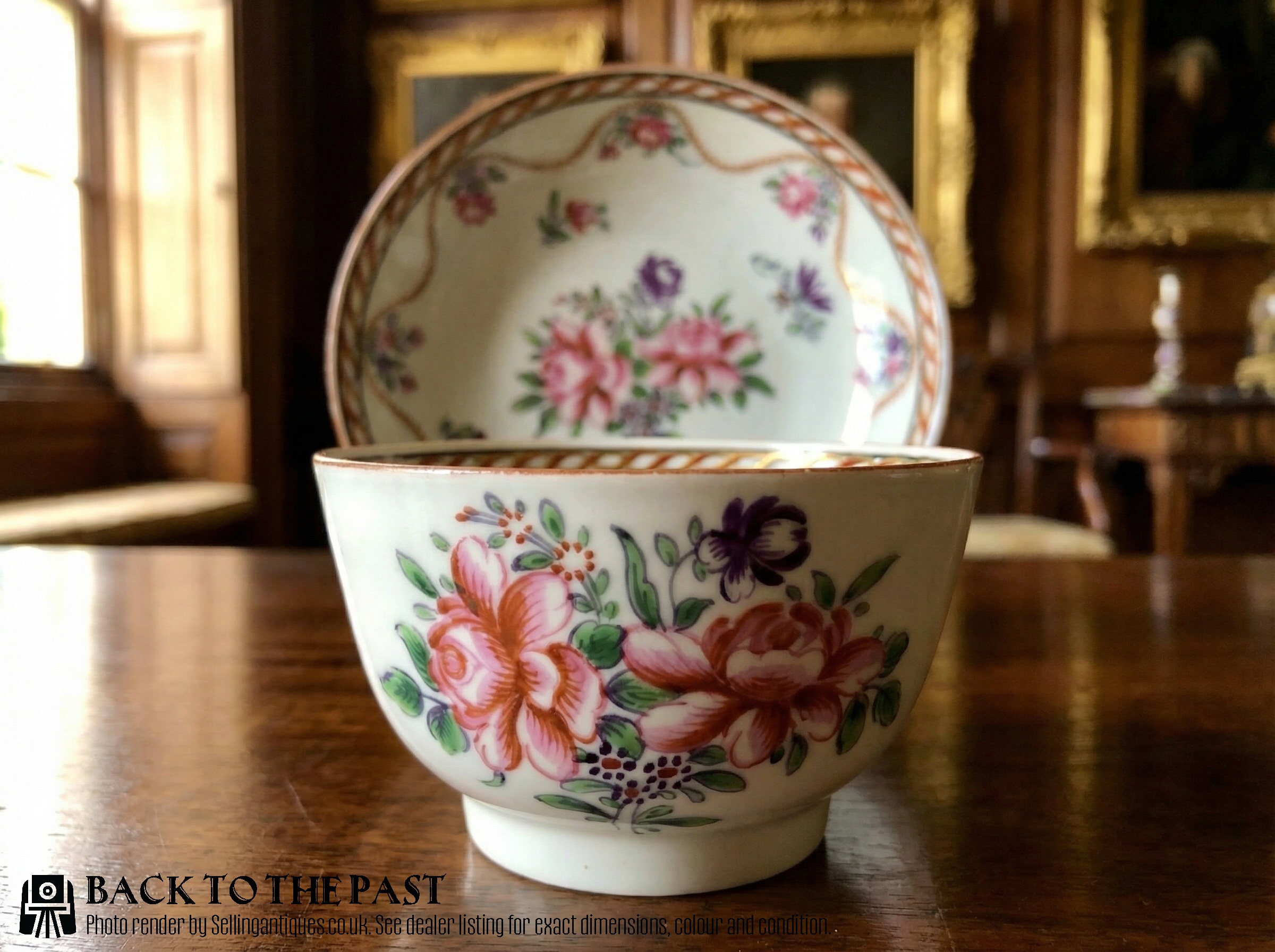
Worcester Porcelain Cup
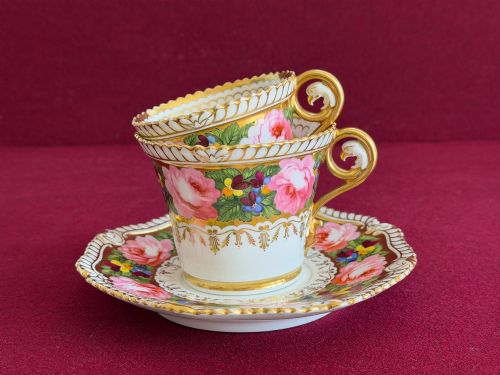
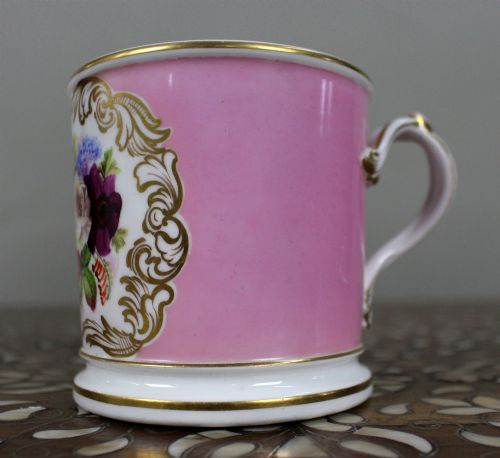
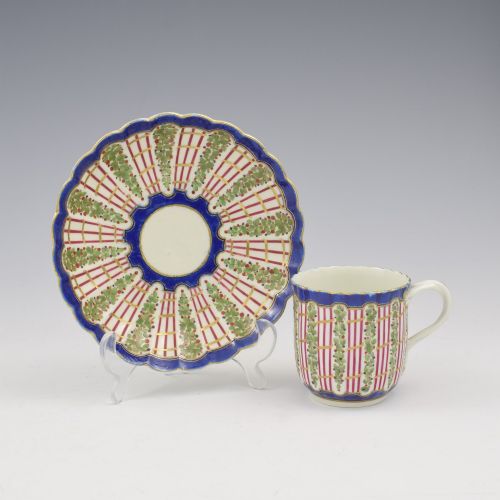
A worcester porcelain cup encompasses tea bowls, coffee cans, chocolate cups, and larger loving cups produced across multiple centuries of English ceramic manufacturing.
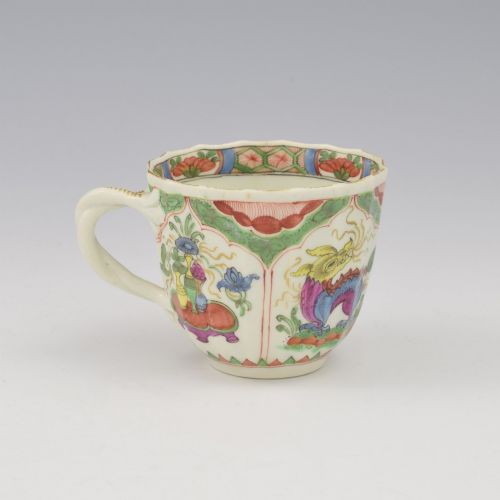
The selections span from eighteenth-century Dr Wall period pieces with hand-painted Chinese figures and blue scale grounds to Regency trios and later Victorian blush ivory wares.
Buyers encounter forms ranging from fluted coffee cups with saucers to twin-handled caudle cups and miniature tygs.
How They Were Made
Potters utilised soft-paste porcelain and bone china, shaping vessels on wheels or within moulds before applying underglaze blue, enamel colours, and gold leaf gilding.
Early eighteenth-century pieces often display transfer printing or delicate hand-painted polychrome motifs, while later nineteenth-century examples incorporate rich ground colours and raised gilding.
Miniature tygs and tiny coffee cups prove that miniature drinking vessels have charmed collectors for centuries.
What Varies in Quality
The standard of painting defines the division between ordinary production and exceptional cabinet pieces, particularly in intricate subjects like fancy birds and armorial crests.
The crispness of moulding, stability of the glaze, and preservation of delicate gilt details determine the overall merit of individual vessels.
Flight Barr and Barr·Chamberlain Worcester·Royal Worcester·Hadley Worcester
The Worcester Porcelain Cup Glossary
- Tea bowl
- A handleless cup used for drinking tea during the eighteenth century before teacups with handles became common.
- Coffee can
- A straight-sided cylindrical cup designed specifically for serving coffee in the Georgian and Regency periods.
- Soft-paste porcelain
- An artificial ceramic body composed of clay, glass frit, and ground minerals, fired at lower temperatures than hard-paste porcelain.
- Caudle cup
- A two-handled vessel traditionally used for serving warm spiced drinks to invalids or guests.
- Blue scale
- A dark underglaze blue patterned ground resembling fish scales, frequently reserved with panels of painted birds or flowers.
Worcester Porcelain Cup: Frequently Asked Questions
How do I date a Worcester porcelain cup?
Dating relies on identifying factory marks, paste compositions, and decorative styles associated with specific periods like the eighteenth century or the Regency era.
Changes in shape, such as the transition from handleless tea bowls to handled coffee cans, also help narrow the production window.
What is the difference between a tea bowl and a teacup?
Tea bowls are small, handleless vessels derived from Chinese porcelain imports, used widely in the eighteenth century.
Teacups feature applied handles and emerged later as tea-drinking habits and social rituals evolved.
Can I use antique Worcester cups for daily tea?
Soft-paste porcelain and early nineteenth-century china are structurally fragile and sensitive to thermal shock from boiling liquids.
Collectors generally preserve these pieces for display or gentle special occasions rather than everyday use.
Why do some cups have saucers without matching patterns?
Factory production methods and historical domestic usage sometimes led to the pairing of cups and saucers from similar decorative families.
Many surviving sets have been assembled over time by collectors seeking complementary aesthetics.