


Pink Floral Saucer
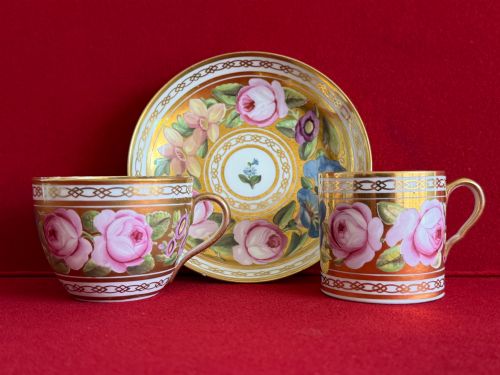
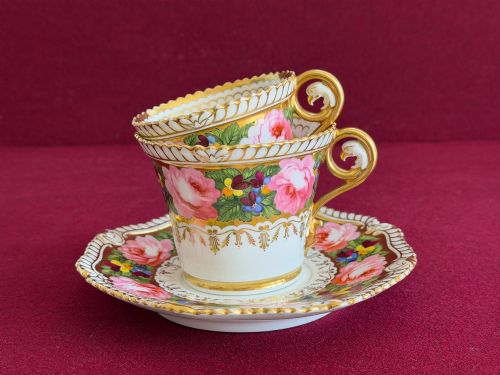
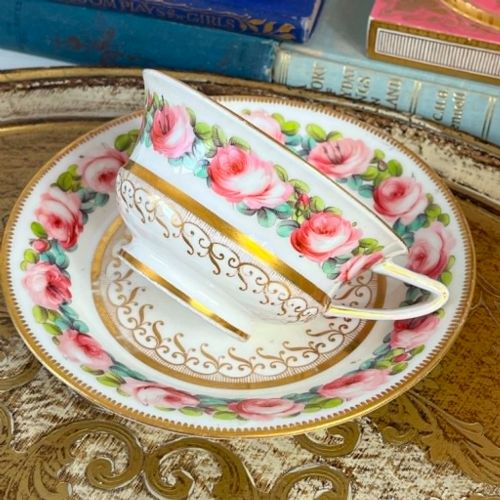
These pink floral saucer pieces are delicate tea wares featuring handpainted blooms, sought after for their colour and cabinet display.
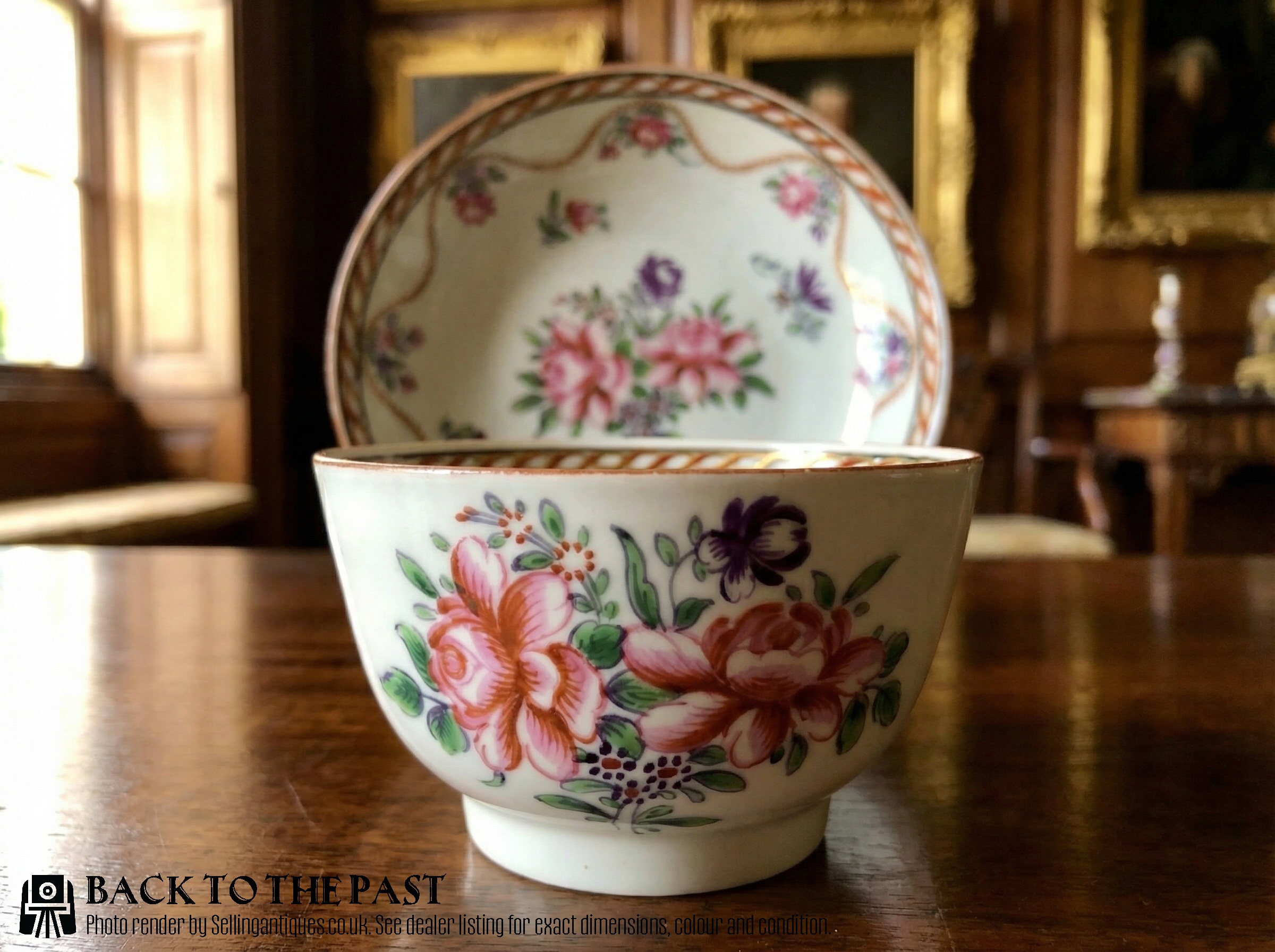
Pink Floral Saucer
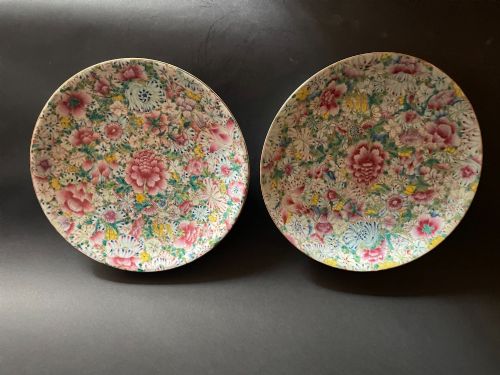
When you search for a pink floral saucer, you are looking at small ceramic tea wares painted with botanical motifs, often featuring roses or famille rose designs. The examples found here span from the eighteenth century through the Regency period and into the twentieth century.
Most pieces you encounter combine cups with their matching saucers, sometimes offered as trios or cabinet cups. Their forms include traditional teabowls, demitasse cups, and decorative plates originating from English potteries and Chinese export wares.
Judging quality and finish
Quality in a pink floral saucer rests upon the precision of the handpainted brushwork and the delicacy of the ceramic body. Pieces with detailed botanical studies, such as handpainted cabbage roses, show superior artistry compared to simpler printed designs.
The integration of gilt decoration and the condition of the enamel layers further distinguish finer cabinet pieces from utilitarian wares.
Chamberlain Worcester·Davenport·Coalport·Worcester·Spode Copeland·Royal Worcester·Sutherland Ware
The Pink Floral Saucer Glossary
- Demitasse
- A small cup used for serving strong black coffee or espresso. These companions to saucers often appear in twentieth-century productions.
- Teabowl
- A handleless drinking vessel used before the widespread adoption of teacups with handles. Eighteenth-century examples form part of matching saucer sets.
- Famille Rose
- A palette of opaque enamels dominated by pink or rose colours, introduced in Chinese ceramics. Export pieces display this distinctive floral style.
- Trio
- A matched set consisting of a teacup, coffee cup, and saucer. Regency and Georgian makers produced these for formal tea service.
Pink Floral Saucer: Frequently Asked Questions
What is a pink floral saucer?
A pink floral saucer is a ceramic dish designed to accompany a teacup, decorated with botanical motifs in pink enamel or rose colours. These items range from eighteenth-century teabowls to Regency trios and later demitasse sets.
They appear across various periods including Georgian, Regency, and the early twentieth century, reflecting the shifting styles of English and Chinese export potteries.
How were these pieces used?
These pieces formed part of tea and coffee services used for dining and social gatherings in domestic interiors. Cabinet cups and decorative plates also served as display items in formal rooms.
Their varied forms, from teabowls to demitasse cups, accommodated different hot beverages throughout the Georgian and Victorian eras.
How do I date a saucer?
Dating relies on identifying the ceramic body, such as soft-paste porcelain versus bone china, and recognising period styles like Regency or Chinese Export. Factory marks and handpainted techniques provide further chronological clues.
Comparing the style of the floral painting to known factory periods helps narrow down the decade of production.
Can I use them for tea?
While historic ceramics can hold liquids, antique and eighteenth-century pieces are delicate and often reserved for display or careful collection. Enamel and gold leaf decorations require gentle handling.
Most buyers keep these items in cabinets or use them sparingly to preserve the fragile porcelain and handpainted surfaces.