


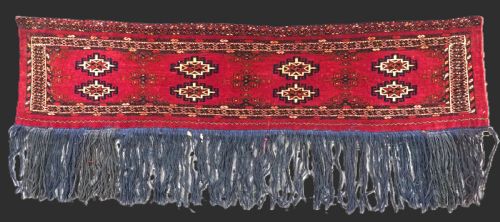

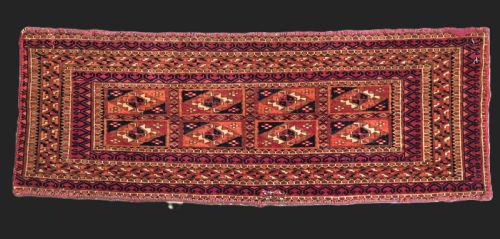


Wool Turkmen Bag
When you search for a wool turkmen bag, you encounter tribal utility pieces created for nomadic life across Central Asia.
Wool Turkmen Bag
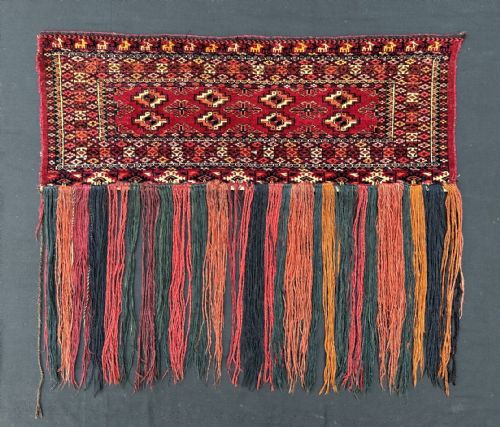
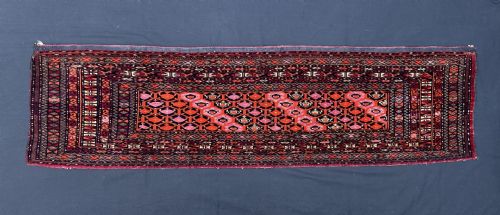
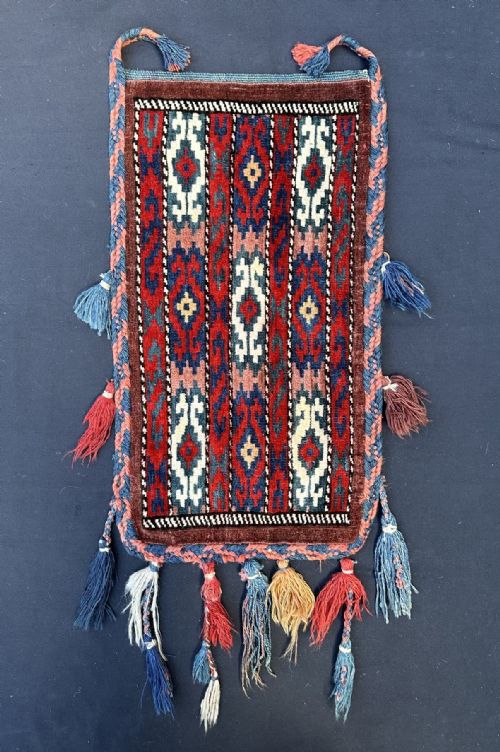
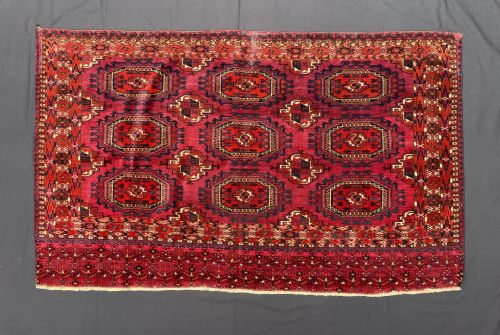
A wool turkmen bag encompasses functional nomadic storage woven across the nineteenth and early twentieth centuries by tribal groups including the Tekke, Yomut, Saryk, and Ersari. These items served practical domestic purposes inside tents and during migrations, functioning as grain sacks, bedding bags, and small utility pouches.
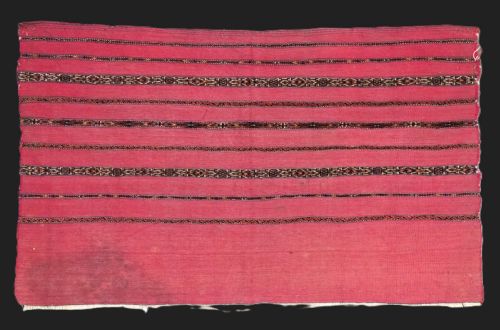
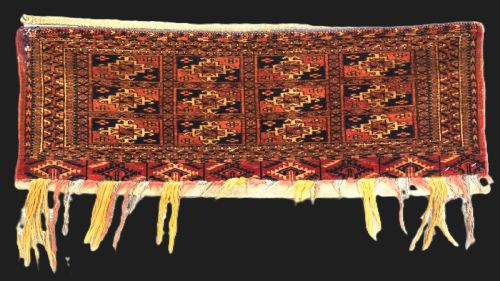
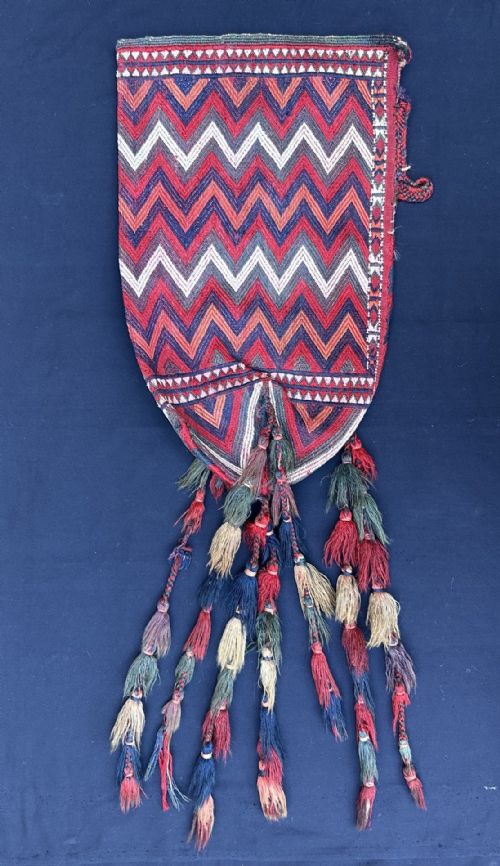
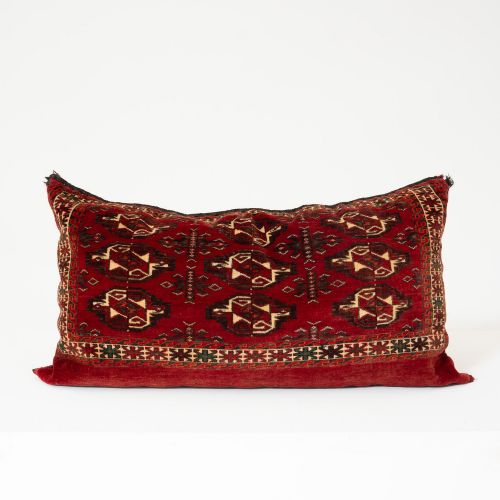
The selections on this page appear in various specific formats such as torba, chuval, kap, and spindle-bags. Many survive as singular bag faces separated from their original plain weave backs, though complete examples with original backs and closures also remain present in the inventory.
Tribal weavers from different regions utilised distinct structural layouts and tribal motifs, ranging from the repetitive guls of Tekke pieces to the stepped lattices of Yomut weaving. These textiles document the applied art traditions of Central Asian steppes and oases from the 1850s through to the 1920s.
Materials and construction methods
The construction relies primarily on hand-spun wool and cotton foundations, incorporating natural dyes to achieve deep reds, browns, ivories, and dark indigos. Certain pieces integrate silk highlights or supplementary embroidery to accentuate specific design elements.
Weavers employed dense knotting techniques on wool warps andwefts, creating durable surfaces designed to withstand the physical demands of nomadic existence. Flatweave techniques and pile construction frequently combine within single storage pieces, particularly in mafrash and torba formats.
Wool Turkmen Bag Retail Price Guide 2026
Typical asking prices for wool turkmen bag among the pieces listed under this phrase on Sellingantiques today, from the lower quarter to the upper quarter. They describe what is for sale here now, not the wider market.
Distinctions in quality and execution
Quality varies according to knot density, handling of the pile, and the precision executed in drawing tribal guls. Finer weaves demonstrate meticulous control over the wool foundation, resulting in crisp delineation of geometric motifs and secondary ornaments.
The vibrancy and depth of natural dyes create visual distinction between standard utility items and masterwork tribal weaving. Pieces retaining complete original backs and intact side cords display higher preservation levels than isolated bag faces.
The Wool Turkmen Bag Glossary
- Torba
- A small horizontal storage bag used inside the Turkmen tent for household possessions. These pieces typically feature repeated tribal guls along the main field.
- Chuval
- A large tent bag utilised for storing bedding and heavy woolen items during migrations. They frequently display multiple rows of major primary guls.
- Gul
- The primary medallion or octagonal motif repeated across Turkmen carpets and bags. Each tribal group traditionally utilised distinctive gul variations to signify lineage.
- Kap
- A general designation for a Turkmen bag or covered container used in nomadic daily life. These objects held various domestic provisions inside the felt tent.
- Mafrash
- A rectangular storage container or mattress bag, often woven in flatweave or mixed techniques. Pairs of these bags rode on either side of a camel during moves.
- Kezdebe
- A wedding procession design featuring camel furniture and decorative trappings. This intricate pattern appears frequently on Saryk and Tekke torba faces.
Wool Turkmen Bag: Frequently Asked Questions
What were these bags used for?
Nomadic families utilised these woven containers for storing grain, clothing, bedding, and smaller personal possessions inside the yurt. Their sturdy construction protected contents from dust and dampness during seasonal migrations across the steppes.
Larger formats hung against tent walls or rode upon pack animals, while smaller pouches accommodated specialised tools like spindle equipment and personal items.
How do I identify different tribal groups?
Attribution relies heavily on the specific primary guls, secondary motifs, and overall colour palette employed in the weaving. Tekke pieces often feature precise octagonal guls on red grounds, whereas Yomut weaving displays diagonal arrangements and hooked motifs.
Saryk and Ersari examples introduce alternative proportions and border layouts unique to their specific oasis settlements and tribal traditions.
Are bag faces different from complete bags?
Many surviving examples consist solely of the decorative pile-woven face, with the plain weave back having worn away or been intentionally removed over time. Complete pieces retain their original wool or flatweave backs, side cords, and sometimes closing flaps.
Both forms are collected, though complete bags with original structural components offer a more comprehensive view of the original object.
How should I care for a wool bag?
Display these textiles away from direct sunlight to protect natural dyes from fading over extended periods. Gentle vacuuming through a mesh screen helps remove dust without damaging the antique wool pile.
Professional textile conservation methods should be consulted for any structural repairs or cleaning requirements.