
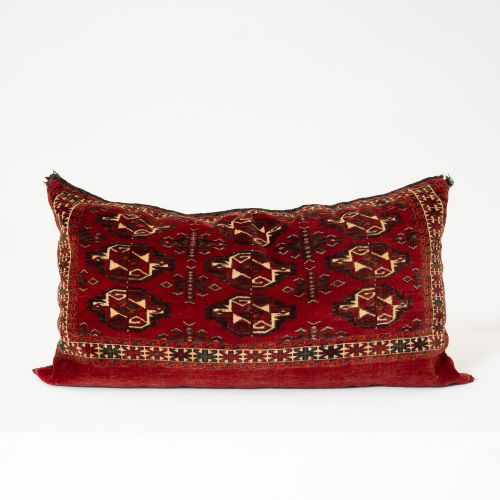

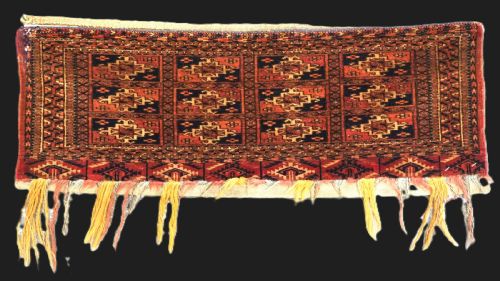


Wool Tribal Cushion Cover
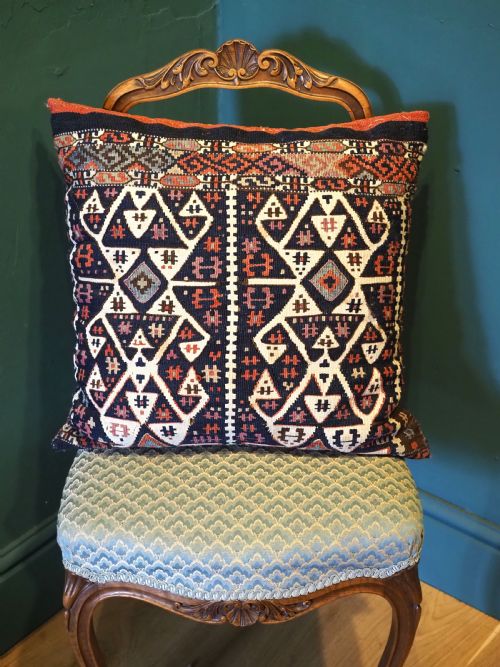
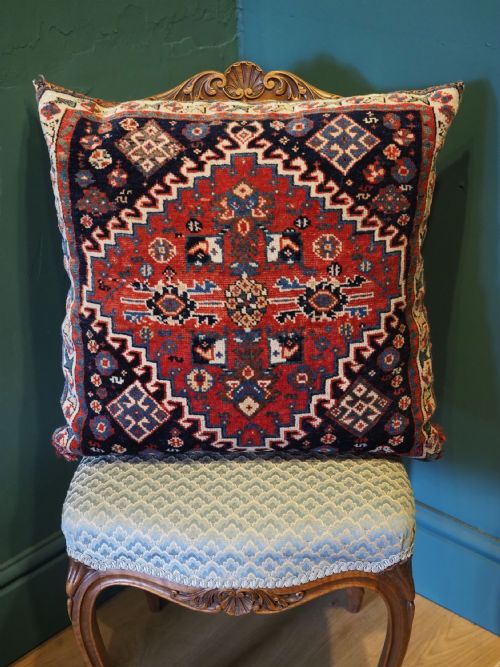
These wool tribal cushion cover examples bring nineteenth and early twentieth-century nomadic weavings into modern interiors as tactile seat cushions and decorative pillows.
Wool Tribal Cushion Cover
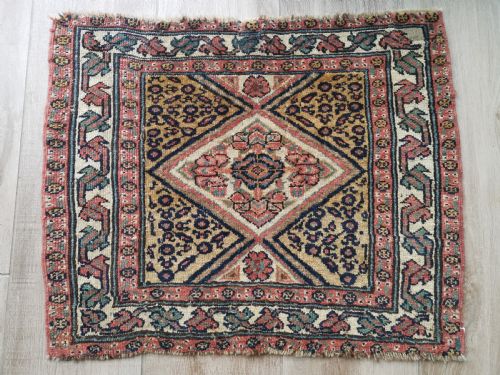
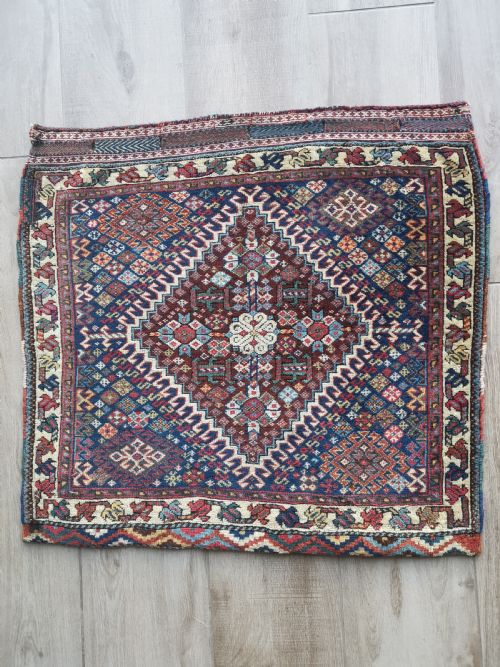
A wool tribal cushion cover typically utilises salvaged fragments of antique nomadic weavings, most commonly converted saddle bags, bag faces, torbas, chuvals and kilims originating from Persian, Anatolian and Turkmen tribes. The selection ranges from nineteenth-century Shahsavan soumac saddlebags and Qashqai bagfaces to early twentieth-century Baluch and Tekke Turkmen storage bag conversions.
Makers adapted utilitarian tribal containers originally woven for transport and storage, turning durable panels into practical cushions by adding fabric backs and stuffing. Buyers encounter various regional styles, including Heriz, Khamseh, Afshar, Yomut and Ersari designs, reflecting distinct nomadic weaving traditions.
What varies in quality
The quality depends on the integrity and fineness of the original tribal weaving, distinguished by the tightness of the knotting or flatweave density and the clarity of the geometric motifs. Superior examples display sophisticated natural dye variations, balanced proportions and well-preserved structural integrity in the aged wool.
The craftsmanship of the conversion influences overall success, particularly how sensitively the antique textile face integrates with the added backing material and support structure.
Nomadic weavers originally packed these bags onto camels and horses before they found new life as sofa cushions.
Tekke Turkmen·Qashqai·Baluch·Shahsavan·Yomut
The Wool Tribal Cushion Cover Glossary
- Bagface
- The decorative front panel of a nomadic storage bag or saddlebag. This portion usually displays the primary tribal design and finer weaving quality.
- Gul
- A medallion or repeated octagonal motif characteristic of Turkmen and other Central Asian tribal weaving traditions. Each design often signifies a specific tribe or clan grouping.
- Soumac
- A flatweave technique utilising a wrapping stitch over warp threads. This method creates a textured surface resembling embroidery and adds structural strength.
- Torba
- A small nomadic storage bag traditionally used inside a tent for bedding or personal items. These rectangular pieces frequently feature distinctive banded designs or guls.
- Chuval
- A large Turkmen tent-storage bag used for woolens and household goods. Surviving fragments often become substantial decorative cushions.
Wool Tribal Cushion Cover: Frequently Asked Questions
What is a tribal bag face cushion?
A tribal bag face cushion is made by repurposing the decorative front panel of an antique nomadic storage container into a cushion. These pieces preserve historical weaving traditions for domestic display.
They combine authentic nomadic artistry with functional comfort, making them suitable for chairs or sofas.
How do I care for antique wool cushions?
These cushions require gentle maintenance, primarily light vacuuming with a low suction attachment to remove dust. Professional textile cleaning is recommended for heavier attention.
Keeping them out of direct sunlight prevents natural dyes from fading over time.
Are these covers made from original antique textiles?
The listings feature genuine nineteenth and early twentieth-century nomadic weavings converted into cushions. These textiles originated as functional saddlebags, torbas and kilims.
Makers utilise authentic fragments rather than modern reproductions to create each piece.
How can I identify different tribal designs?
Tribal designs vary by region, with Turkmen groups often displaying repeating guls and Persian tribes favouring geometric boteh patterns or striped flatweaves. Examining the colour palette and construction offers clues to origin.
Regional weaving techniques and wool characteristics further distinguish one tribe from another.