




Fars Province Rug
When seeking a fars province rug, buyers find woven tribal textiles originating from South-West Persia.
Fars Province Rug
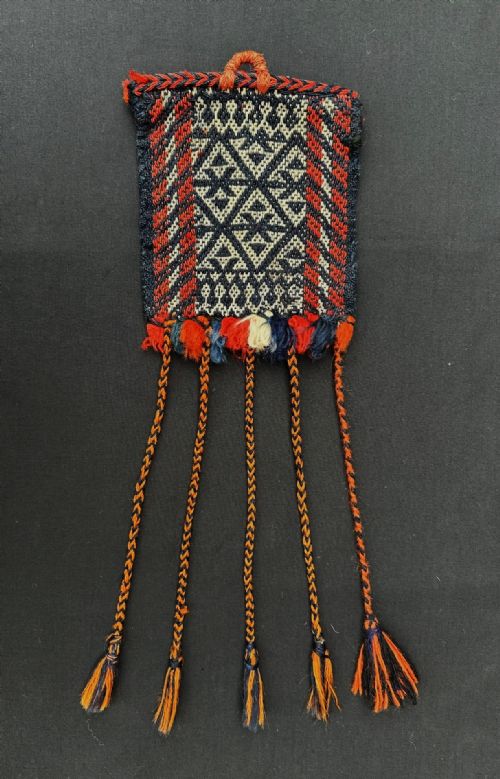
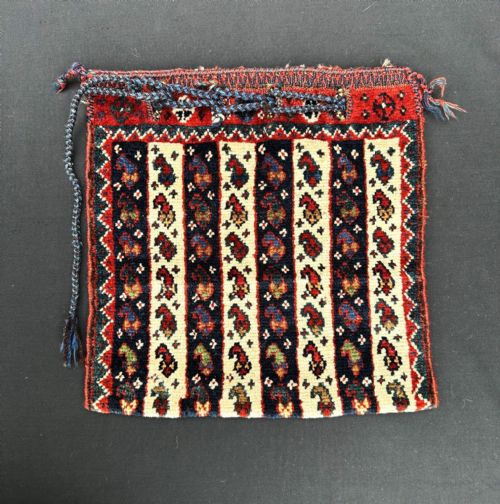
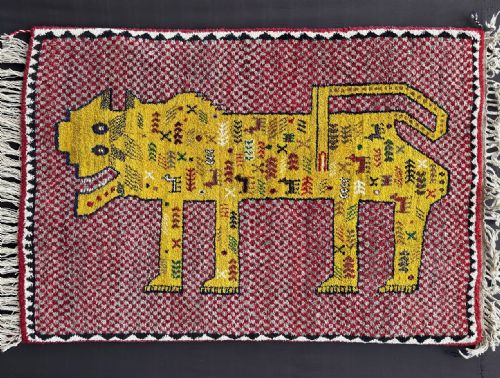
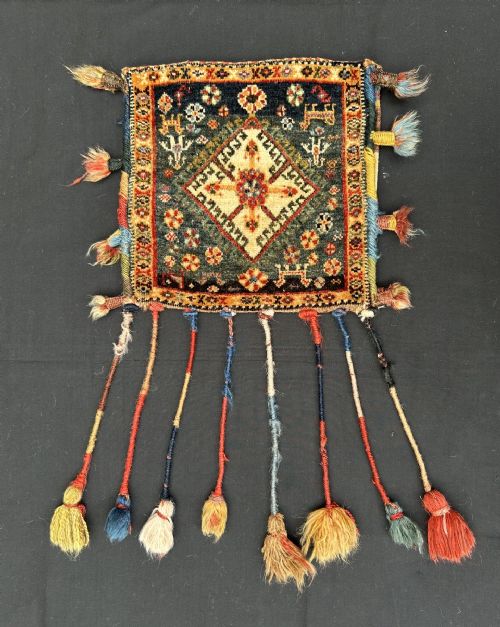
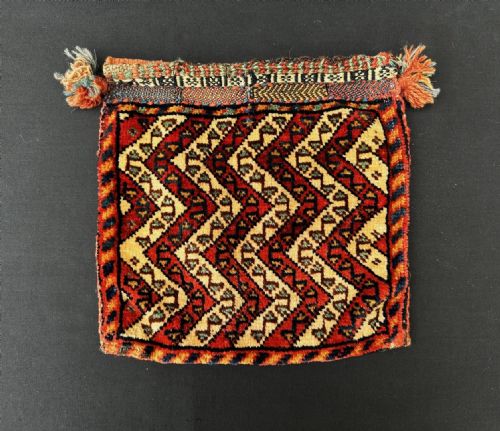
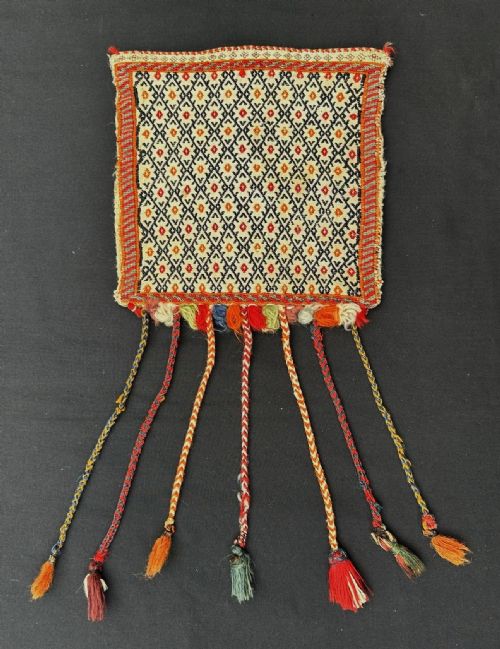
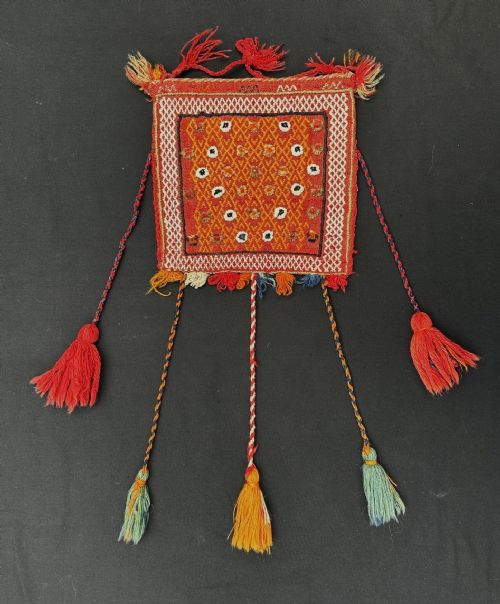
A fars province rug encompasses woven works created by tribal confederacies such as the Qashqai and Khamseh in South-West Persia. These pieces include floor coverings, flatweaves, and smaller utilitarian containers like vanity bags and saddlebags.
The objects stem from nomadic and semi-nomadic groups operating across specific sub-tribes and tayefeh, recording a distinct regional heritage. Examples range from structured rugs to functional wall hangings and storage bags.
Most items encountered on this page date from the late nineteenth century up to the mid-twentieth century, preserving the traditional motifs of the region.
Materials and construction
The textiles rely heavily on wool and hand-spun wool foundations, frequently paired with cotton elements in the structural weaves. Natural dyes impart the characteristic palette seen across the tribal pieces.
Certain functional items incorporate supplementary materials like leather and wood, particularly within structural components of bags or cradles. These tactile elements reflect the practical demands of nomadic life.
Keep an eye out for rogue lions woven into wool, because even nomadic sheep needed supervision from mythical beasts.
Variations in quality
Quality rests upon the fineness of the spin and the handling of natural dyes, which determine the depth of the textile's colour. Tighter knotting and precise execution of tribal motifs distinguish superior examples.
The integrity of the wool and the preservation of original edges and tribal structures further separate standard items from exceptional survivals.
The Fars Province Rug Glossary
- Tayefeh
- A sub-tribe or clan unit within a larger tribal confederacy. This term frequently appears in attributions denoting the specific group responsible for weaving a textile.
- Gabbeh
- A thicker, more loosely knotted tribal rug featuring open fields of colour. These pieces often display minimalist figurative designs created by nomadic weavers.
- Kilim
- A flatwoven textile produced without a pile. These pieces serve as covers, bags, or decorative hangings.
- Moj
- A traditional patterned coverlet or blanket woven by tribal groups in the region. They display distinctive bands of geometric patterning.
- Confederacy
- An alliance of various tribes and sub-tribes operating within a shared geographic region. The Qashqai and Khamseh are primary examples represented in these textiles.
Fars Province Rug: Frequently Asked Questions
How were these bags used?
Tribal groups utilised small bags and storage containers for practical transport during seasonal migrations. Items such as vanity bags, salt bags, and saddlebags held personal possessions or provisions.
Over time, these utilitarian objects became valued for their portable artistry and concentrated tribal designs.
How do I identify a Qashqai piece?
Qashqai textiles typically display characteristic geometric medallions, animal motifs, and rich natural dye palettes. Attributions often reference specific sub-tribes or tayefeh within the confederacy.
Examining the weave structure and wool quality helps connect a piece to South-West Persia.
Where do these rugs originate?
These pieces originate from the Fars province in South-West Persia, an area historically inhabited by nomadic confederacies. The regional environment and tribal traditions shaped the materials and patterns.
Local weavers utilised locally sourced wool and natural dyestuffs unique to the landscape.
How should I care for a tribal textile?
Protect antique wool textiles by avoiding direct sunlight and utilising breathable rug underlays. Gentle vacuuming without a rotating brush helps maintain the integrity of the pile.
Professional cleaning tailored to antique carpets preserves the natural dyes and fibres.