




Wool Pile Carpet
A wool pile carpet brings warmth and texture to a room, offering deep colour and resilient tribal patterns.
Wool Pile Carpet
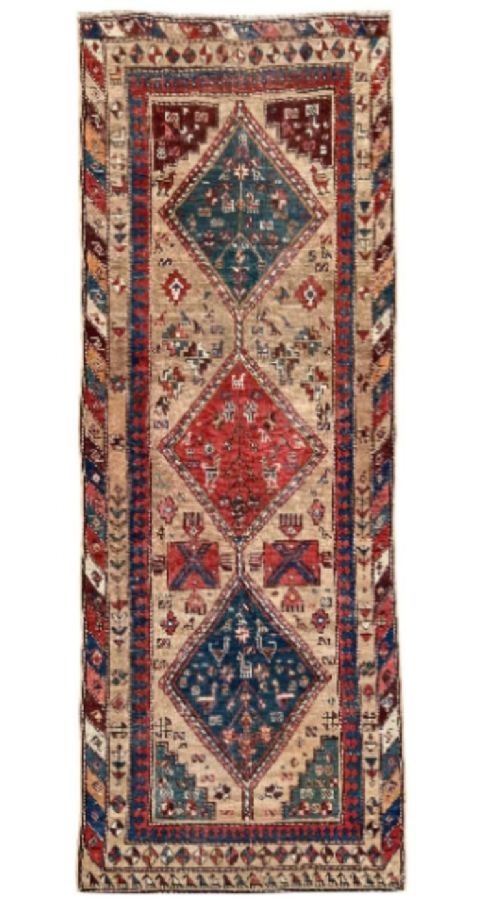
A wool pile carpet encompasses a range of floor coverings and nomadic textiles created across the nineteenth and early twentieth centuries. These pieces originate from Persian, Anatolian, Caucasian, and Central Asian regions, showcasing traditional tribal designs.
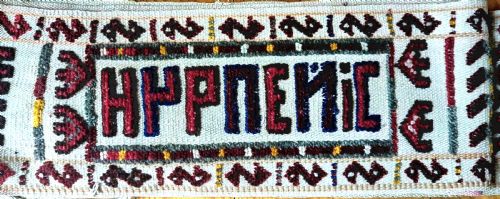
Buyers encounter formats spanning long hallway runners, tent bands, asmalyks, and sizable Persian carpets. The selection on this page relies heavily on rugs produced by nomadic and village weavers from the eighteen-eighties through to nineteen-thirty.
The enduring appeal of a wool pile carpet lies in its dense, tactile surface and the rich variety of regional motifs, such as Yomut guls or Qashqai field patterns. Each item reflects the distinct heritage of its weaving community.
Materials and construction
Makers constructed these textiles utilising spun wool for the thick pile and cotton for structural foundations such as warps and wefts. Artisans dyed yarns with natural colourants, producing rich, enduring tones that age gracefully.
Weavers knotted the wool pile by hand onto supporting foundations, occasionally combining technique with plain weave backs or assembling narrow strips together to form larger pieces.
Assessing quality
Quality rests in the density of the wool pile and the integrity of the structural weave. Pieces featuring an abundant, thick pile retain their tactile richness and handle heavy foot traffic with greater resilience.
The complexity and precision of tribal designs, alongside the vibrancy of natural dyes, elevate certain works. Superior examples maintain intact edges and tassels, reflecting careful preservation over generations.
The Wool Pile Carpet Glossary
- Pile
- The upright yarn loops or ends that form the soft, upper surface of a carpet. This layer provides both warmth and cushioning underfoot.
- Asmalyk
- A pentagonal trapping traditionally used on wedding camels among Turkmen tribes. These pieces display intricate geometric guls.
- Gul
- A repeating medallion motif often associated with Turkmen and Central Asian tribal weaving. Each design identifies a specific tribe or clan.
- Tegeric
- A piled tent band woven by Kyrgyz nomads for interior architectural decoration. These narrow fragments serve as structural and ornamental borders.
- Julkyrs
- A long-pile sleeping rug produced by Uzbek weavers, sometimes constructed from multiple woven strips. The name translates roughly as bear-skin.
Wool Pile Carpet: Frequently Asked Questions
How do I clean an old wool carpet?
Vacuum gently using a suction-only attachment without a rotating brush bar to protect the delicate wool fibres and knotted pile. Avoid aggressive mechanical cleaning methods that might loosen the foundation.
For deeper maintenance, consult a specialist experienced in handling antique textiles and natural dyes. Professional washing preserves the structural integrity of the weave.
Can I place these rugs in hallways?
Many examples on this page, including runners and narrow tent bands, suit high-traffic corridors well. Their dense wool construction offers natural resilience against daily wear.
Ensure you use a breathable underlay to prevent slipping and to cushion the textile against hard stone or wooden floors. This simple step extends the working life of the rug.
How are different tribal rugs identified?
Distinctions emerge through characteristic motifs, colour palettes, and knotting techniques specific to regions like Qashqai, Yomut, or Kuba. Specific guls and border patterns point directly to the producing culture.
Examining the materials used in the foundation and the structure of the fringe provides further clues regarding origin and period.
What does full pile condition mean?
Full pile indicates that the upright wool surface remains largely undiminished from its original state. This means the textile retains its dense, cushioning texture across the field.
Such examples display minimal wear on the knots, allowing the original patterns and colour saturation to appear clear and pronounced.