

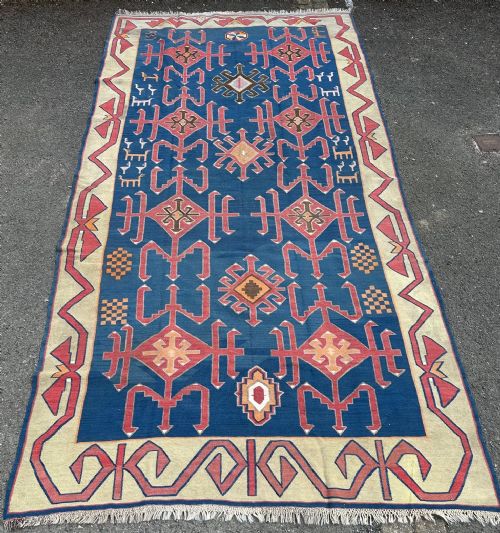


Wool Kilim Carpet
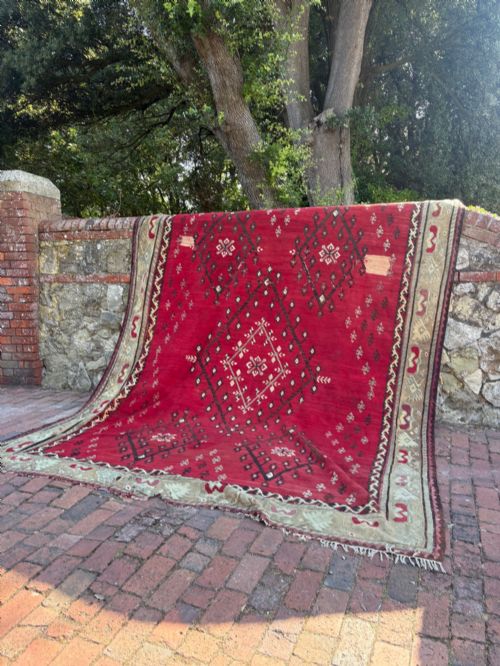
A wool kilim carpet brings the rich, geometric geometry of tribal weaving into a room through flat-woven textiles.
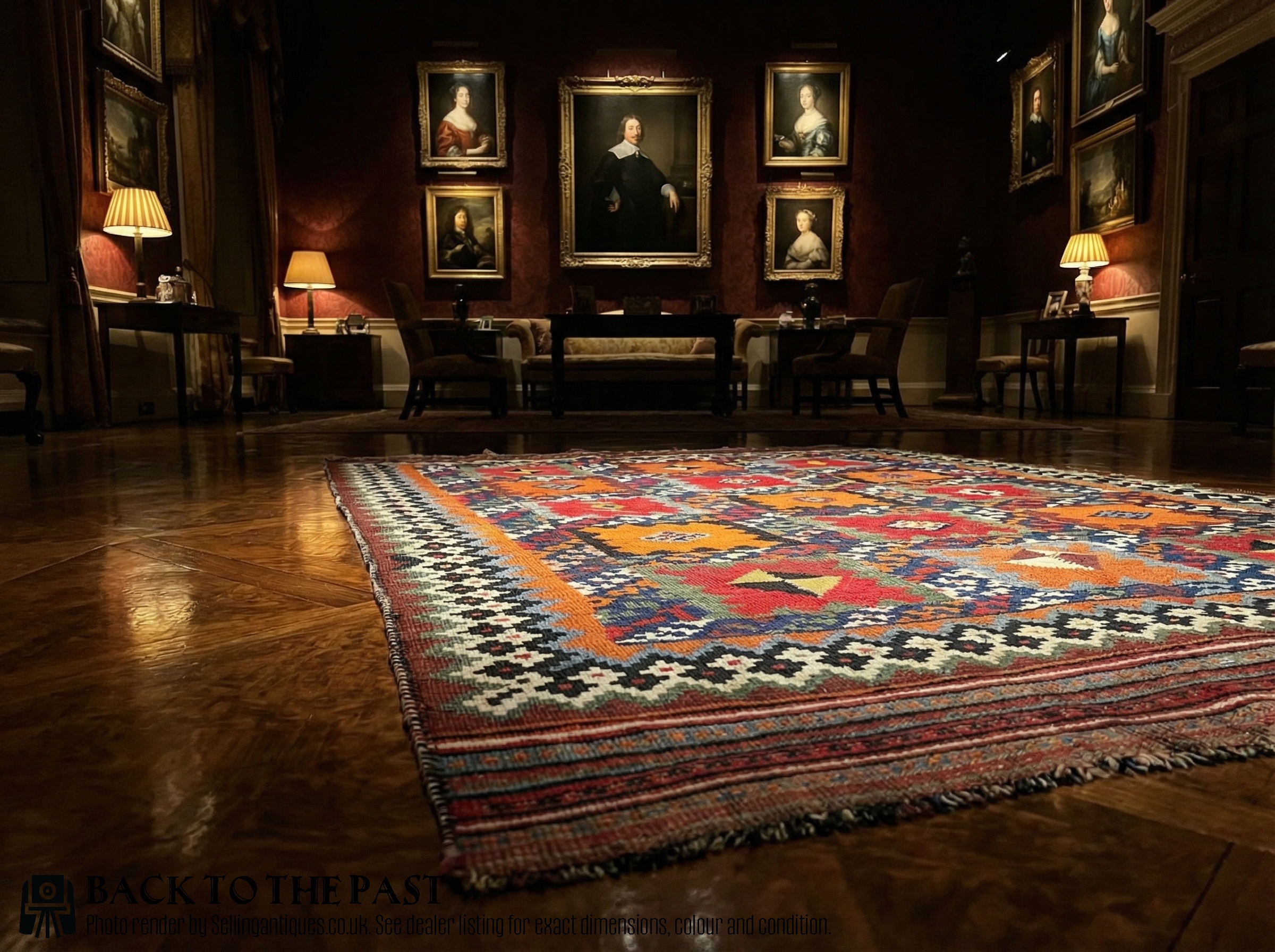
Wool Kilim Carpet
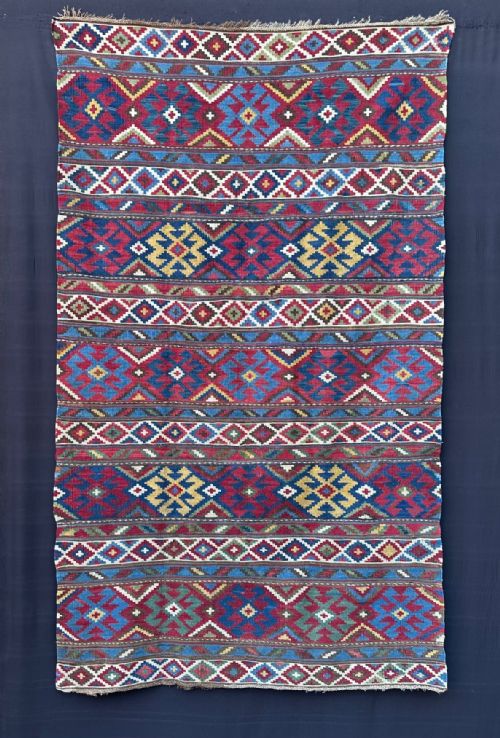
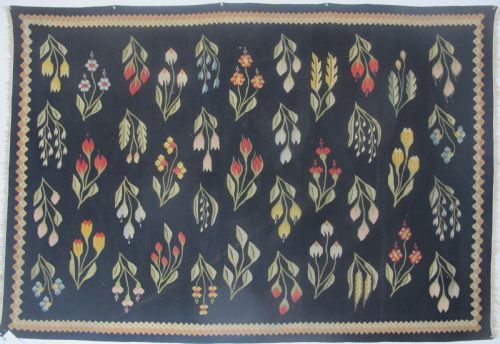
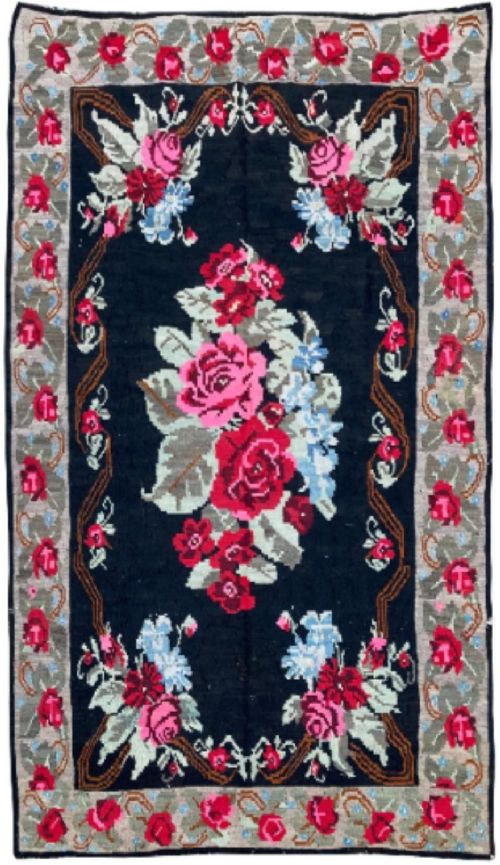
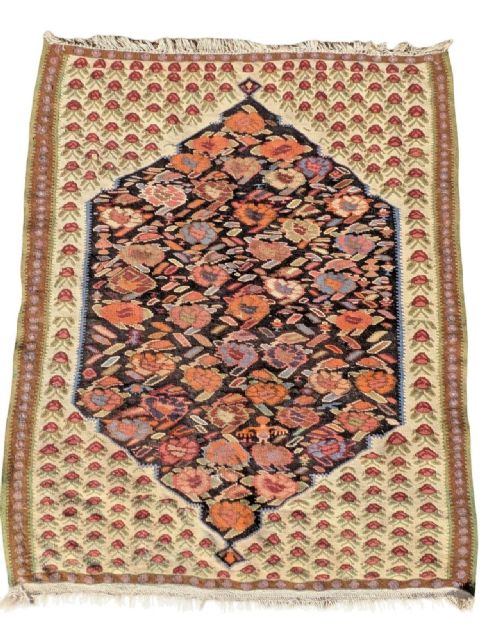
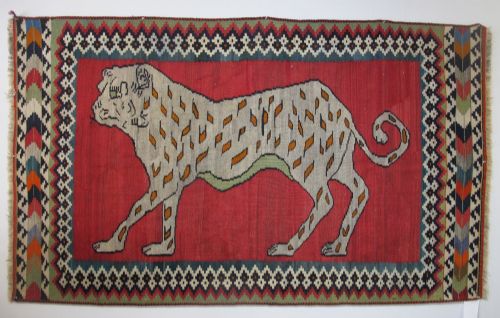
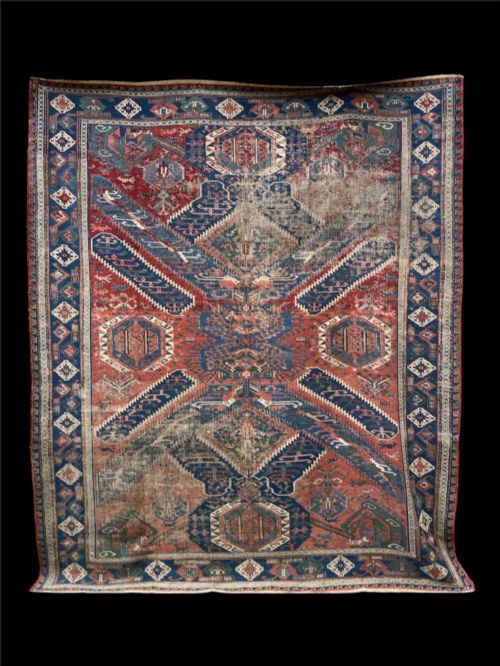
A wool kilim carpet encompasses flat-woven rugs and runners originating from Persian, Caucasian, Anatolian, and Central Asian weaving traditions. Buyers searching for a wool kilim carpet encounter pieces ranging from room-sized room carpets to smaller village runners and tribal panels dating from the nineteenth century into the mid-twentieth century.
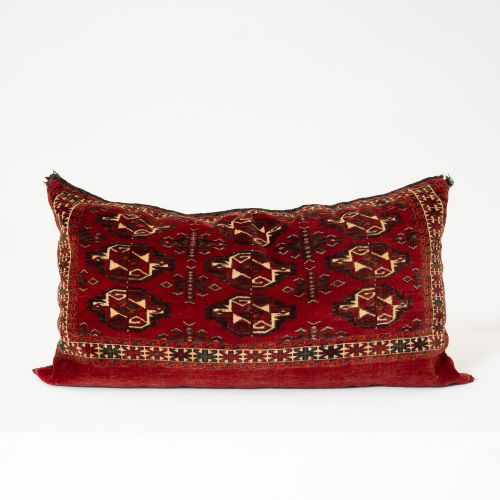
Most examples rely on traditional village and tribal production methods rather than large factory outputs. The forms span from complete storage bags and cushions to expansive carpets designed for domestic living spaces.
Materials and construction
The primary material underpinning these textiles is hand-spun wool, often combined with cotton foundations and natural dyes to achieve deep, variable tones. Weavers built the designs using slit-tapestry and flat-weave techniques, interlacing warp and weft threads without a piled surface.
Certain pieces incorporate supplementary techniques like brocading and soumak wrapping to create raised geometric motifs and textured surface details. Natural dyestuffs yield the characteristic soft faded reds, muted blues, and earthy neutrals seen across the regional groups.
The inventory spans carpets, runners, and wall panels dated from the 1870s through the 1940s, utilising wool, cotton, and natural dyes.
Evaluating the weaving
Quality in these flat-weaves rests on the tightness of the weave and the precision of the geometric or floral layout. Finer thread counts and dense packing of the weft create a more durable textile that maintains its structural integrity over decades of use.
The complexity and crispness of the tribal motifs also distinguish superior examples. Pieces demonstrating skilled colour harmony and balanced proportions command greater attention from collectors.
The Wool Kilim Carpet Glossary
- Kilim
- A flat-woven carpet or rug produced without a pile by tightly interweaving warp and weft strands. This technique creates a lightweight textile suitable for both floors and walls.
- Soumak
- A brocade-like flat-weave technique where extra weft threads are wrapped around the warp yarns. It produces a textured, ribbed surface with increased durability.
- Mafrash
- A traditional tribal storage bag or chest panel, often featuring banded or graphic designs. These panels frequently find new life as small decorative rugs or wall displays.
- Warp
- The stationary vertical threads stretched across a loom before weaving begins. The weft is passed horizontally through these foundational strands.
- Weft
- The transverse threads passed over and under the warp yarns to build the visible pattern. In flat-weaves, the coloured weft completely conceals the underlying warp.
Wool Kilim Carpet: Frequently Asked Questions
How do I care for a vintage flat-weave?
Regular gentle vacuuming without a rotating brush roll helps remove embedded dust and grit. Professional specialist cleaning is recommended when deeper maintenance becomes necessary.
Keeping the textile out of direct, harsh sunlight prevents the natural dyes from fading unevenly over time. Using an appropriate underlay helps secure the rug and reduces friction against the floor.
Where were these tribal textiles produced?
Production centres span across the Caucasus, Anatolia, Persia, and Central Asia. Nomadic tribes and village communities created these pieces for daily domestic use.
Specific regions such as Shirvan, Karabagh, and Qashqai developed distinct visual vocabularies. These local styles reflect the heritage and traditions of the specific weaving groups.
Are these textiles suitable for high-traffic hallways?
Flat-weaves constructed with tightly packed wool and sturdy cotton foundations handle moderate foot traffic well. Narrow runner formats suit hallways and staircases effectively.
Placing a secure non-slip underpad underneath prevents shifting and cushions the fabric against hard floors. Lighter utility pieces benefit from placement in lower-traffic areas to preserve the historic weave.
How can I tell the age of a piece?
Dating relies on examining the characteristics of the wool, the composition of the natural dyes, and the complexity of the regional design. Subtle irregularities in the weave indicate hand-craftsmanship from earlier periods.
Comparative analysis with documented tribal motifs helps narrow down the production era. Structural clues, such as hand-spun yarns and organic dye variations, typically point to nineteenth or early twentieth-century origins.