

Wool Afshar Rug
A wool afshar rug brings tribal Persian character into a room through geometric patterns and rich natural dyes.
Wool Afshar Rug
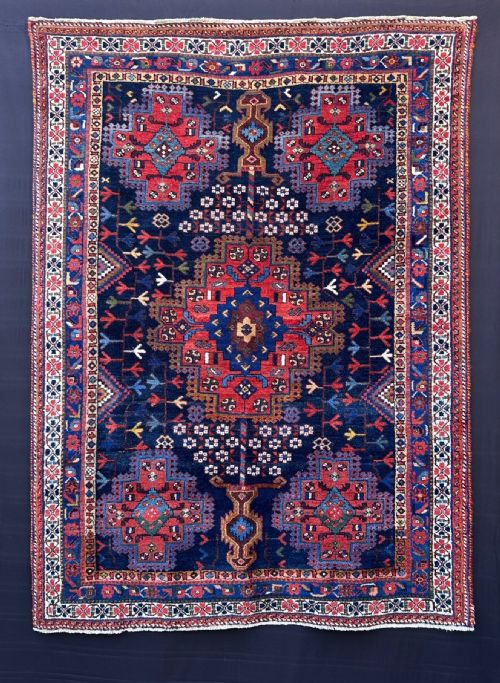
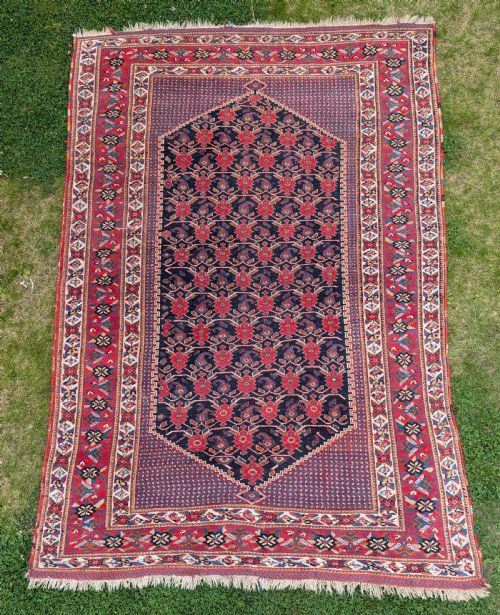
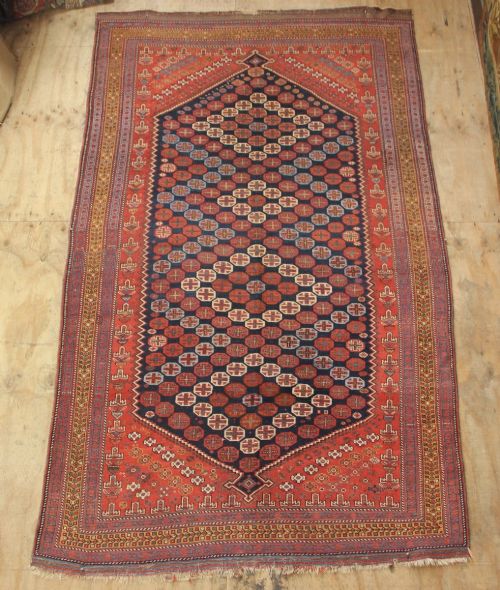
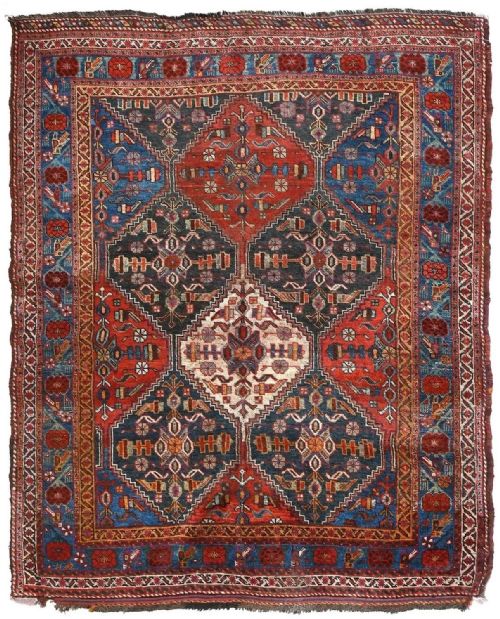
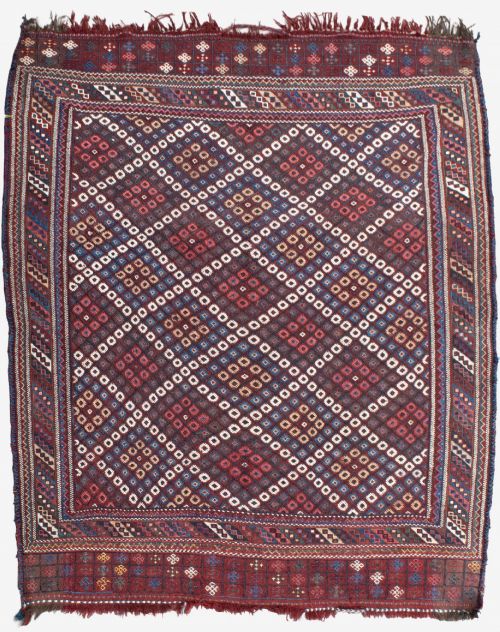
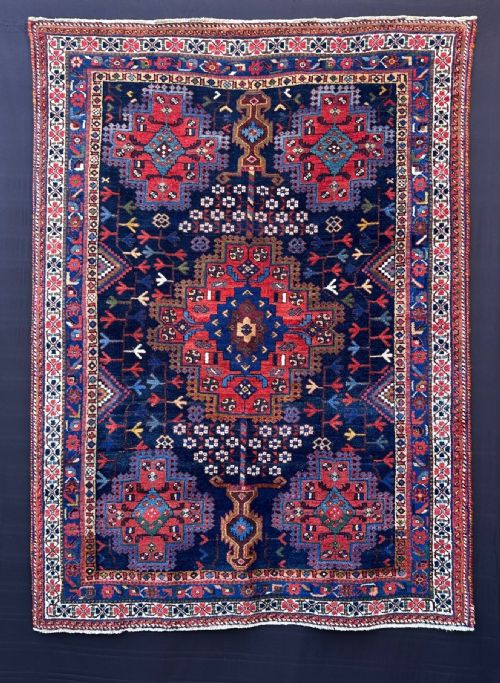
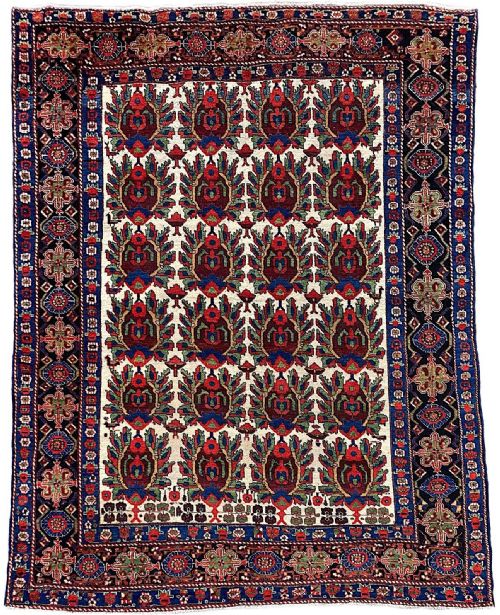
A wool afshar rug originates from the tribal and village weavers of South Persia, particularly associated with the Kerman province, Neiriz region, and Bardsir mountains. These pieces span the nineteenth and early twentieth centuries, encompassing room-size carpets, smaller area rugs, and functional tribal textiles.
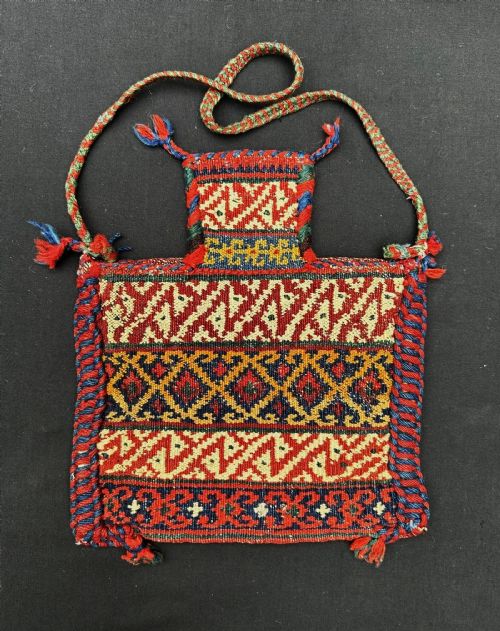
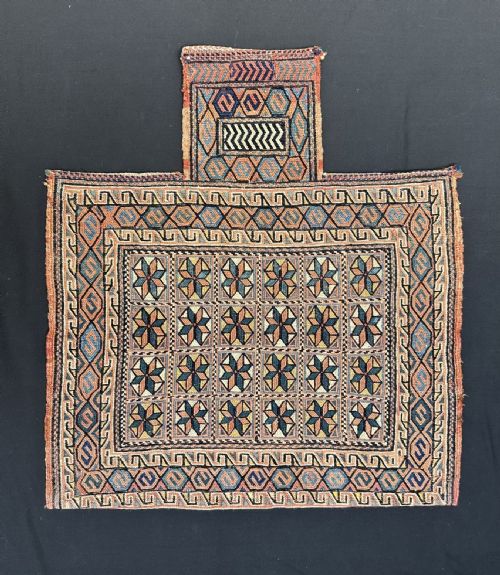
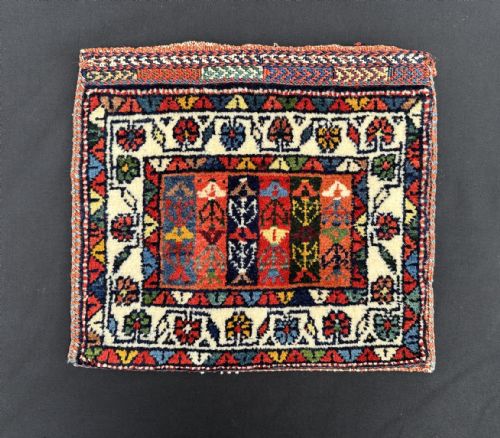
The category extends beyond floor coverings into utilitarian woven forms created by nomadic and village communities. Buyers encounter salt bags, vanity bags, tobacco and pipe pouches, bread sofreh cloths, and saddlebag faces alongside traditional rugs.
Tribal Persian and village aesthetics define the visual language of these pieces, often attributed to specific groups such as the Kuhi Afshars and Qorab'i tribe. The output reflects the traditions of South Persian tribal groups working with hand-spun materials.
Materials and construction methods
Weavers constructed these textiles using wool for the pile and foundation, frequently combined with cotton structures and finished with natural dyes. Certain functional pieces incorporate decorative elements such as cowrie shells alongside traditional soumak flatweave techniques.
The utilisation of hand-spun wool provides the foundation for the durable pile observed across the nineteenth and early twentieth-century production. Natural dye stuffs impart the characteristic colour palette found in Neiriz and Kerman province examples.
Listings span production dates from the nineteenth century through to 1940, originating predominantly from the Kerman province and Neiriz region.
Distinctions in quality
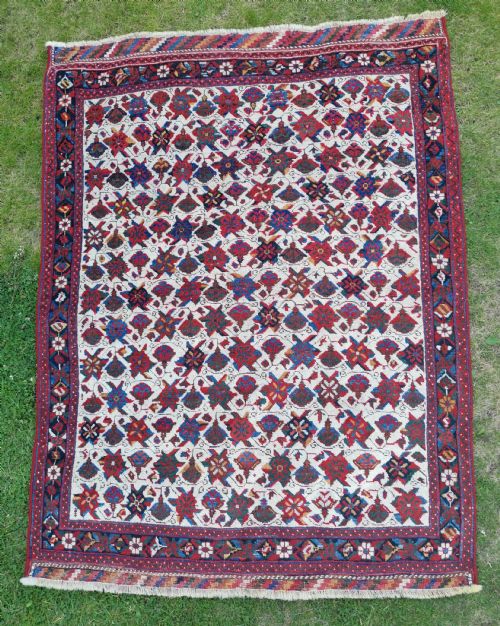
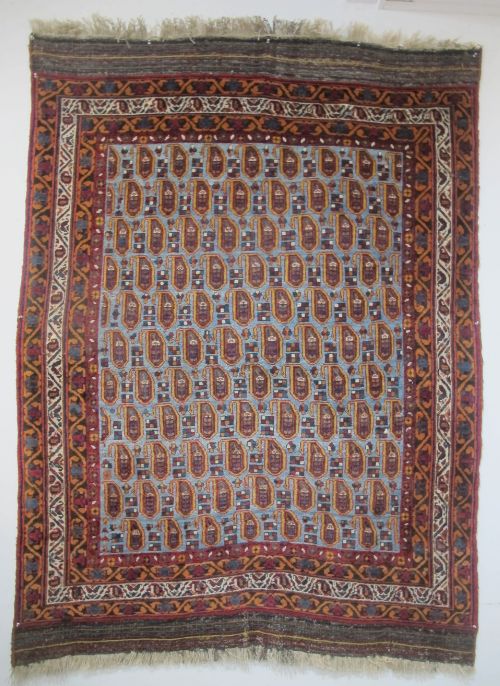
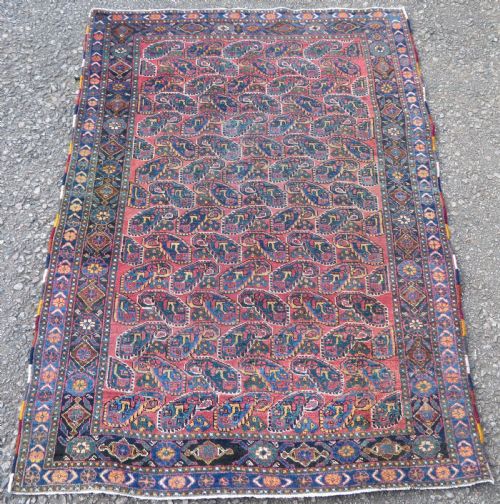
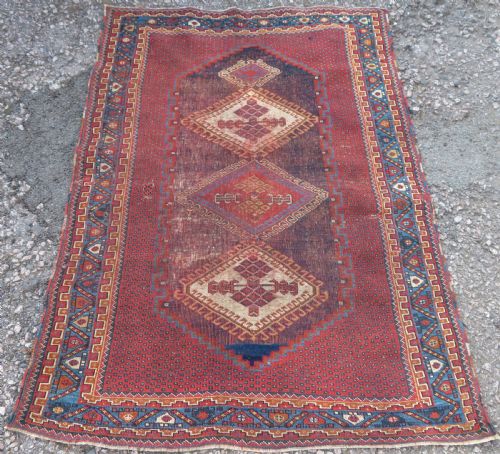
The refinement of knot density and the precision of the tribal motifs separate standard pieces from finer examples. Superior specimens demonstrate exceptional handling of natural dyes and intricate execution of complex designs like small medallions and boteh patterns.
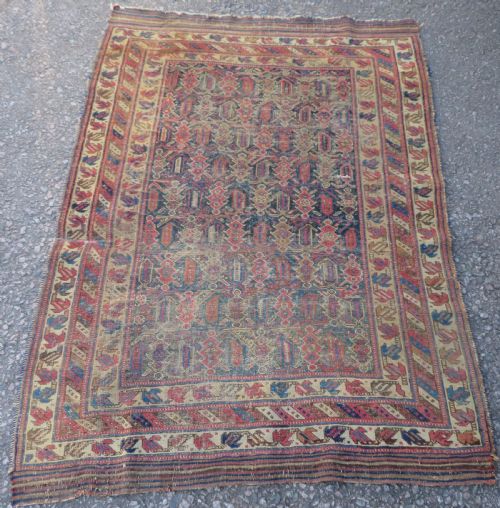
The integrity of the hand-spun wool and the preservation of the original structure influence the standing of each piece. Condition grades range from well-preserved collector items to distressed examples showing significant age and wear.
The Wool Afshar Rug Glossary
- Sofreh
- A flatwoven or pile-knotted spread used for meals or bread preparation among nomadic groups. These textiles often feature geometric field arrangements.
- Soumak
- A flatweaving technique where pattern wefts are wrapped around the warp threads before passing back, creating a textured surface resembling braids.
- Boteh
- A recurring almond-shaped motif with a curved upper end, frequently deployed in all-over patterns across South Persian tribal rugs.
- Chanteh
- A small personal bag or vanity pouch woven by tribal groups for carrying small possessions.
- Neiriz
- A specific production region in the Kerman province of South Persia known for distinctive tribal rug characteristics.
Wool Afshar Rug: Frequently Asked Questions
Where were wool afshar rugs made?
These rugs were produced by nomadic and village tribes residing in South Persia, principally within the Kerman province. Specific locales include the Neiriz region and the Bardsir mountains.
The weavers belonged to various tribal groups, including the Kuhi Afshars and the Qorab'i tribe, who maintained distinct regional weaving traditions.
What are tribal bags used for?
Tribal bags served practical storage and transport functions within nomadic daily life. Items like salt bags, vanity bags, and pipe pouches held personal possessions and household goods.
These smaller textiles share the same wool materials and geometric designs found on larger floor rugs.
How do I date an antique afshar rug?
Dating relies on stylistic indicators, structural evidence, and the presence of traditional natural dyes. Pieces originating from the nineteenth and early twentieth centuries display distinct regional colour palettes and handling of motifs.
Examination of the hand-spun wool and foundation materials helps distinguish between nineteenth-century examples and later twentieth-century production.
What is a bread sofreh?
A bread sofreh is a specialised woven textile used by nomadic households for kneading and preparing bread. These square or rectangular cloths functioned as clean surfaces during daily meals.
They exhibit the same tribal design vocabulary and regional colour variations seen in traditional area rugs.