



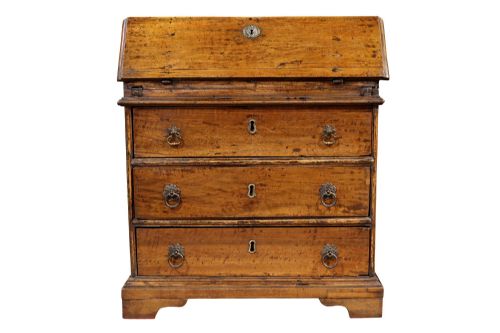
Wooden Writing Slant Desk
A wooden writing slant desk provides a sloping surface for letters and accounts, offering sturdy practicality paired with period timber character.
Wooden Writing Slant Desk
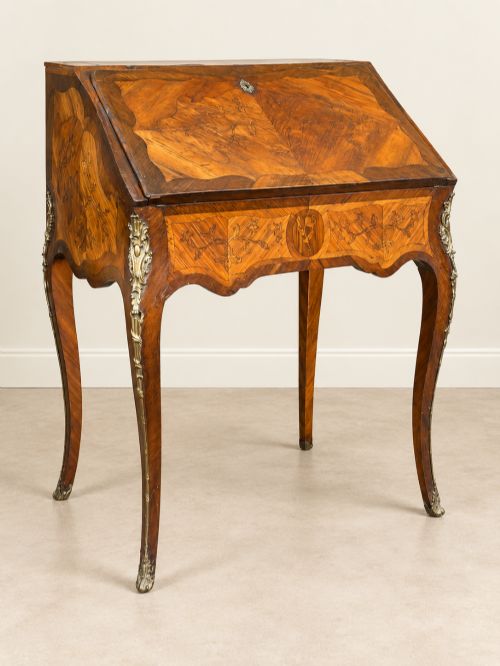
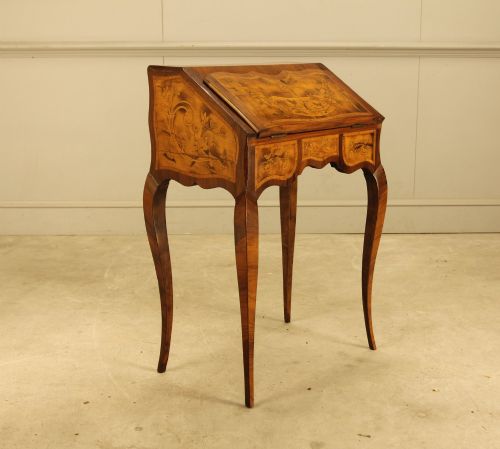
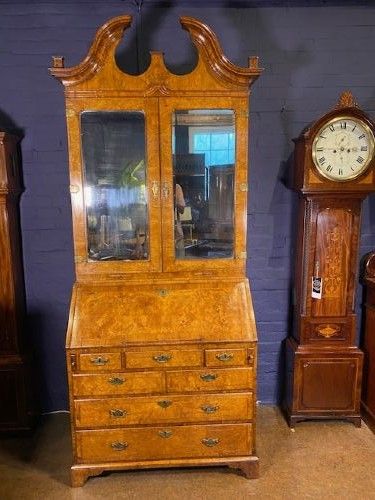
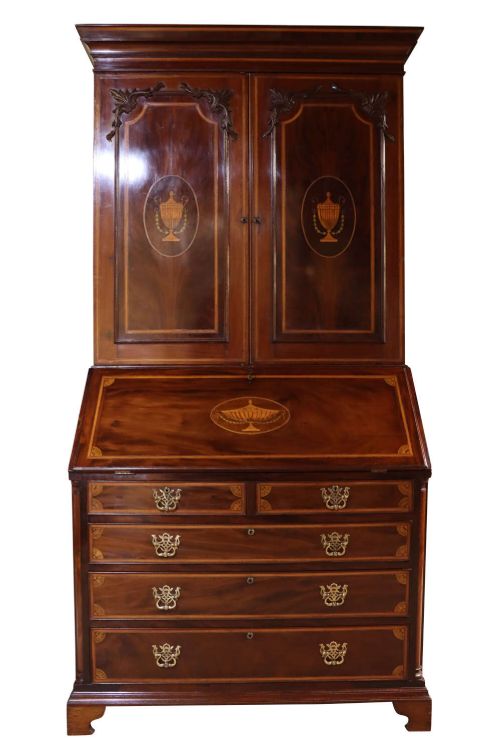
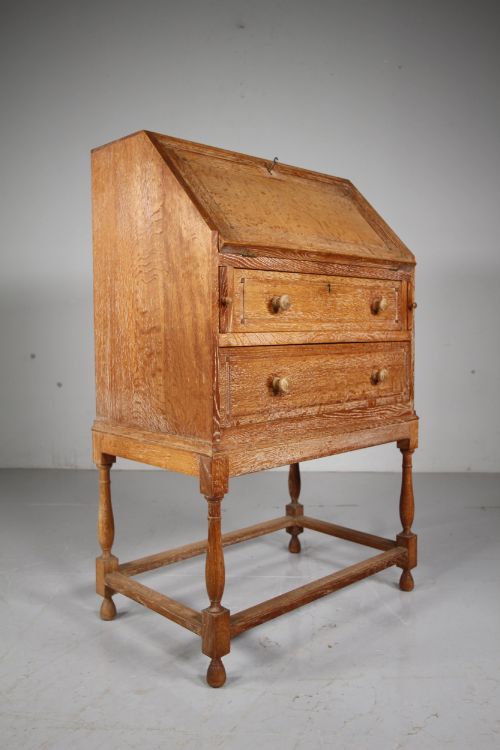
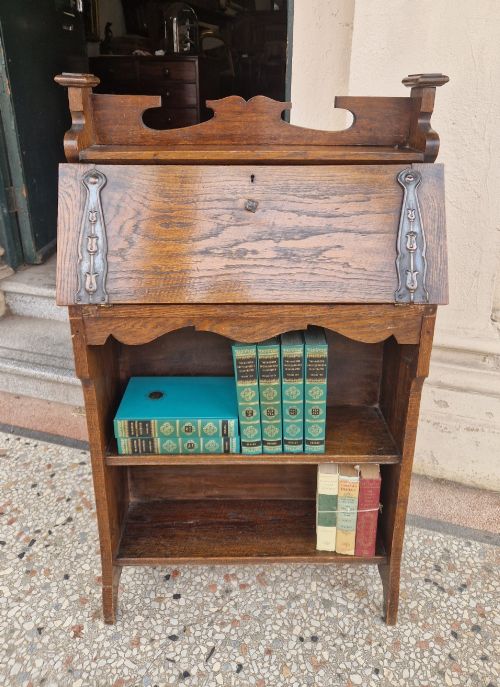
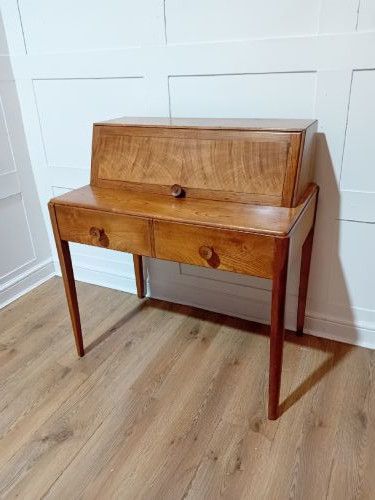
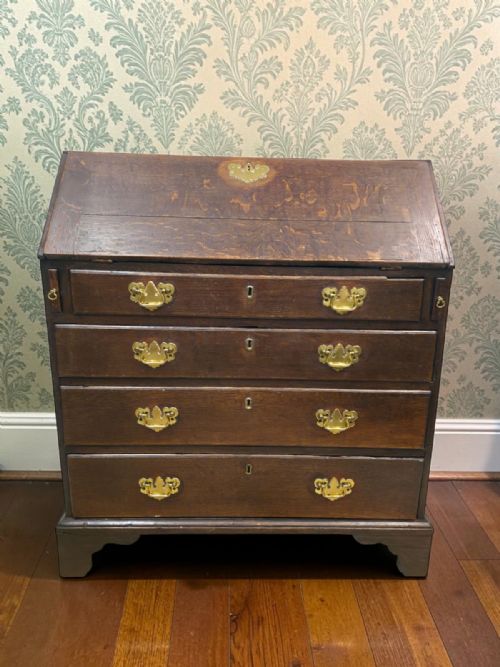
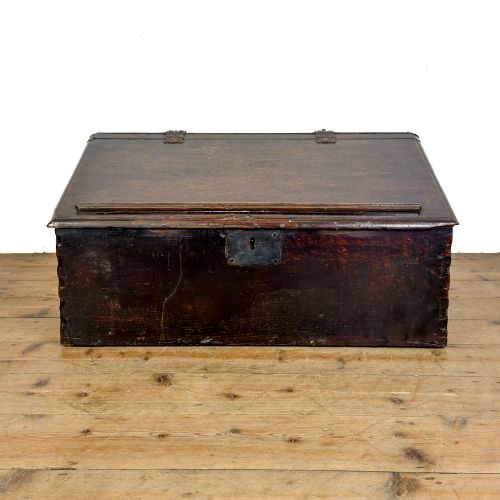
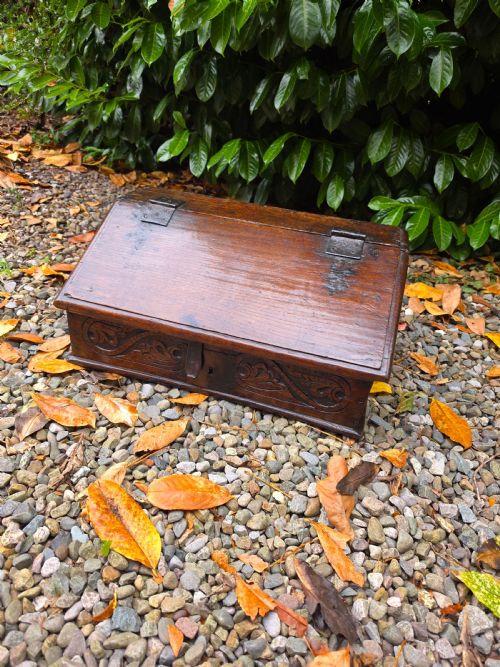
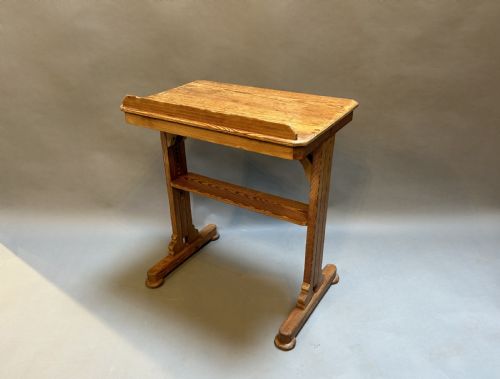
A wooden writing slant desk combines practical writing space with storage, appearing in forms from compact desk boxes to large bureaux and bureau bookcases. These pieces originate across centuries, with Georgian and Victorian examples frequently appearing alongside earlier seventeenth-century desk boxes and Arts and Crafts creations.
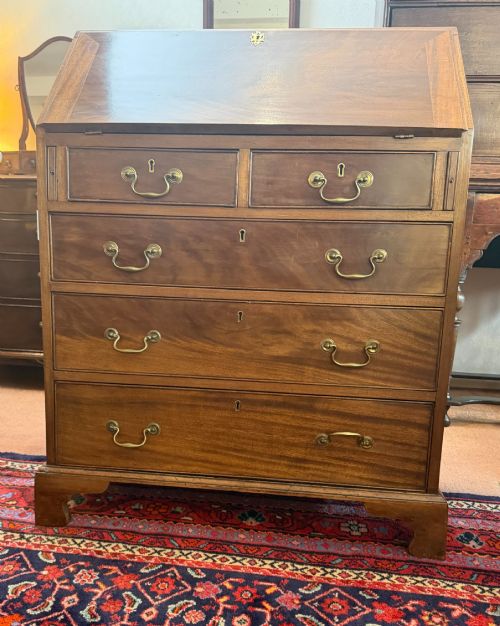
Buyers encounter various configurations, including fall-front bureaux with internal drawers, davenports with side storage, and slant-front bible boxes designed for tabletop use. Oak, mahogany, and walnut dominate the forms, reflecting the timber preferences of their respective periods.
How they were made
Cabinet makers built these pieces using solid timbers like oak, mahogany, elm, and walnut, often applying burr walnut veneers or satinwood for interior contrast. Structural joints relied on traditional woodworking methods, while secondary woods such as pine appear in concealed areas.
Hardware played an essential structural and decorative role, incorporating brass escutcheons, hinges, and drawer pulls, alongside original ironwork on early pieces. Leather inserts occasionally lined the writing surfaces, providing a durable plane for daily correspondence.
Listings span the seventeenth to the early twentieth century, incorporating oak, mahogany, walnut, pine, and brass across various desk forms.
What varies in quality
Quality rests upon the choice of timber and the sophistication of internal cabinetry, where secondary woods and secondary drawer linings reveal the maker's hand. Pieces retaining original ironwork, brass fittings, and keys stand apart from those altered or rebuilt over generations.
Proportion and execution separate standard utility items from ambitious workshop pieces. Finely figured burr veneers, marquetry work, and carefully arranged pigeonholes distinguish superior examples from plain regional boxes.
Heals of London·Arthur Basil Reynolds·Gillows·Maple and Co·Pairs MFG Co
The Wooden Writing Slant Desk Glossary
- Bureau
- A desk featuring a sloping hinged lid that opens to form a writing surface above a chest of drawers. This form evolved from smaller portable writing boxes into substantial freestanding furniture.
- Davenport
- A compact pedestal desk with a sloping desktop, usually fitted with side drawers and a stationary compartment on top. It became popular during the nineteenth century for boudoir and parlour use.
- Bible Box
- A small wooden box with a slanted lid, originally built to hold large family Bibles or documents. These portable pieces predate large freestanding desks and sat upon tables.
- Fall Front
- A hinged panel that drops from a vertical position to create a horizontal or sloping writing platform. It conceals internal compartments and small drawers when closed.
- Escutcheon
- A protective brass or iron plate surrounding a keyhole. It prevents the surrounding wood from wearing down through repeated use of the key.
Wooden Writing Slant Desk: Frequently Asked Questions
What is a slant front desk?
A slant front desk is a piece of furniture featuring an angled lid that lifts or drops down to create a writing surface. Beneath this lid typically lie small drawers, pigeonholes, and compartments for stationery.
These desks range from portable tabletop boxes to large freestanding bureaux with multiple drawers underneath. The sloping design allows for a comfortable writing angle while keeping correspondence concealed when closed.
How do I date an old desk?
Dating involves examining the timber species, construction methods, hardware, and overall style. Eighteenth-century pieces frequently utilise oak, walnut, or early mahogany with hand-cut dovetails and forged iron or brass fittings.
Victorian and later examples introduce machine-sawn elements, varied secondary woods, and distinct decorative motifs like marquetry or Arts and Crafts framing. Maker labels or stamps, when present, provide definitive chronological markers.
Where were davenport desks used?
Davenport desks were primarily used in domestic settings such as bedrooms, sitting rooms, and drawing rooms during the nineteenth century. Their compact footprint made them suitable for writing letters without occupying the space of a full-sized library desk.
The side drawers and top stationary box provided self-contained storage for writing materials, inkwells, and personal papers.
Are desk boxes the same as bureaux?
Desk boxes are portable writing surfaces designed to sit upon tables or chests, lacking the integral drawer chest base found on standard bureaux. Early examples from the seventeenth and eighteenth centuries often housed documents or religious texts.
Bureaux are freestanding items of furniture that incorporate the writing slant directly above a set of structural drawers, offering permanent workspace and greater storage capacity.