

Wooden Writing Chest
A wooden writing chest provides a secure, portable or stationary desktop for correspondence, holding everything from documents to ink with functional elegance.
Wooden Writing Chest
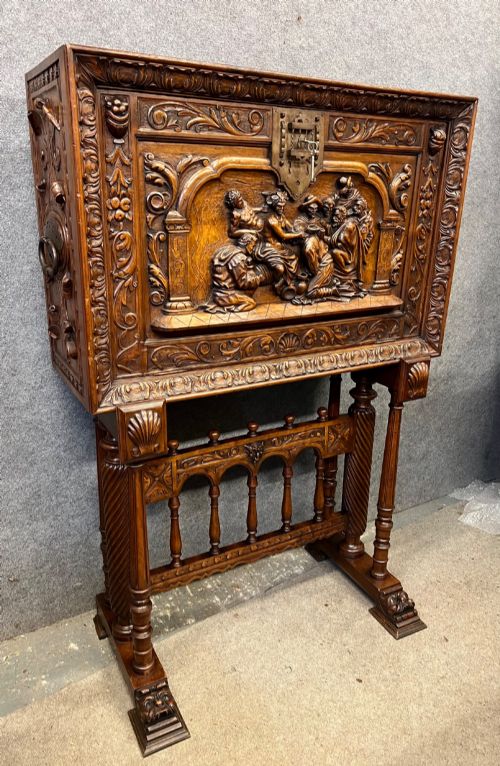
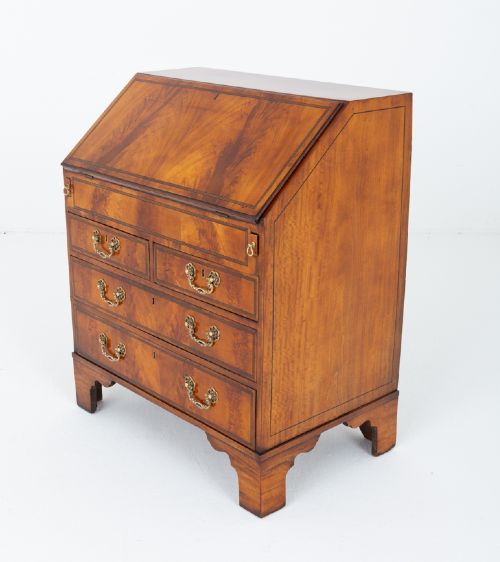
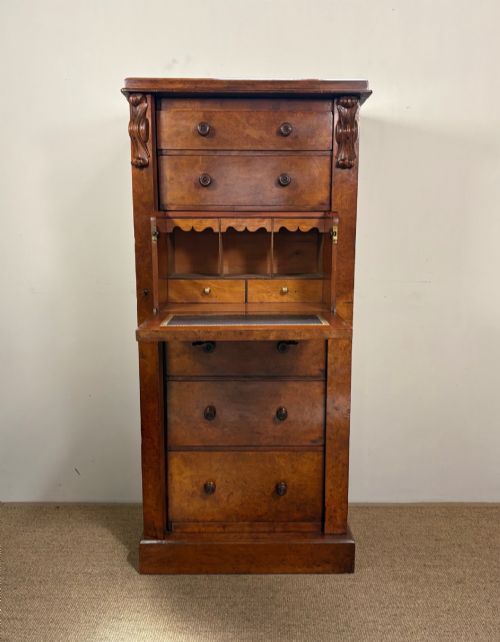
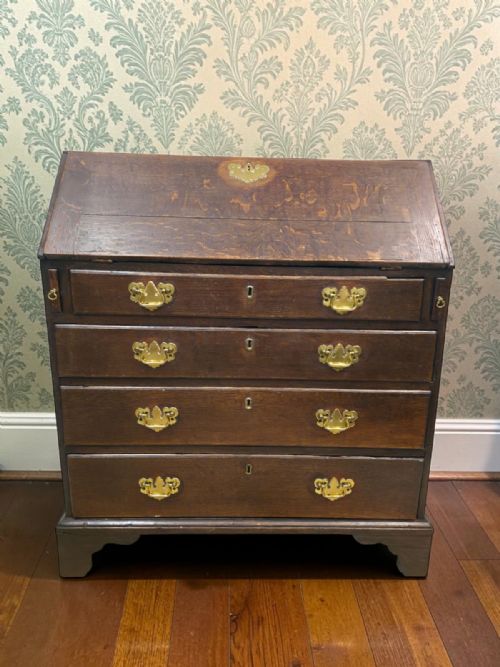
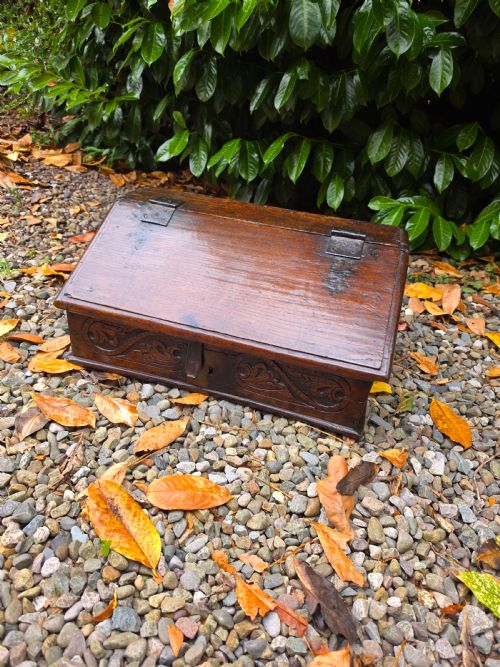
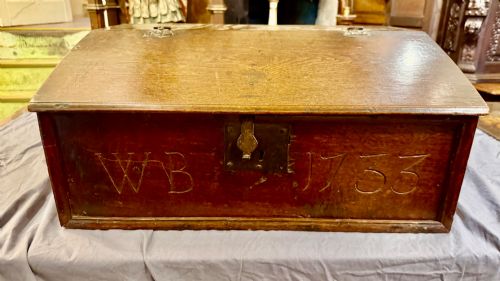
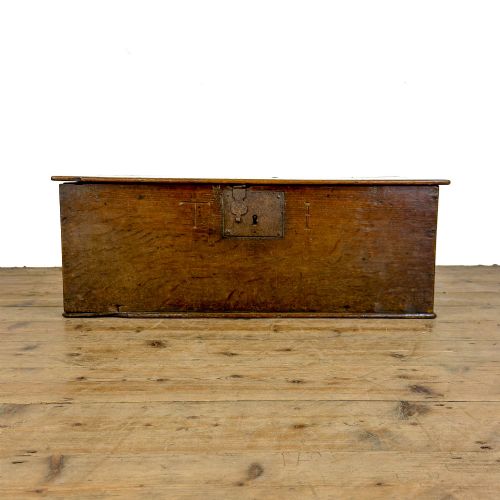
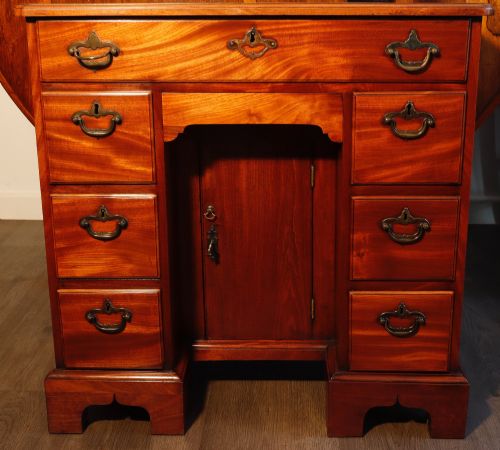
A wooden writing chest spans portable document boxes, sloped desks, and larger bureau forms made across the seventeenth, eighteenth, and nineteenth centuries. Buyers searching for a wooden writing chest encounter diverse formats including table boxes, fall-front bureaux, and campaign pieces.
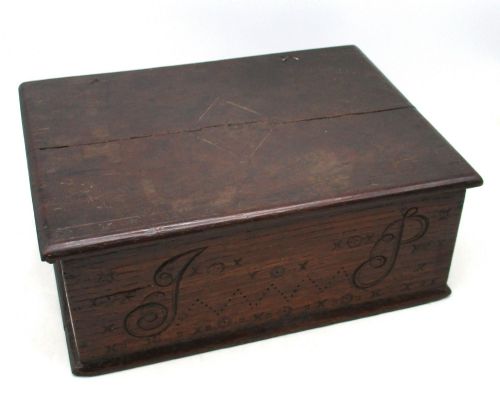
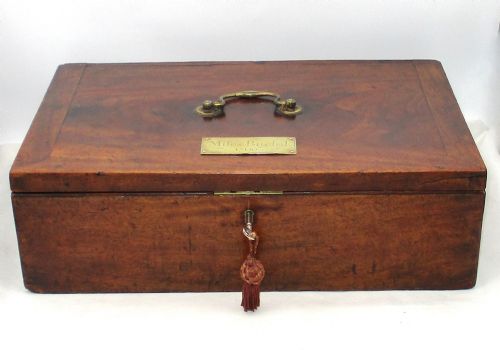
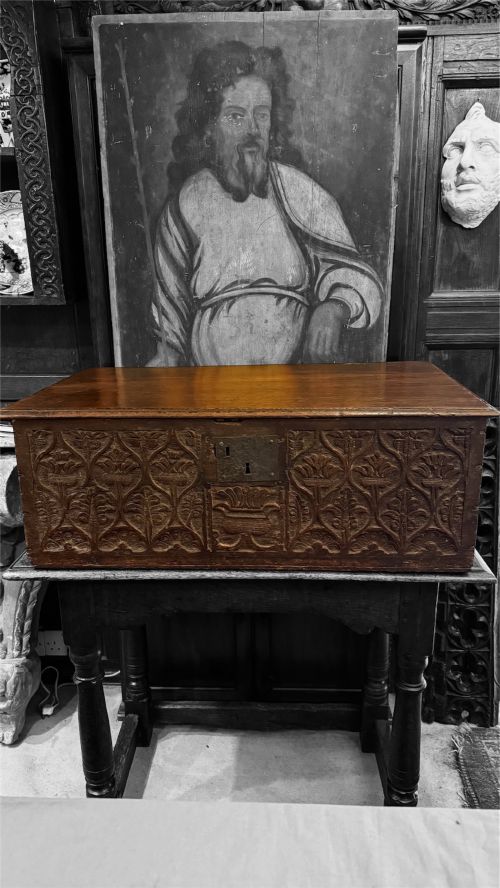
The earlier examples lean towards sturdy oak Bible boxes and document chests from the seventeenth century, while eighteenth and nineteenth century pieces introduce rich mahogany, walnut, and rosewood writing slopes.
Materials and construction
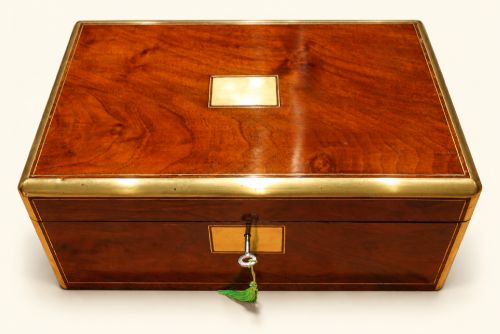
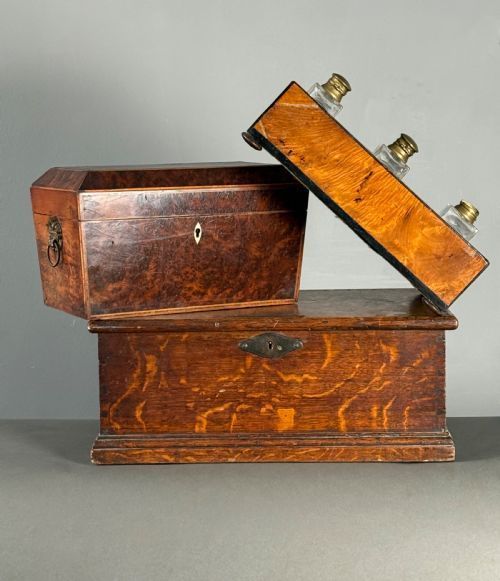
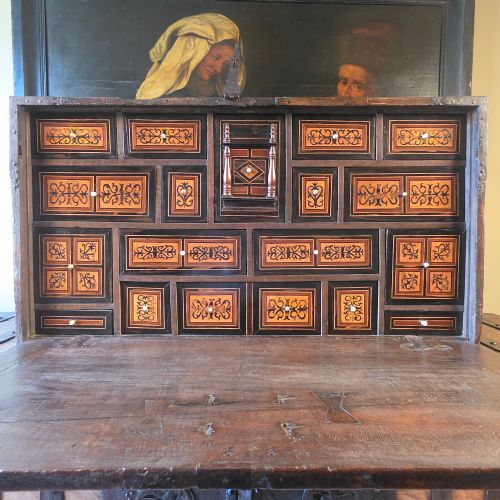
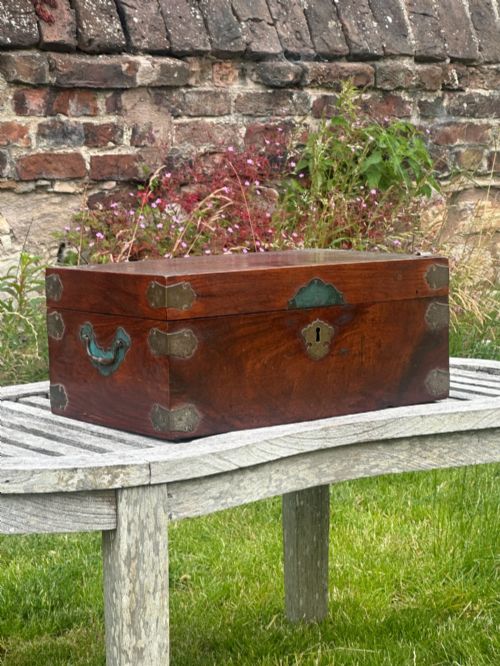
Cabinet makers utilised dense hardwoods like mahogany, walnut, oak, and elm, often pairing them with structural brass bound edges or ironwork handles. Surface ornamentation frequently incorporates mother of pearl, bone details, and intricate marquetry inlay.
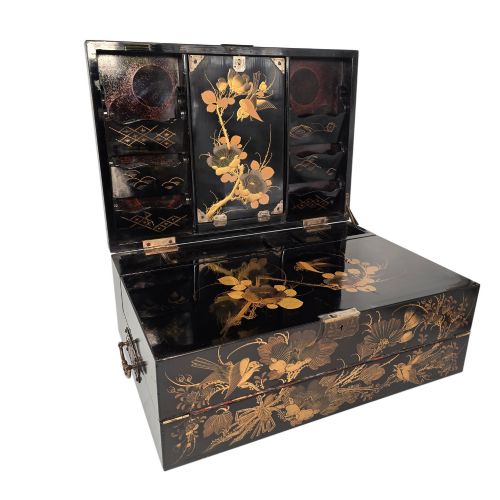
Internal architecture matters greatly, with many boxes incorporating secret drawers, pigeonholes, and fitted compartments designed for stationery and inkwells.
Wooden Writing Chest Retail Price Guide 2026
Typical asking prices for wooden writing chest among the pieces listed under this phrase on Sellingantiques today, from the lower quarter to the upper quarter. They describe what is for sale here now, not the wider market.
The listings demonstrate a heavy reliance on oak in the seventeenth century, shifting towards mahogany and walnut through the Georgian and Victorian eras.
Judging execution
The distinction between ordinary and superior pieces rests on the choice of timber figure, such as burr elm or figured mahogany, and the precision of the dovetail joinery. Original hardware, including working locks and flush brass handles, elevates a piece significantly.
Internal organisation also dictates value, with well-preserved secret drawers and intact writing surfaces demonstrating superior workshop origin.
William Austin·Heal And Sons
The Wooden Writing Chest Glossary
- Bureau
- A desk featuring a sloping lid that opens to form a writing surface above a series of drawers. These pieces often conceal internal pigeonholes and small compartments.
- Secretaire
- A piece of furniture incorporating a pull-out or drop-front drawer that serves as a writing desk. It combines the storage of a chest with the utility of a writing chest.
- Campaign box
- A portable chest or box constructed in sections with recessed brass handles and corner brackets, originally designed for military officers on travel. The robust build protects the wood during transit.
- Bible box
- A small, hinged wooden box traditionally used for storing sacred texts and documents, often featuring a sloping lid. These compact chests represent some of the earliest surviving desktop storage forms.
- Marquetry
- The art of applying decorative veneer pieces in wood, bone, or shell to form geometric or pictorial patterns on a surface. This technique requires immense skill to achieve a flush, seamless finish.
Wooden Writing Chest: Frequently Asked Questions
What is a wooden writing chest?
A wooden writing chest is a portable or stationary box designed for storing stationery, ink, and correspondence, often featuring a hinged lid that doubles as a writing slope.
These pieces range from simple seventeenth century oak document boxes to elaborate nineteenth century rosewood and mahogany slope desks fitted with secret compartments.
How were writing chests used historically?
They served as private repositories for important letters, financial documents, and writing materials before fitted studies became common.
Owners kept their correspondence secure using integrated brass locks while travelling or managing estate affairs from a desktop.
How do I identify the period of a chest?
Period identification relies on observing the primary timber, hardware style, and construction methods such as hand-cut dovetailing. Seventeenth century pieces frequently utilise heavy oak with simple ironwork, whereas Georgian and Victorian examples favour mahogany and rosewood with refined brass mounts.
Examining internal secondary woods and fastener types further clarifies the manufacturing era.
Where should I place a writing chest at home?
These compact pieces sit comfortably on sturdy tables, sideboards, or dedicated desk surfaces where their interior fittings remain accessible. Placing them out of direct sunlight protects delicate veneers like satinwood and rosewood from fading.
Keeping them in stable humidity conditions also prevents the timber and fitted internal wood from warping.