


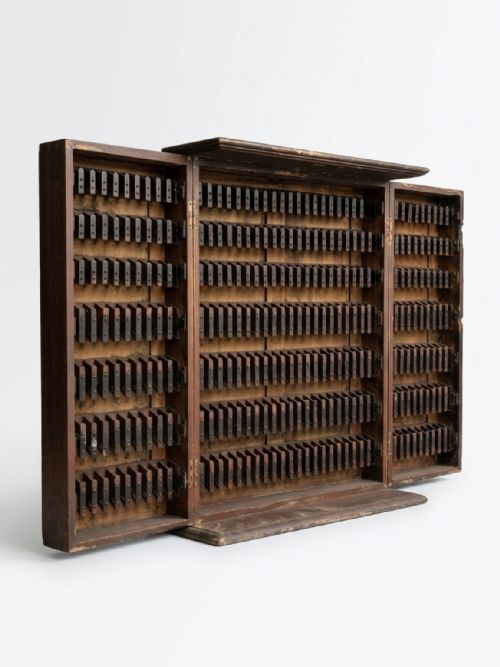
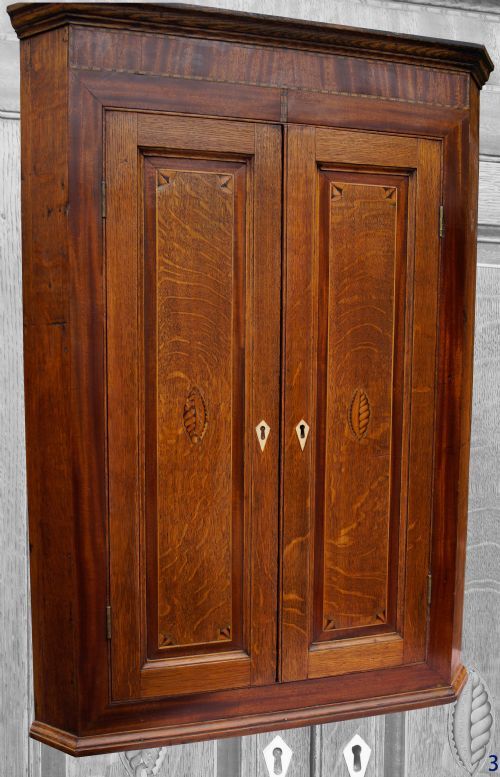
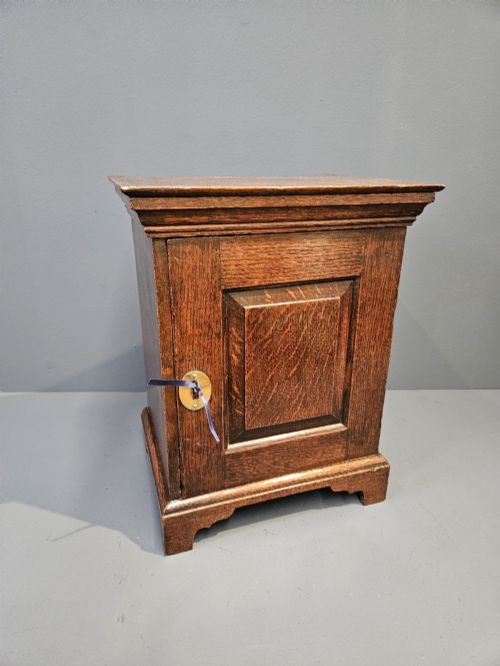
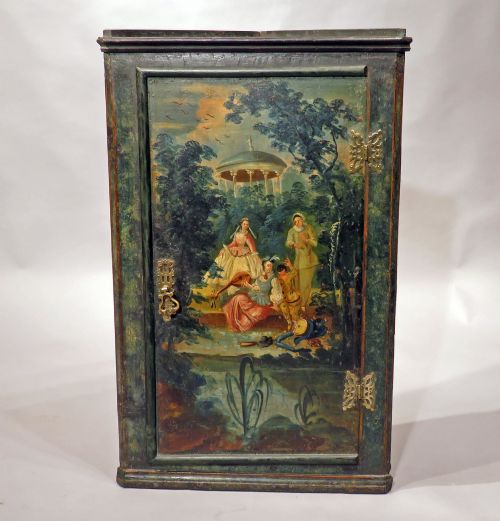
Wooden Wall Cupboard
A wooden wall cupboard clears clutter while bringing period timber directly to eye level.
Wooden Wall Cupboard
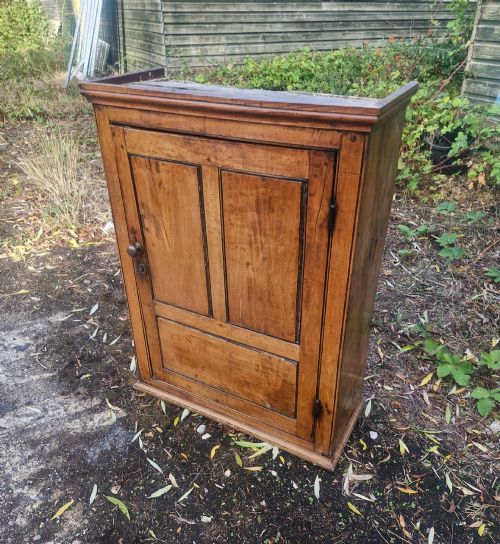
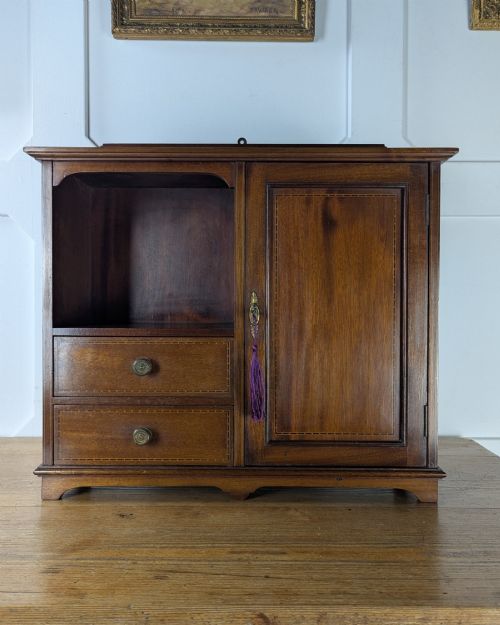
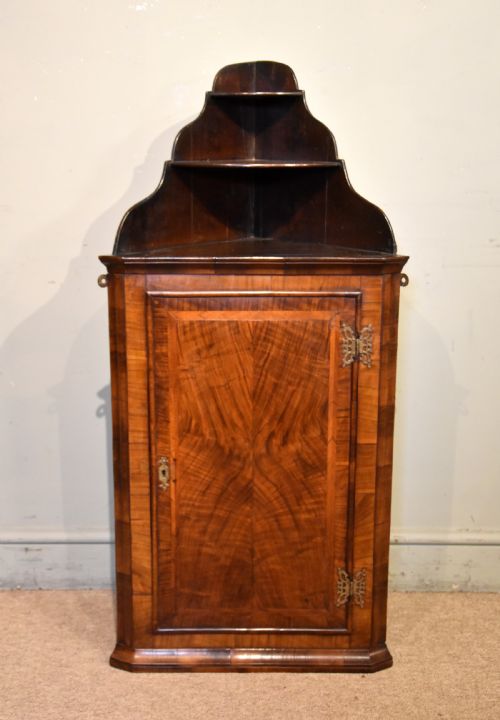
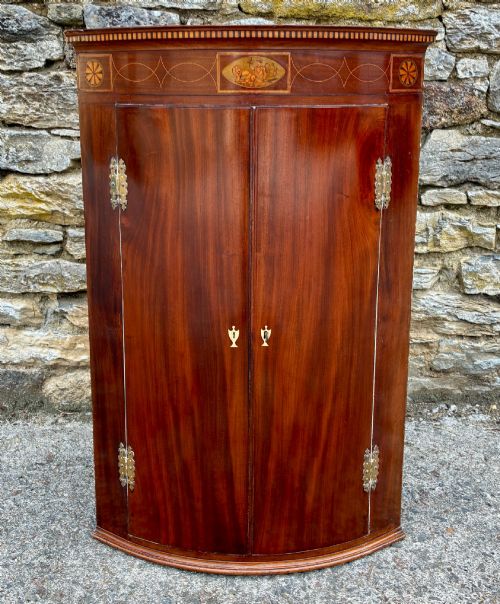
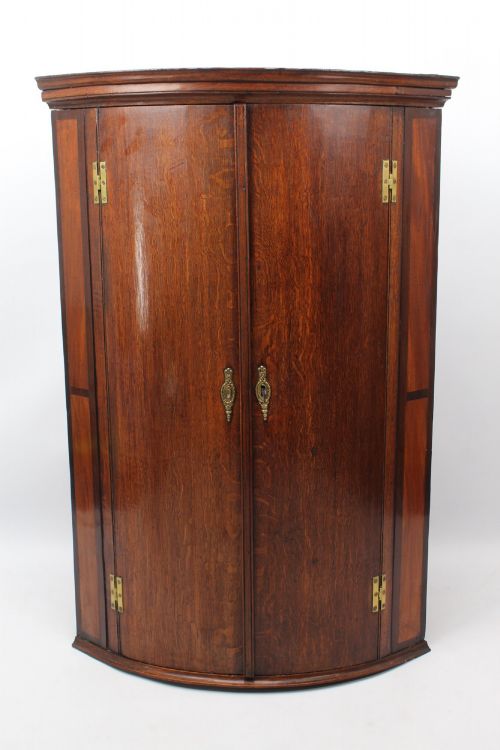
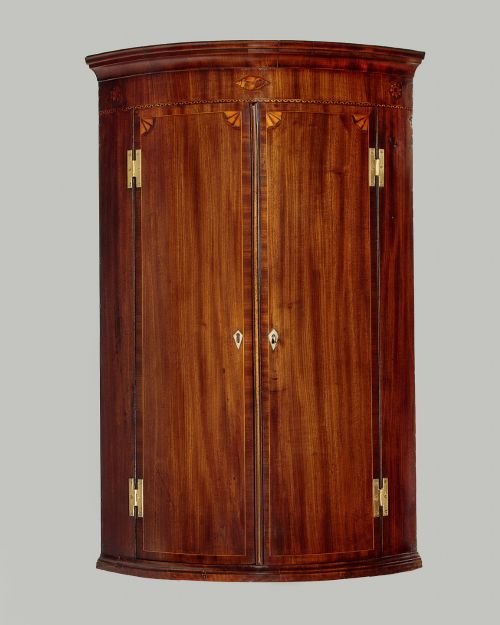
A wooden wall cupboard is a space-saving storage unit designed to be mounted directly onto a wall rather than resting upon the floor. When browsing this selection, buyers frequently encounter corner cupboards, spice cupboards, and hanging cabinets dating from the eighteenth and nineteenth centuries.
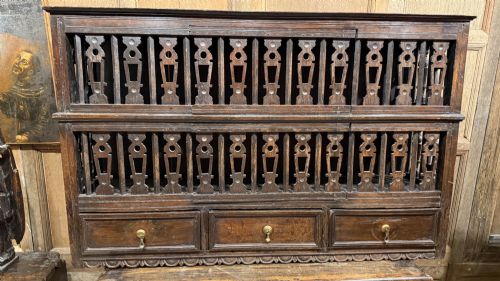
The inventory spans straightforward utilitarian storage and refined display pieces. Many examples utilise compact footprints to fit neatly into domestic corners or restricted wall spaces.
Origins range across British regional workshops alongside continental European examples in walnut, oak, and pine. Common stylistic iterations include Georgian proportions, Victorian industrial pieces, and decorative Arts and Crafts models.
How they were made
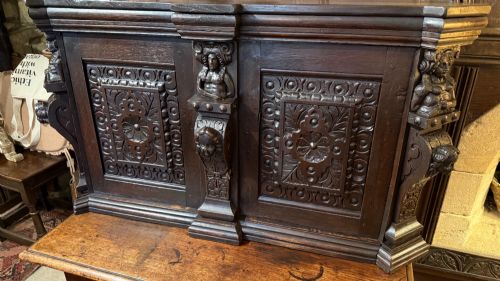
Cabinetmakers relied heavily on solid hardwoods such as oak, mahogany, and walnut, alongside softer pines for secondary framing or country pieces. Panels were frequently fielded or carved by hand to add depth and visual structure to smaller facades.
Construction techniques included dovetailed joints for drawers and secure tenoned frames for doors, ensuring the units could support their own weight when wall-mounted. Brass hinges, latches, and escutcheons provided functional pivoting and locking points.
Surface finishes varied from clear polish and wax to painted decoration, inlay work, and pokerwork embellishments. Glazed doors utilised timber glazing bars to secure individual panes of glass.
Listings feature woods including oak, mahogany, walnut, pine, satinwood, and limewood, alongside painted and brass-accented finishes.
What varies in quality
Quality rests primarily on the choice of timber and the precision of the cabinetwork. Dense, well-figured woods like mahogany or burr walnut command attention through grain pattern and natural colour.
Finer examples display careful timber selection for prominent areas, harmonious proportions, and intact original brass hardware. Decorative elements such as carved panels, inlay, and broken arch pediments distinguish superior workshop output from simpler utilitarian boxes.
Arthur Simpson
The Wooden Wall Cupboard Glossary
- Bow front
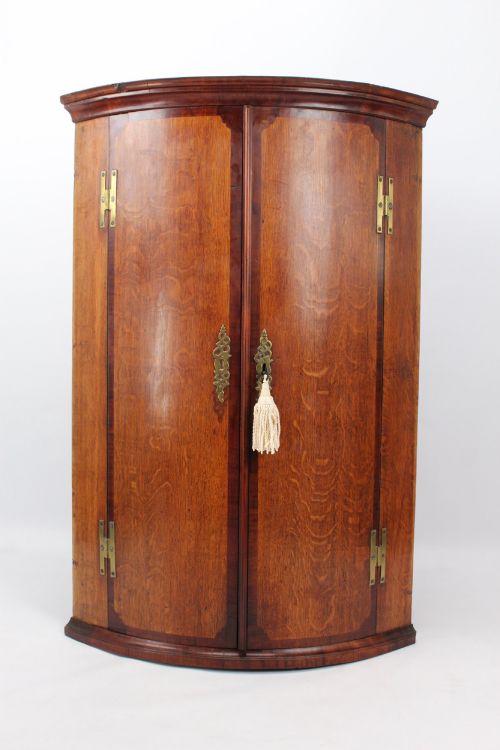
- A cabinet front that curves outward in a convex shape, common in Georgian corner cupboards.
- Broken arch pediment
- A triangular pediment where the sloping sides are left open at the apex, often centring a finial or decorative block.
- Spice cupboard
- A small wall-mounted cabinet traditionally fitted with internal miniature drawers for storing culinary spices and herbs.
- Pokerwork
- A decorative technique using a heated tool to burn designs into the surface of wood.
- Fielded panel
- A wooden panel with bevelled edges that fit into a surrounding groove, reducing weight while adding depth.
Wooden Wall Cupboard: Frequently Asked Questions
How were wooden wall cupboards used originally?
These cabinets served to store small domestic valuables, spices, documents, or tableware away from damp floors and busy surfaces. Many hung in kitchens, parlours, or hallways for quick daily access.
Specialised variants like key cabinets and smokers' cupboards held specific personal items, keeping them organised and secure behind locked doors.
What is the difference between a corner cupboard and a wall cabinet?
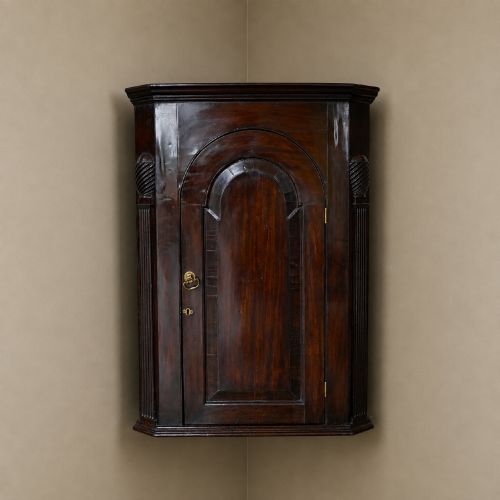
Corner cupboards feature a triangular plan specifically constructed to fit snugly into the internal angle of a room. Standard wall cabinets have a rectangular plan designed for flat wall surfaces.
Both types utilise wall-hanging brackets or screw holes, but corner models maximise otherwise dead architectural space.
How do I tell an 18th-century cupboard from a 19th-century one?
Eighteenth-century examples frequently feature pegged mortise and tenon joints, hand-sawn timbers, and rich oak or mahogany surfaces. Drawer linings and backboards often show irregular tool marks.
Nineteenth-century pieces may introduce machine-sawn elements, softer pine carcases, or revival styles such as Chippendale and Gothic influences.