
Wooden Walking Stick
Wooden walking sticks are practical supports and hidden mechanisms from past centuries that collectors prize for their clever engineering and distinct character.
Wooden Walking Stick
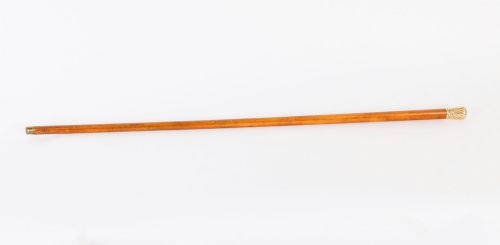
When you search for a wooden walking stick, you encounter functional everyday aids alongside specialist pieces containing hidden blades and built-in tools. The examples appearing here span from the nineteenth century into the nineteen-thirties, reflecting both domestic use and military styling.
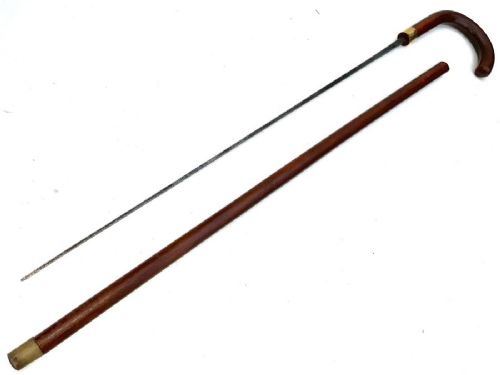
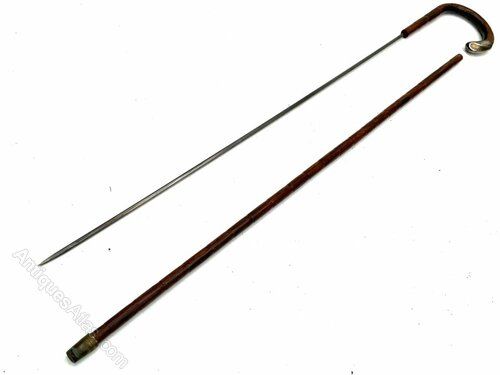
The assortment includes traditional Irish blackthorn wood, dense rosewood, and ebony wood, often finished with handles made from horn, silver, brass, or carved figurative designs. Many incorporate clever surprises, such as concealed corkscrews or sword blades, which transform a simple support into an ingenious gadget.
Victorian and traditional Irish styles dominate the recorded pieces, ranging from substantial military walking canes to carved devil and baboon heads. Collectors find both straightforward timber shafts and elaborate novelty items that demonstrate the diverse output of past makers.
How they were made
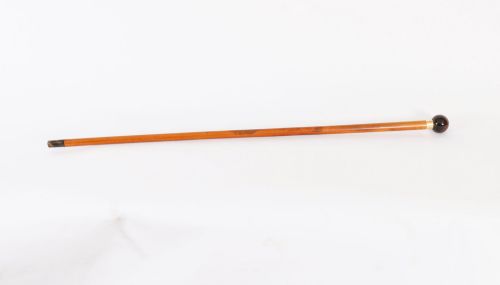
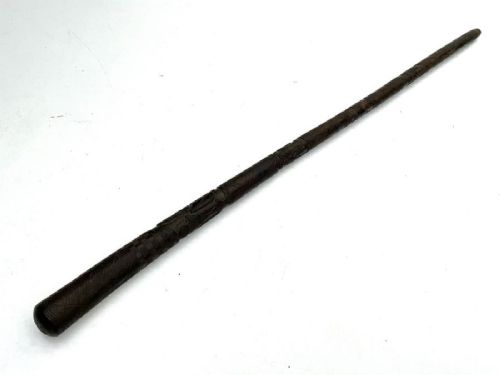
Makers selected resilient timbers such as rosewood, ebony, and blackthorn wood for their strength and tactile qualities. These woods were shaped and polished to create smooth shafts that could withstand daily pressure while displaying natural grain patterns.
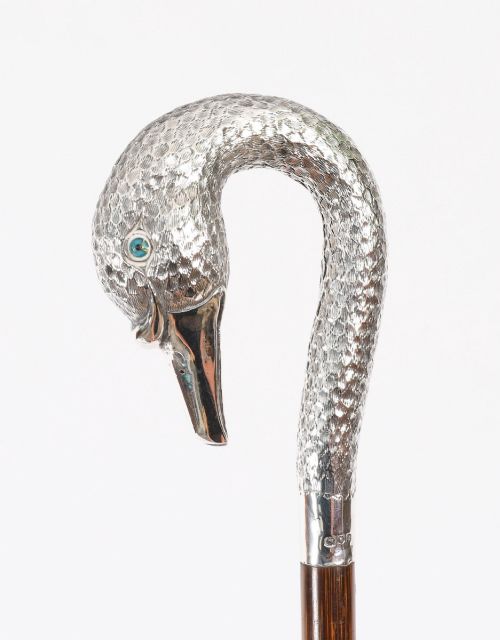
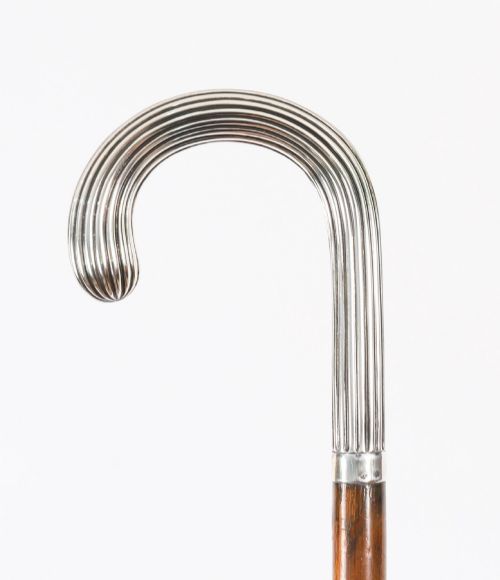
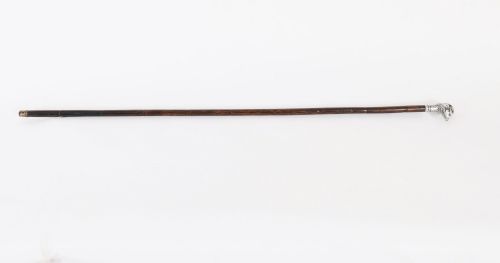
Metalwork and horn elements were integrated into the handles and collars, utilising brass, silver, and metal components for reinforcement or decoration. Embossed silver and carved animal heads show the detailed handiwork applied to the top sections of the sticks.
Concealed mechanisms inside sword sticks required precise carpentry and metalfitting to ensure the hidden blade or corkscrew fitted seamlessly within the wooden shaft without compromising its structural integrity.
Wooden Walking Stick Retail Price Guide 2026
Typical asking prices for wooden walking stick among the pieces listed under this phrase on Sellingantiques today, from the lower quarter to the upper quarter. They describe what is for sale here now, not the wider market.
What varies in quality
The standard of a walking stick depends on the execution of its carved details and the integration of any hidden mechanisms. Finer examples display crisp carving on figural handles, such as rabbit or devil heads, showing deliberate artistic effort rather than hurried production.
Material selection dictates the overall tactile appeal, with dense timbers like ebony and rosewood commanding attention alongside heavy-gauge silver mounts. Superior items maintain a balanced weight and a snug fit for any internal components, ensuring the piece functions as intended.
The Wooden Walking Stick Glossary
- Blackthorn wood
- A dense and durable timber traditional to Ireland, often used to create rustic walking sticks with characteristic knotty burls. It provides exceptional natural strength.
- Gadget stick
- A walking cane fitted with a concealed utility, such as a blade, corkscrew, or tool. These dual-purpose items were popular for personal protection and convenience in the nineteenth and early twentieth centuries.
- Rosewood
- A heavy, hard timber featuring rich dark grain patterns that take a high polish. It was frequently chosen for formal canes due to its handsome appearance.
- Ebony wood
- A very dense black timber valued for its smooth finish and substantial weight. It offers a sophisticated contrast when paired with silver or brass mounts.
- Collar
- The metal ring fitted just below the handle of a walking stick, often engraved with initials or decorative motifs. It reinforces the joint between the handle and the shaft.
Wooden Walking Stick: Frequently Asked Questions
What is a sword stick?
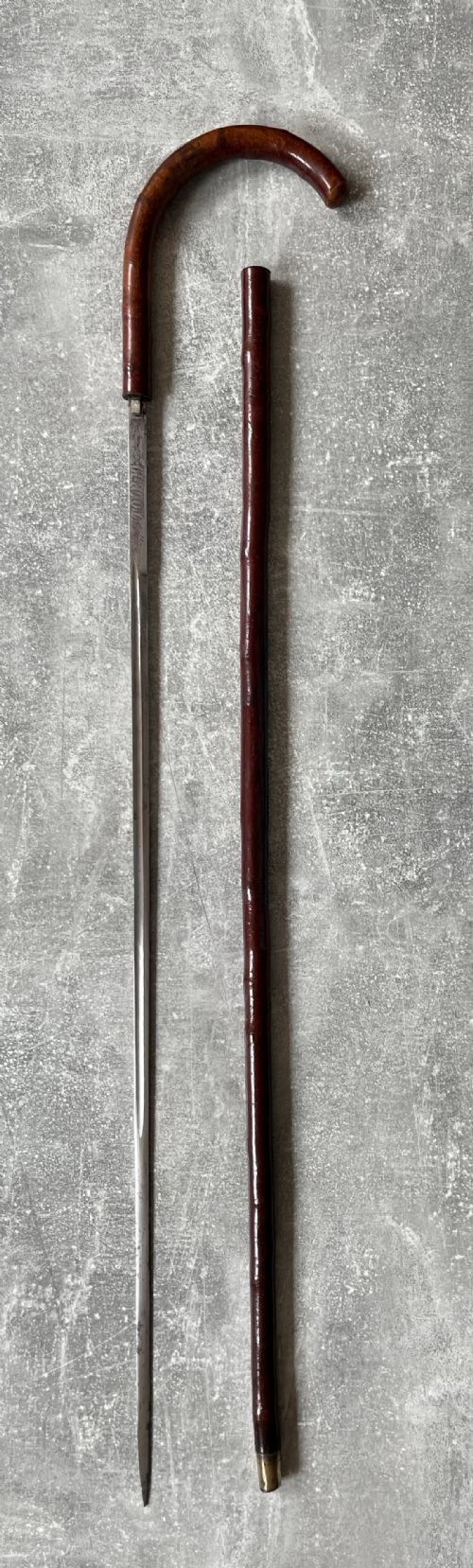
A sword stick is a walking cane with a concealed metal blade hidden inside the wooden shaft. The blade locks securely into the handle for safety during transport.
These pieces served as practical self-defence tools for travellers and gentlemen navigating poorly lit nineteenth-century streets. The hidden blade remains secure until the user releases the locking mechanism.
How do I date a wooden walking stick?
Dating relies on examining the style of the handle, the materials used, and any hallmarks on silver mounts. Victorian pieces often feature elaborate carvings or embossed metalwork.
Changes in fashion and manufacturing techniques across the nineteenth and early twentieth centuries help narrow down the period of production. Comparing the timber and construction methods against known historical examples provides further clarity.
How should I display a walking stick collection?
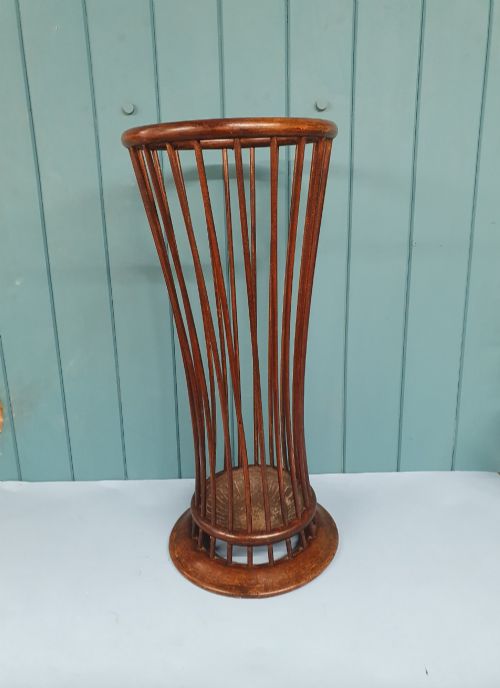
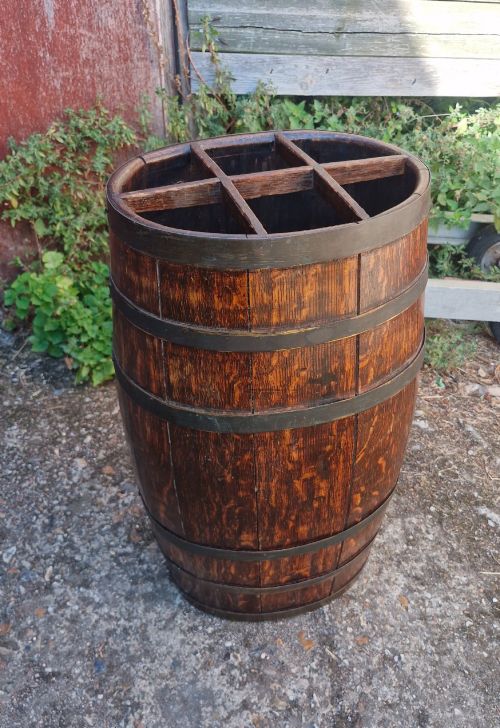
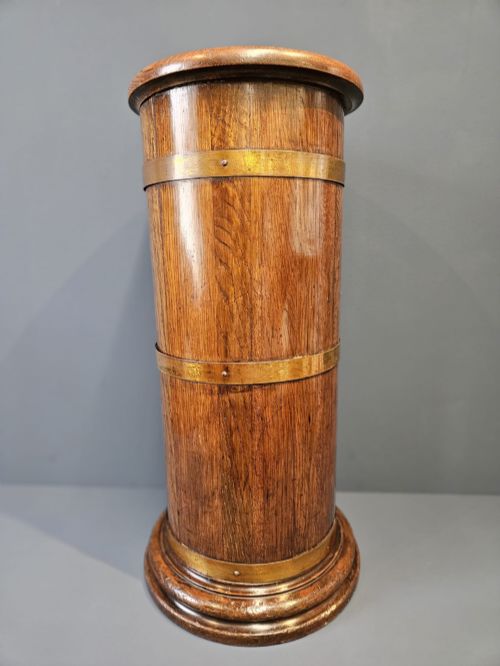
Sticks are best displayed upright in a heavy ceramic umbrella stand or secured horizontally on wall-mounted wooden racks. This prevents warping and keeps the shafts accessible for close inspection.
Proper placement avoids direct sunlight, which can dry out older timbers and damage delicate horn or silver handles. Maintaining a stable indoor climate preserves the natural finish of the wood.