

Wooden Tiered Display Stand
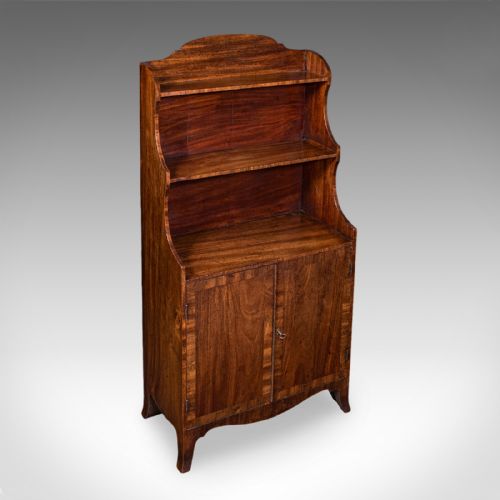
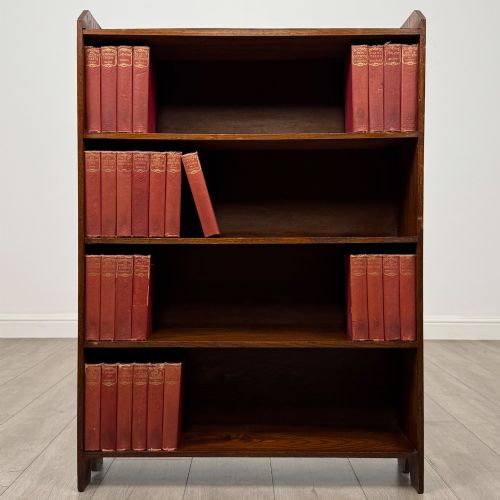
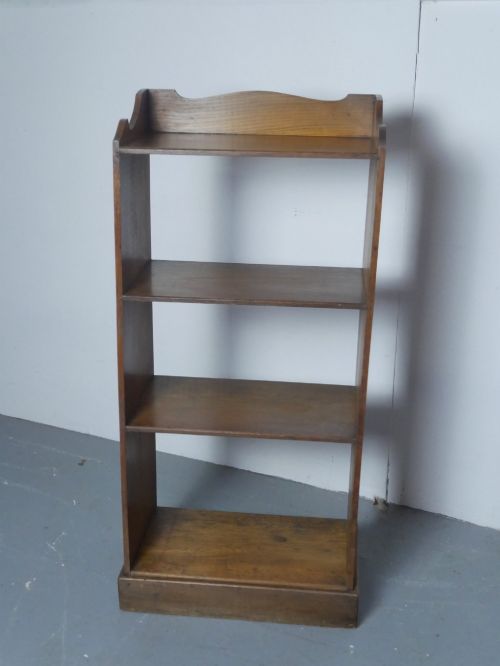
A wooden tiered display stand brings practical vertical storage and classical proportion to a room, offering multiple levels to hold books, plants or small objects.
Wooden Tiered Display Stand
A wooden tiered display stand encompasses a variety of multi-level furniture forms designed to present objects across stacked surfaces. Buyers searching for a wooden tiered display stand will encounter pieces ranging from corner whatnots and étagères to cake stands and bookcases spanning the Victorian, Edwardian and Regency periods.
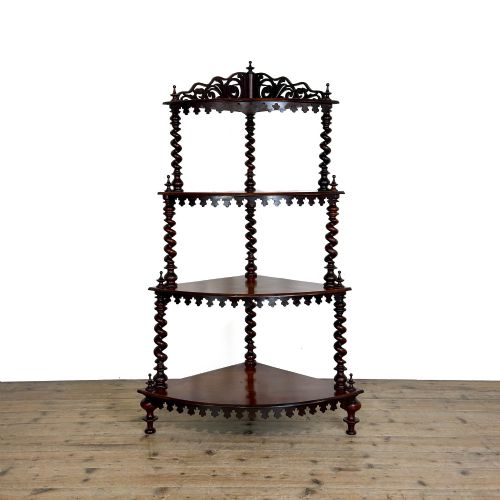
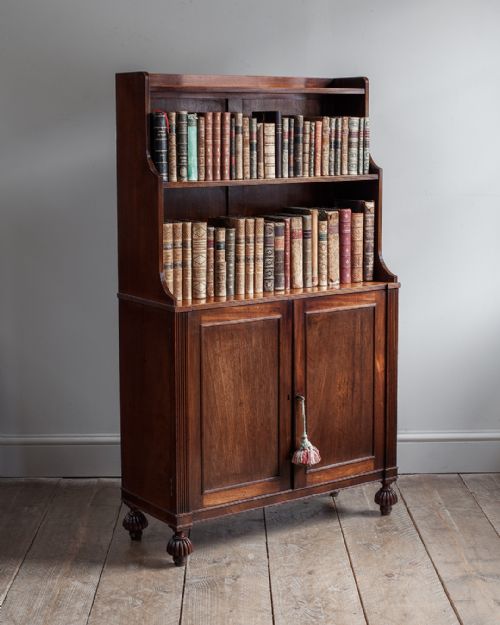
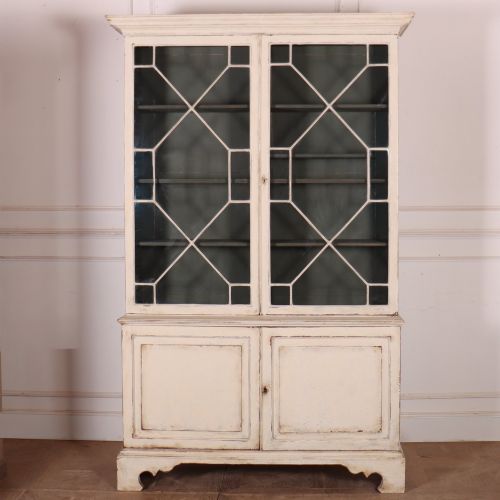
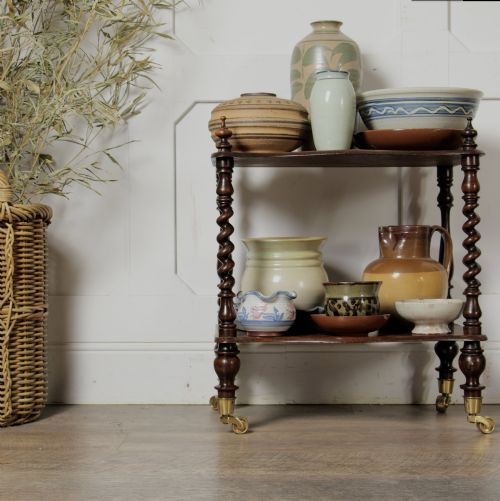
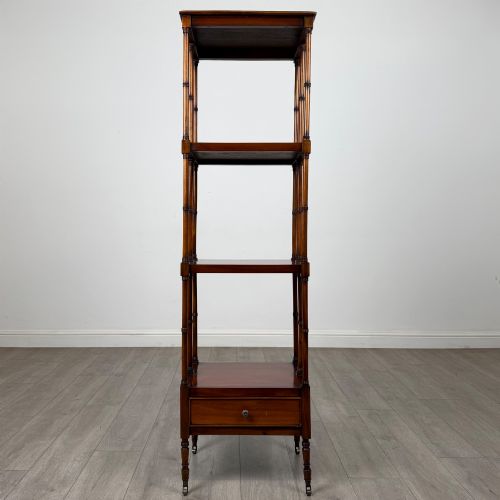
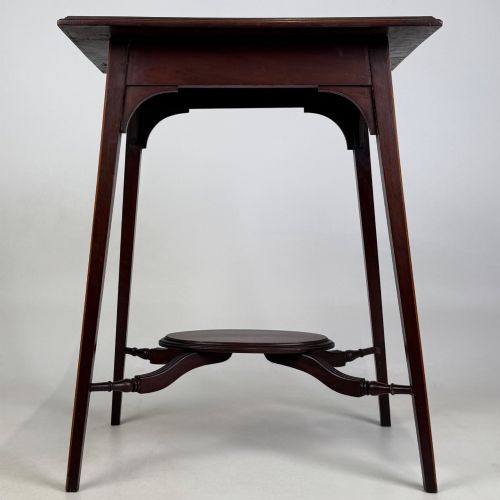
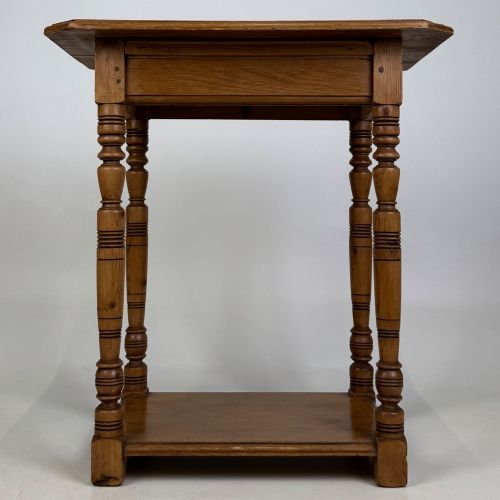
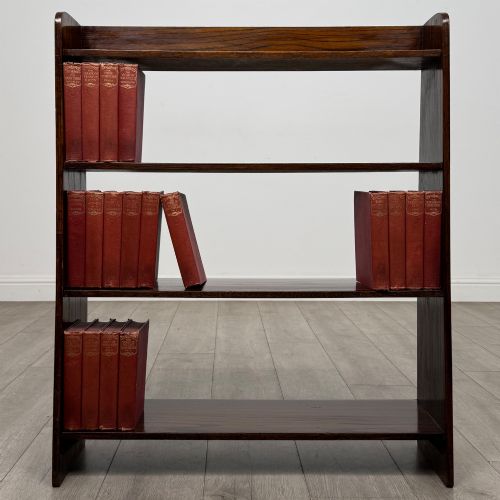
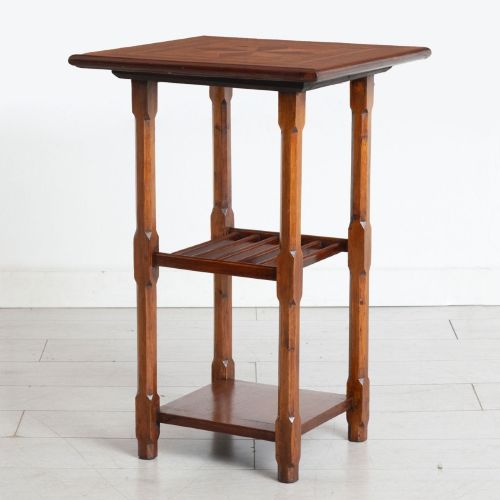
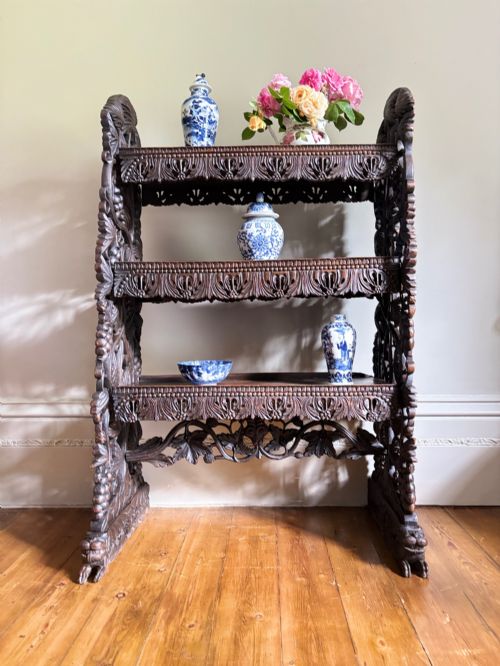
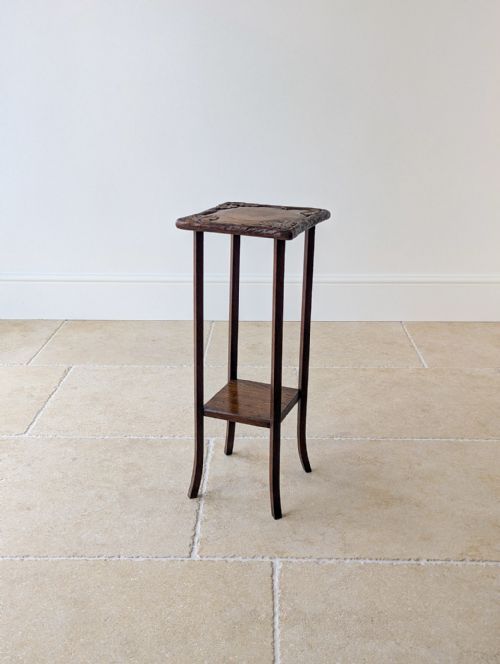
The selection on this page relies heavily on nineteenth and early twentieth-century examples shaped as whatnots, side tables, plant stands and bookcases. These forms utilise multiple horizontal platforms supported by turned or carved vertical members to maximise display space within a compact footprint.
Origins span English country workshops to international influences such as Anglo-Indian and Japanese-inspired designs. Woods shift from durable oak and mahogany to decorative burr walnut, rosewood and satinwood, reflecting the changing interior tastes across the Georgian, Victorian and Edwardian eras.
Materials and construction
Cabinetmakers constructed these stands using dense timbers such as mahogany, oak and walnut, frequently applying veneers like burr walnut or satinwood to visible tiers. Turning, carving and joinery formed the structural skeleton, with barley twist supports and tapered legs appearing across the nineteenth-century pieces.
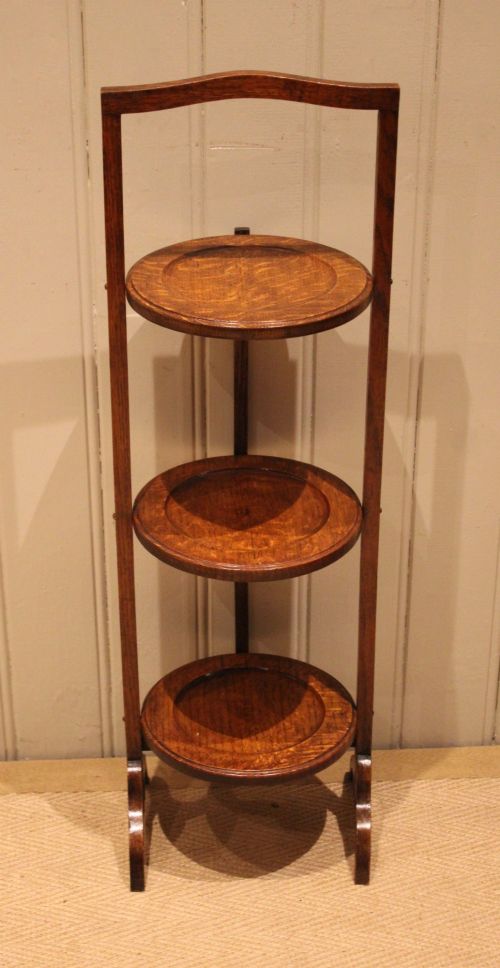
Inlay, marquetry and crossbanding decorated the surfaces of Edwardian and Victorian examples, while specific pieces utilised brass accents or hand-carved elements. Folding mechanisms on certain cake stands and occasional tables introduced functional versatility to domestic interiors.
A monoplane folding tea table stands ready to take flight across the Edwardian drawing room.
Markers of quality
Quality rests upon the selection of timber and the precision of the joinery connecting the tiers to the uprights. Finer examples display carefully matched burr veneers, crisp turning on the legs and structural rigidity across every platform.
Subtle decorative choices, such as delicate marquetry inlay or well-executed brass fittings, elevate a piece above standard utility furniture. The integrity of the tiered shelves and the balance of the overall frame determine the enduring standard of the stand.
Liberty of London·Gabriel Viardot
The Wooden Tiered Display Stand Glossary
- Whatnot
- An open piece of furniture with shelves tiered one above another for displaying ornaments or books. It gained popularity during the Victorian and Regency periods for domestic display.
- Étagère
- A French term for a piece of furniture consisting of a set of open shelves for holding small objects or ornaments. These typically feature lighter proportions than standard whatnots.
- Cake Stand
- A multi-tiered freestanding wooden frame designed originally to hold small plates or cakes for afternoon tea. Edwardian examples often feature folding tiers for easy storage.
- Torchère
- A tall, slender stand or pedestal designed to support a lamp or decorative plant. These single-pillar stands utilise compact circular or shaped tops.
- Barley Twist
- A cylindrical furniture leg or support carved in a spiral shape resembling twisted barley sugar. This decorative turning technique appears frequently on nineteenth-century stands and whatnots.
Wooden Tiered Display Stand: Frequently Asked Questions
What rooms suit a wooden tiered display stand?
These stands fit comfortably in corners, hallways or living spaces where vertical surface area is required without occupying much floor space. Their stacked shelves make them ideal for holding books, ceramics or small plants.
Smaller occasional versions adapt easily beside armchairs or sofas, while taller étagères and whatnots anchor larger empty wall spaces in period interiors.
How do I date a wooden tiered display stand?
Dating relies upon observing the timber species, decorative motifs and structural hardware. Heavy mahogany and rosewood forms with barley twists typically point to Victorian manufacture, whereas lighter inlaid satinwood or oak pieces often align with the Edwardian era.
Georgian and Regency examples tend to feature cleaner architectural lines and dense native hardwoods, while turn-of-the-century pieces occasionally incorporate Aesthetic Movement or Arts and Crafts stylistic cues.
Were these stands used for tea?
Certain tiered forms, particularly Edwardian cake stands, served a specific domestic role during afternoon tea service. Their multiple levels allowed hosts to present pastries and small plates efficiently.
Other configurations, such as whatnots and open bookcases, were intended purely for displaying decorative ornaments, books or collections rather than serving food.
What is the difference between a whatnot and an étagère?
A whatnot is traditionally a multi-shelved English storage piece designed for general display, often featuring sturdy turned supports and corner configurations. An étagère typically shares the same tiered shelving principle but often carries lighter French-influenced proportions and decorative framing.
In practice, both terms describe stepped display furniture, with the distinction resting primarily on the stylistic vocabulary of the maker.