


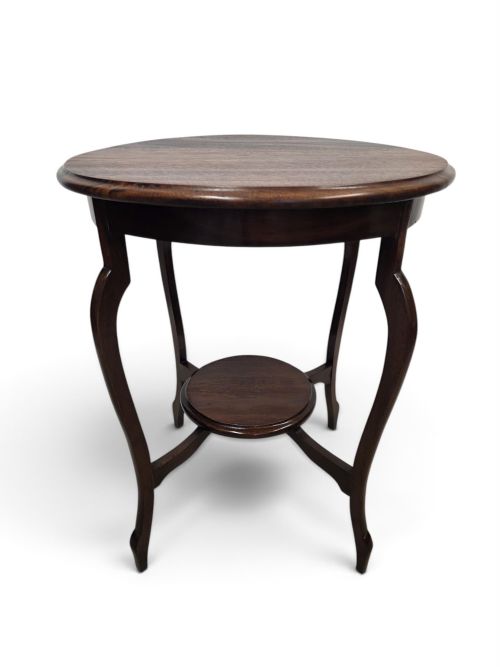
Wooden Tiered Accent Table
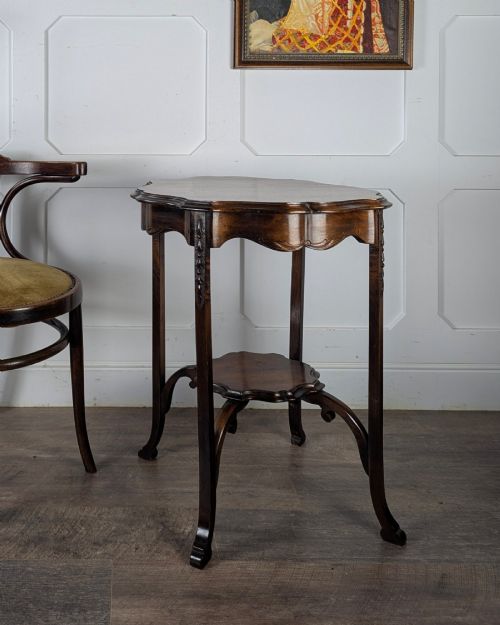
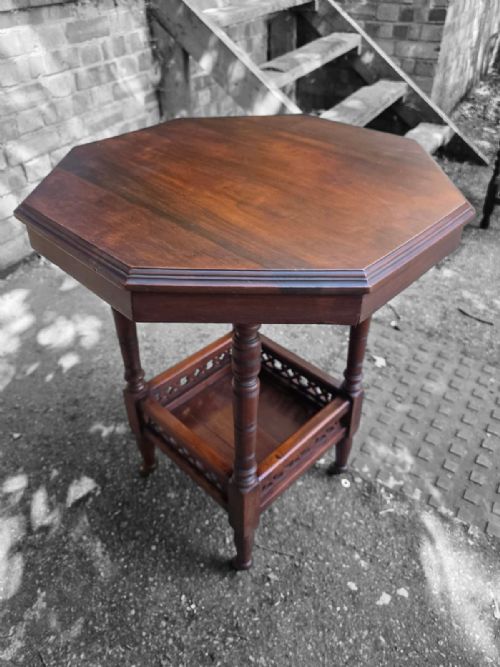
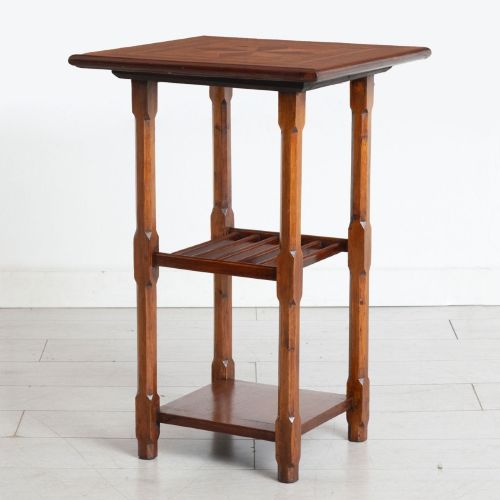
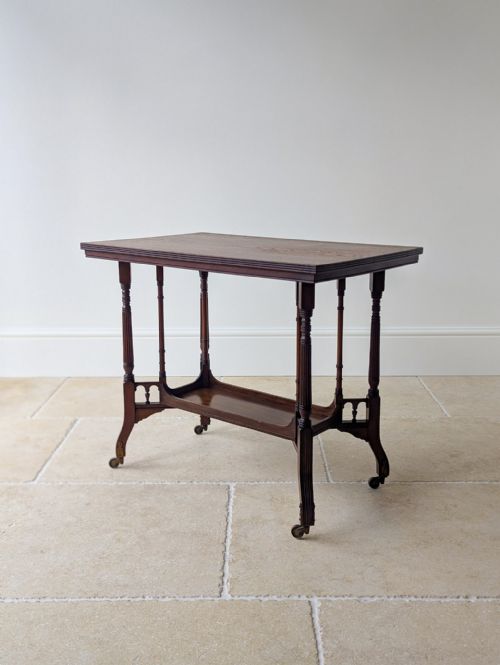
A wooden tiered accent table brings multiple levels of surface area to a room, offering practical display space in compact footprints.
Wooden Tiered Accent Table
When you search for a wooden tiered accent table, you find a variety of occasional, side, and lamp tables designed with multiple levels. These pieces emerge across periods ranging from the Victorian and Edwardian eras into the early twentieth century.
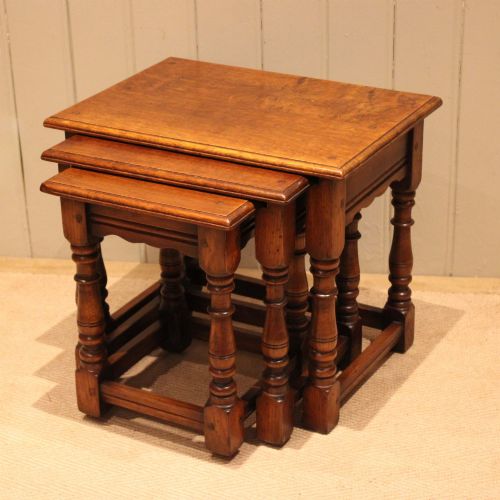
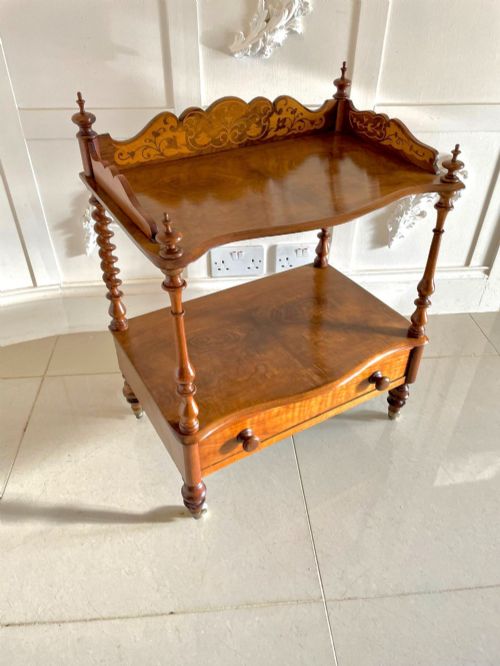
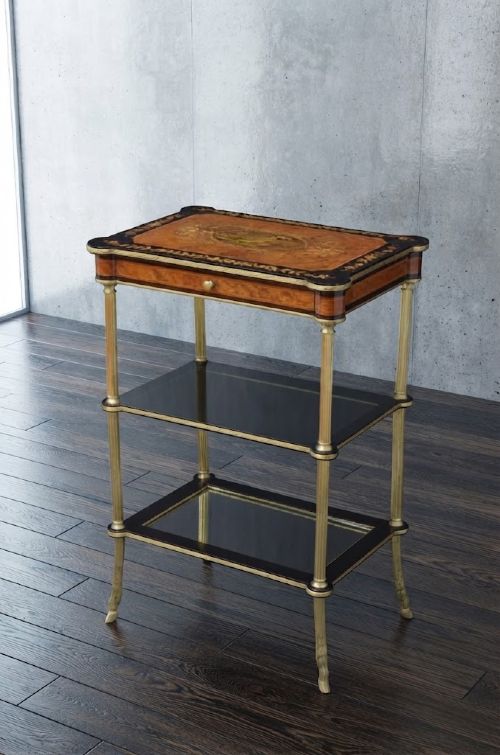
The forms span simple oak nests and walnut occasional tables to more elaborate French marquetry designs and Aesthetic Movement pieces. Makers constructed these multi-level surfaces to serve beside chairs, in hallways, or as plant stands.
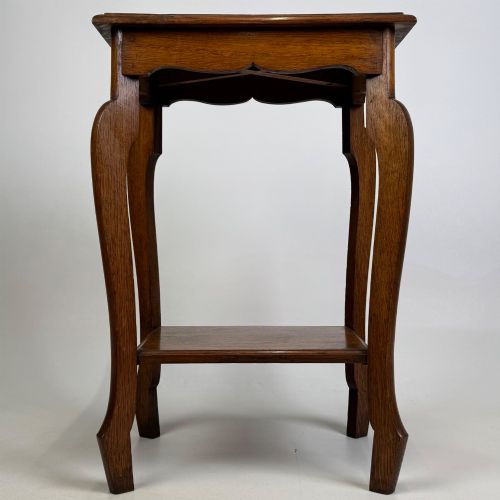
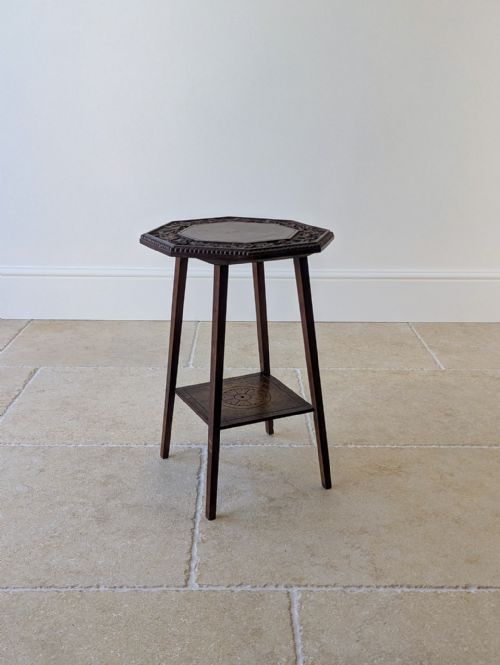
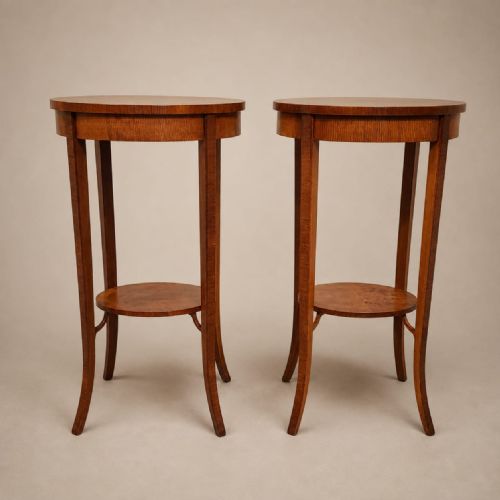
Edwardian mahogany examples and Victorian walnut tables appear frequently among the listings. Buyers encounter both rectangular and oval shapes, alongside octagonal tops and nested sets.
Materials and Construction
Craftsmen built these tables using timbers such as mahogany, walnut, oak, and satinwood, often embellishing surfaces with boxwood inlay, marquetry, or ebonising. Hardwoods provide the structural strength necessary for multiple tiers.
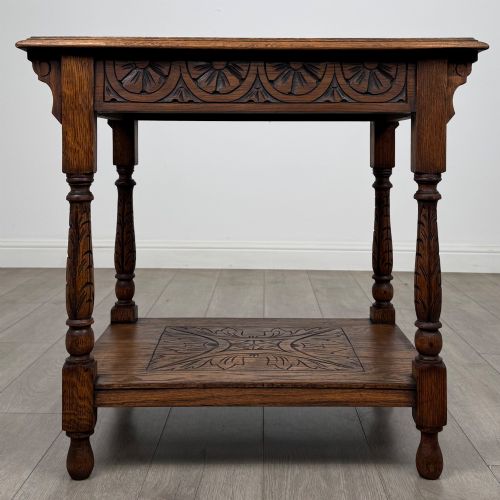
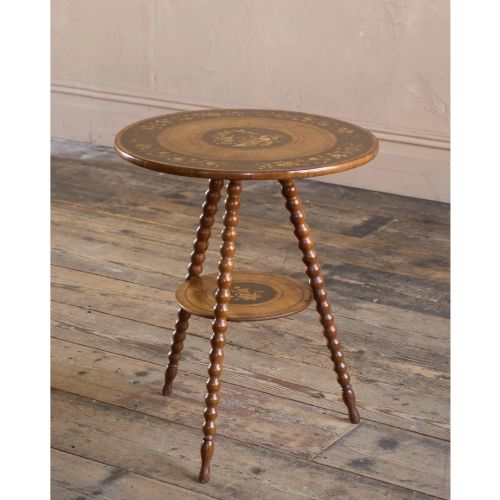
Joinery techniques varied from traditional framing to turned bobbin legs and carved supports, occasionally incorporating brass mounts or mirrored tiers for added visual depth.
Bobbin legs bring a cheerful, spool-turned rhythm to early twentieth-century occasional tables.
Distinctions in Execution
The quality of a tiered table rests upon the selection of timber veneers and the precision of the inlay work. Finer examples display carefully matched grain patterns and crisp carving along the edges and supports.
Structural integrity across multiple levels distinguishes better pieces, ensuring that intermediate shelves remain stable and joined firmly to the main uprights.
Gregory & Co·Liberty of London·William Birch·François Linke·Gabriel Viardot·Gilbert Rohde
The Wooden Tiered Accent Table Glossary
- Occasional table
- A small, movable table designed for sporadic use rather than a singular dedicated purpose. These pieces fit easily beside seating arrangements.
- Marquetry
- Decorative veneer work forming geometric or pictorial patterns using various coloured woods. Artisans applied this technique to tabletop surfaces.
- Aesthetic Movement
- A late nineteenth-century design style emphasising visual beauty over narrative content. Pieces from this movement often feature ebonized finishes.
- Nest of tables
- A set of graduated tables designed to slide neatly beneath one another. This arrangement conserves floor space when the pieces are not in use.
Wooden Tiered Accent Table: Frequently Asked Questions
What is a wooden tiered accent table used for?
These tables provide supplementary surface space for lamps, decorative objects, and daily essentials across multiple levels. Their compact design allows them to fit neatly beside sofas or in corners.
Historically, makers designed these pieces for sitting rooms and parlours where extra display area was useful. Today, they serve a similar function in modern interiors.
How do I identify an Edwardian tiered table?
Edwardian examples typically feature lighter timbers such as mahogany or satinwood, frequently accented with delicate inlay or stringing. The silhouettes tend to remain graceful and refined.
These pieces often date from the early twentieth century and reflect a shift toward brighter, less cluttered interior aesthetics compared to earlier Victorian designs.
Where should I place a multi-tier table?
Multi-tier tables suit spaces that benefit from vertical display without a large footprint. Placing one beside an armchair creates a convenient spot for books and lighting.
They also function effectively as lamp tables or plant stands in hallways and living rooms, utilising the lower shelves for additional items.
What distinguishes Arts and Crafts tables?
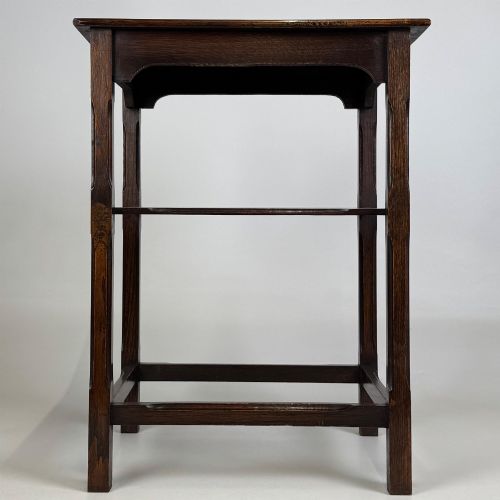
Arts and Crafts pieces emphasise honest construction, solid oak timbers, and straightforward forms rather than excessive ornamentation. Handcrafted details often define their character.
These tables frequently display a sturdier build and a focus on the natural grain of the wood, aligning with the philosophy of the movement.