

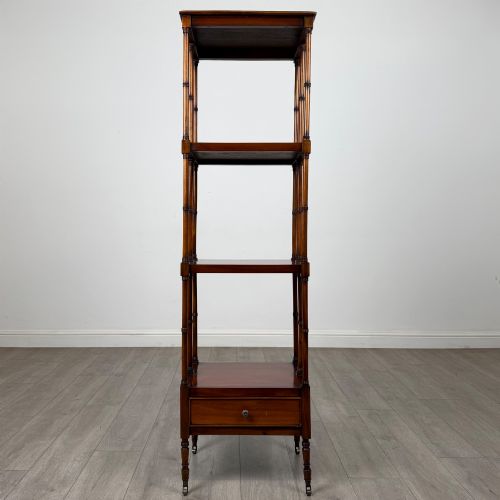
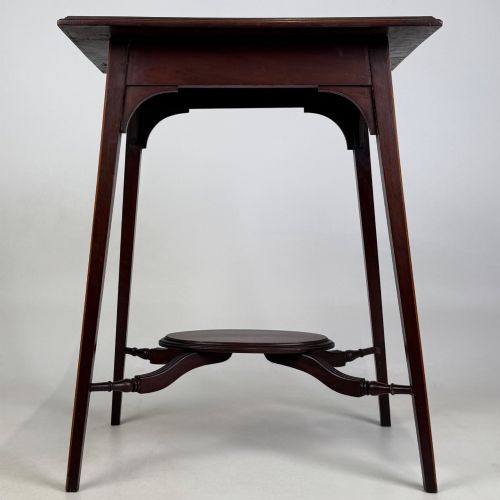
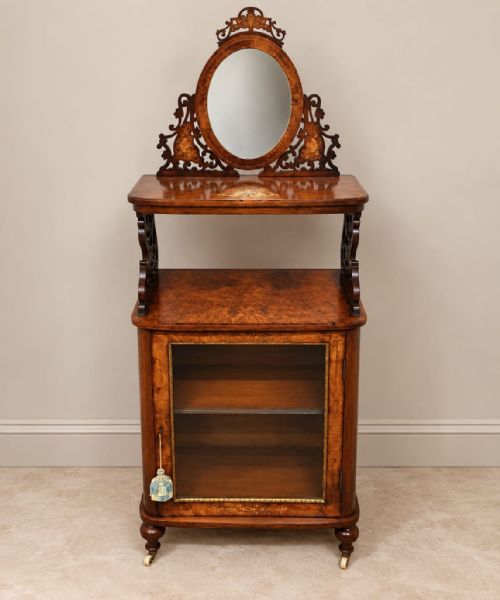
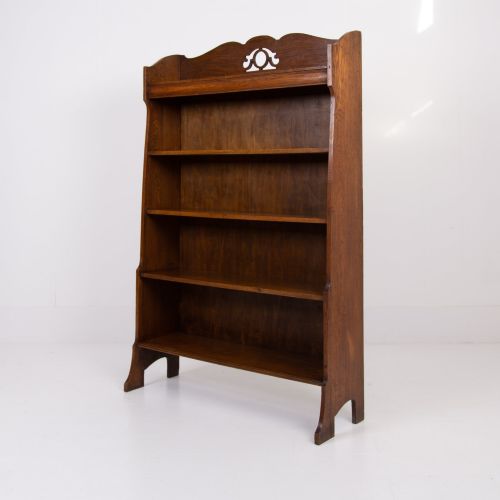
Vintage Wooden Display Stand
A vintage wooden display stand elevates objects for proper viewing, bringing timber character and practical height to any room.
Vintage Wooden Display Stand
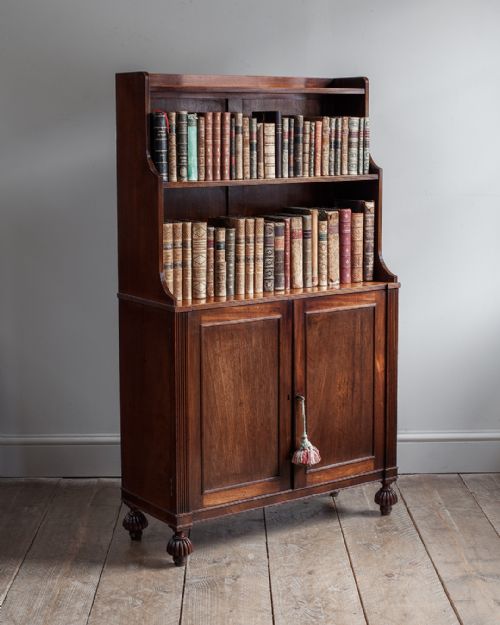
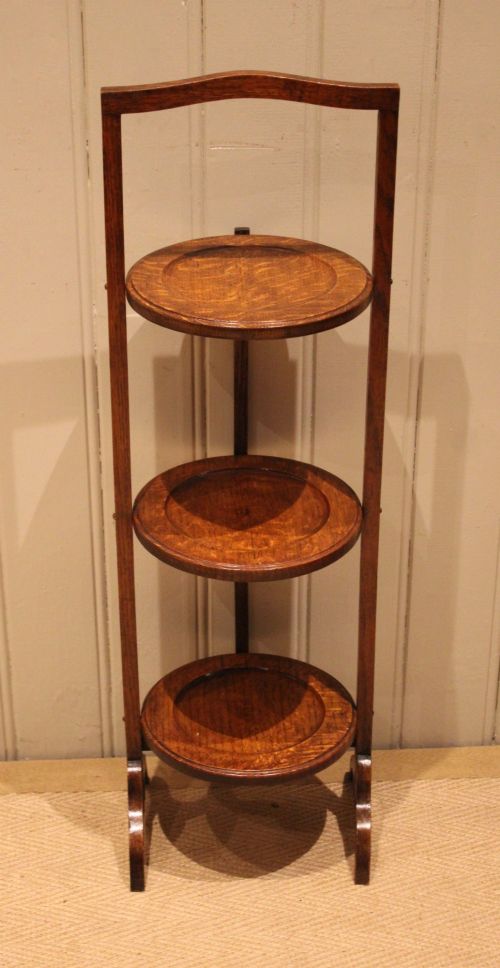
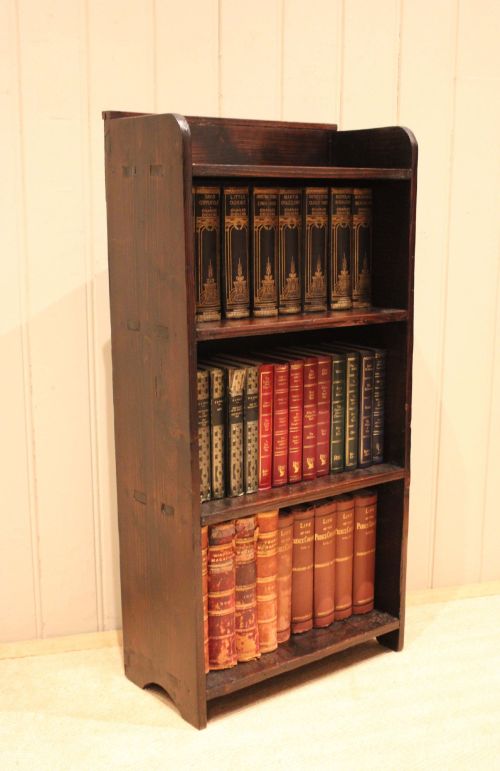
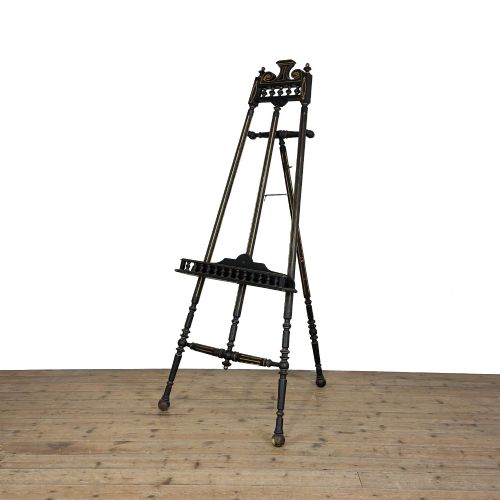
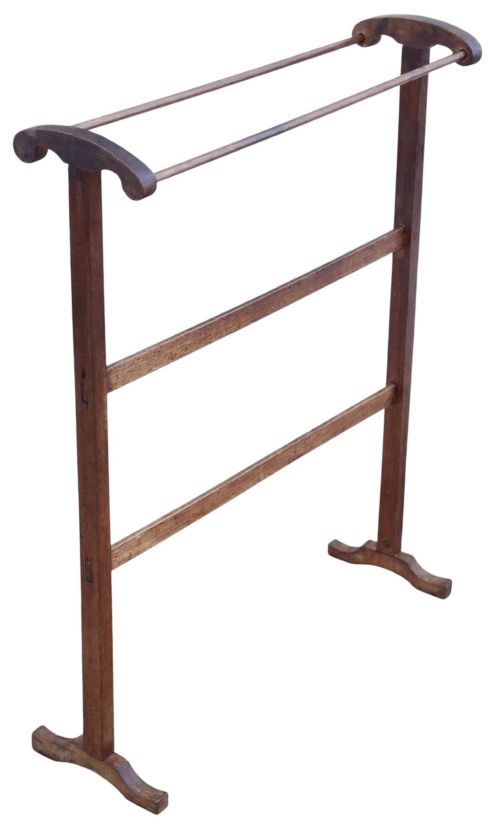
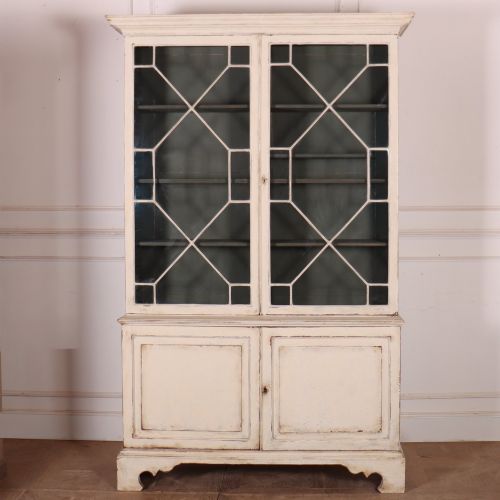
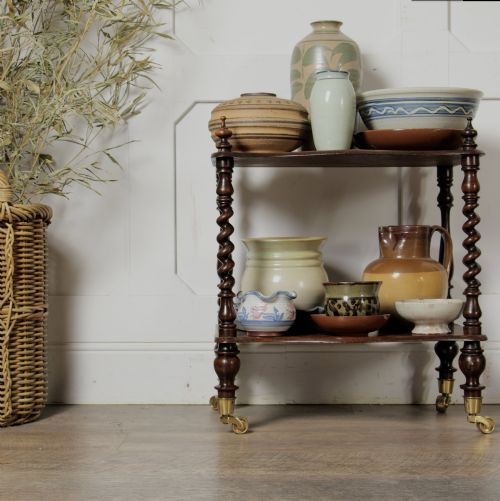
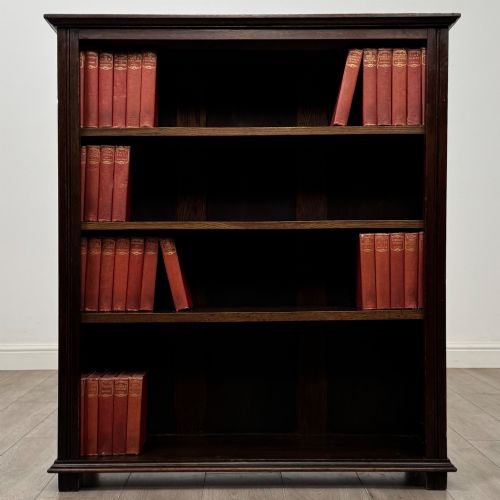
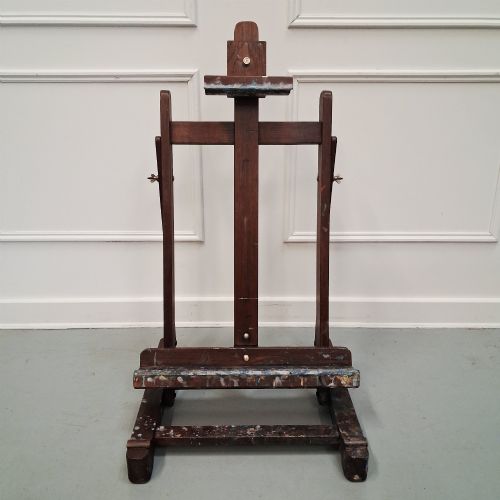
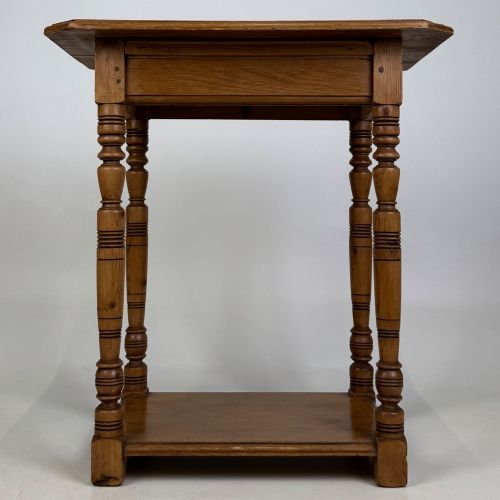
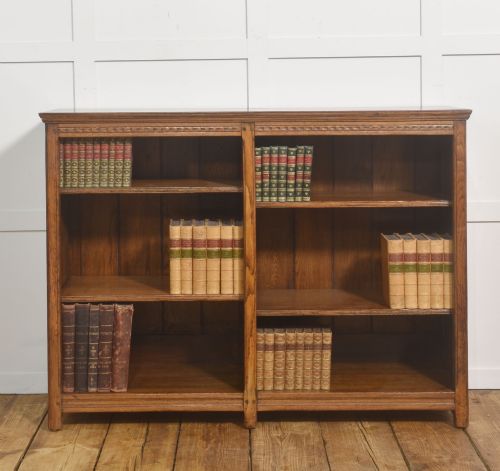
When you search for a vintage wooden display stand, you encounter a varied group of elevation pieces spanning several centuries. The selection encompasses tall bookcases, plant stands, pedestals, and easels intended to exhibit books, plants, and decorative items. Oak and mahogany dominate the offerings, appearing in forms from Edwardian open bookcases to Victorian plant stands.
Edwardian and Victorian pieces emerge most frequently among the current listings, alongside examples from the Georgian and Regency periods. You will encounter utilitarian pine open bookcases next to carved oak pedestals and inlaid mahogany plant stands. Each form serves a specific function in raising objects off the floor or table surface.
Materials and construction
Cabinet makers utilised solid timbers including oak, mahogany, walnut, and pine to build these stands, often adding boxwood stringing for subtle decoration. Brass hardware appears on cabinets and easels, while glass panels protect contents in glazed bookcases. Turning, carving, and joining techniques define the structural integrity of each piece.
Surfaces receive various finishes ranging from French polished mahogany to ebonised treatments and painted coatings. Grain patterns dictate the visual appeal, particularly in burr walnut and golden oak examples where natural timber figure takes precedence over applied ornament.
Several stands come equipped with rotating tiers and folding legs, proving that Victorians loved transforming furniture just as much as we do.
Distinguishing quality
Superior examples demonstrate refined timber selection and precise joinery that withstands decades of use. The choice of quarter-sawn oak or finely figured mahogany separates standard utilitarian items from pieces intended for formal reception rooms.
Carved details, inlaid boxwood motifs, and structural stability indicate the level of craftsmanship invested in the stand. Proportions and the integration of functional elements, such as adjustable shelving in bookcases, reveal the maker's intent and skill.
The Vintage Wooden Display Stand Glossary
- Torchere
- A tall stand designed to hold a lamp or decorative object. These slender supports often feature turned columns and tripod bases.
- Plinth
- A heavy base or lower block supporting a column, statue, or display stand. They provide stability and elevate the mounted object to eye level.
- Easel
- An upright support used for displaying pictures, books, or panels. Folding mechanisms and adjustable ledges allow for varied viewing angles.
- Whatnot
- An open set of multi-tiered shelves used for displaying ornaments or books. They became popular during the Victorian period for corner or wall placement.
- Jardiniere stand
- A specialised piece designed to hold plant pots and floral arrangements. They frequently incorporate waterproof liners or tiled upper surfaces.
Vintage Wooden Display Stand: Frequently Asked Questions
How do I choose the right bookcase?
Consider the available floor space and the height of the items you intend to display on the shelves. Open bookcases offer easy access and suit casual settings, while glazed or cabinet versions protect delicate volumes from dust.
Check whether the shelves are fixed or adjustable to accommodate varying book heights.
Where should I place a display easel?
Floor-standing easels require a dedicated corner or wall space where artwork, framed photographs, or antique books can serve as a focal point. Tabletop versions fit easily onto side tables, chests, or desk surfaces without dominating the room.
Position them away from direct sunlight to protect paper and canvas items.
How do I care for antique wood stands?
Dust surfaces regularly with a soft, dry cloth to prevent particulate build-up that can scratch polished timber. Avoid placing wooden stands near direct heat sources or in damp areas, which cause the wood to warp or split over time.
Apply a quality wax periodically to nourish the grain and maintain the finish.