
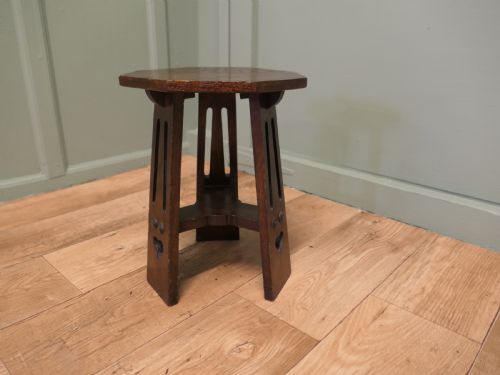
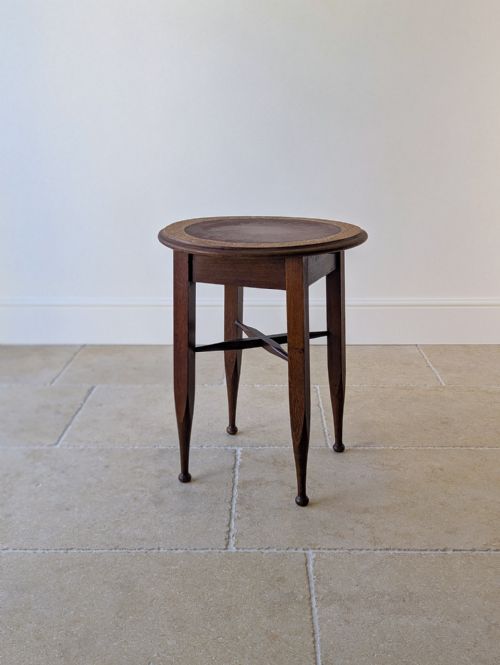
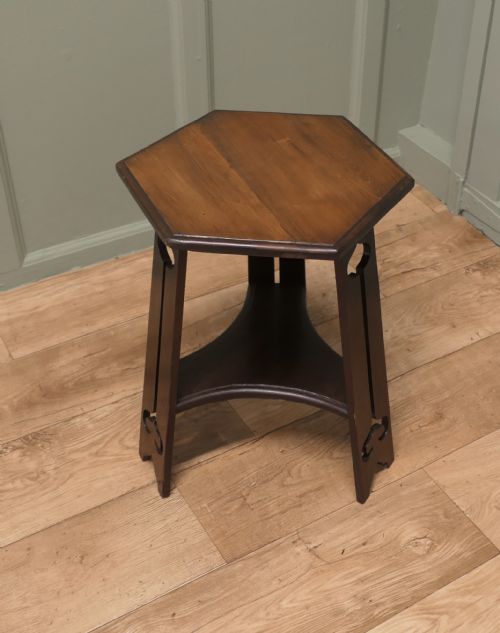

Antique Lamp Stand Table
When searching for an antique lamp stand table, buyers find versatile timber and marble supports designed to hold domestic lighting.
Antique Lamp Stand Table
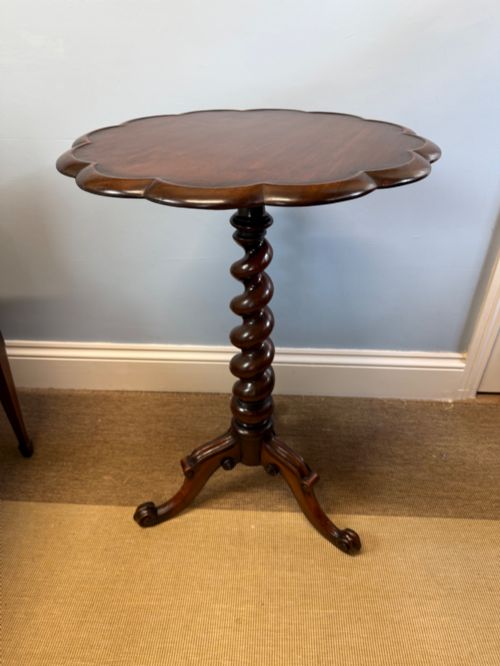
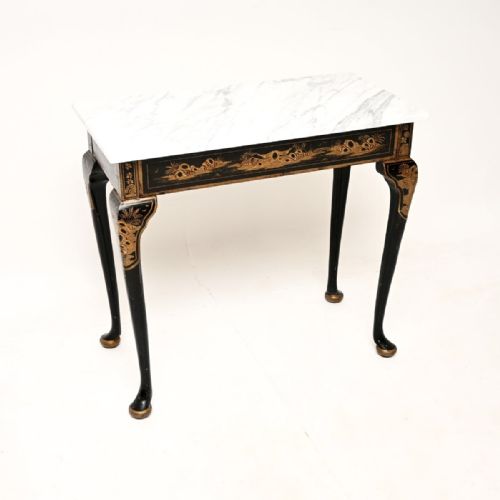
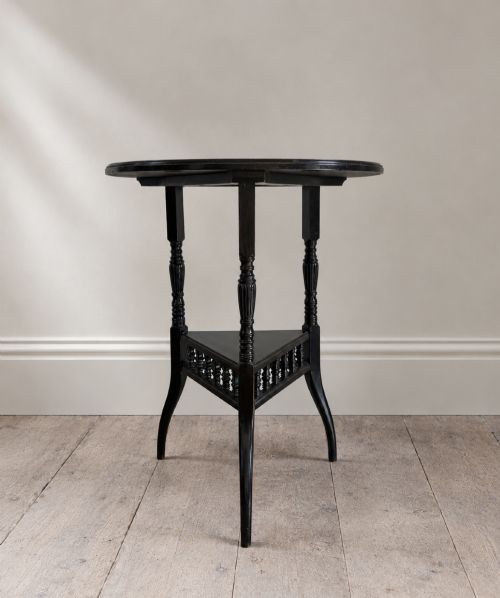
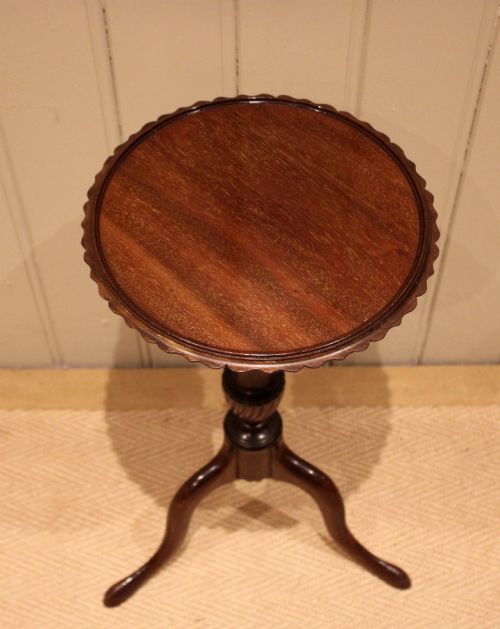
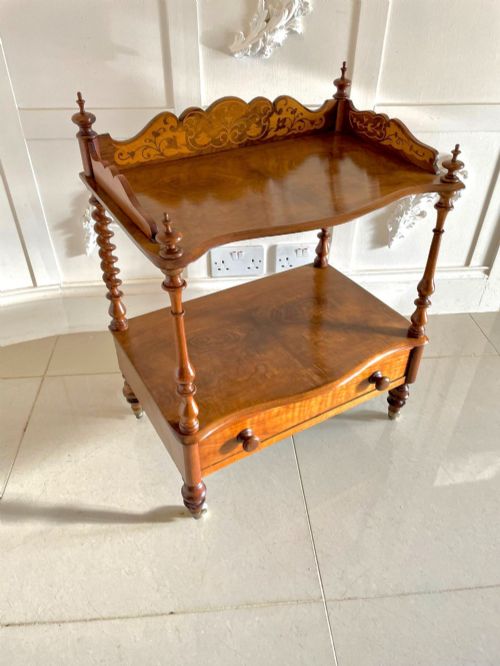
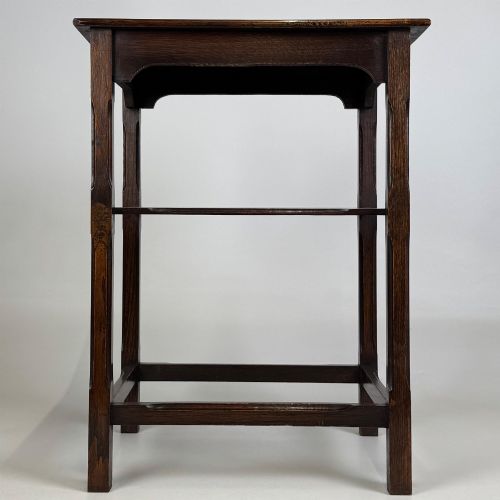
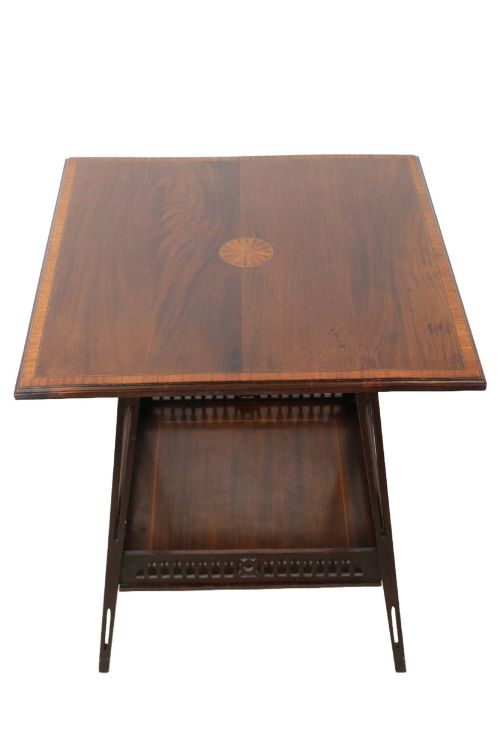
An antique lamp stand table serves as a sturdy surface for illumination, taking the form of side tables, occasional tables, wine tables, and plant stands across this selection.
Makers designed these pieces during the Georgian, Victorian, and Edwardian periods, utilising compact footprints suited to parlours and drawing rooms.
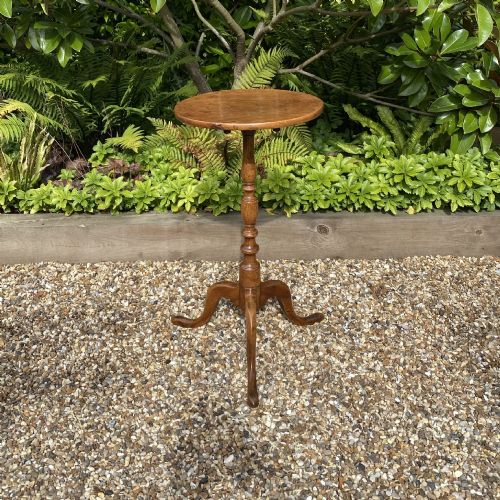
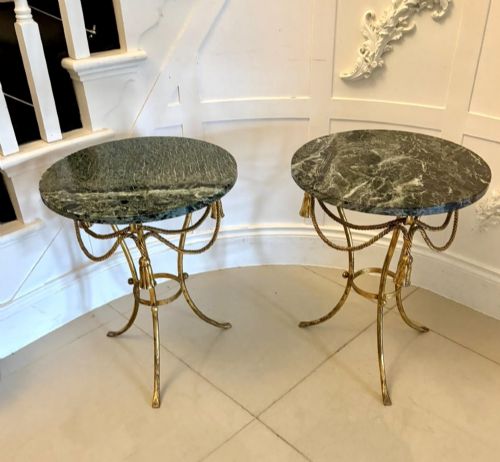
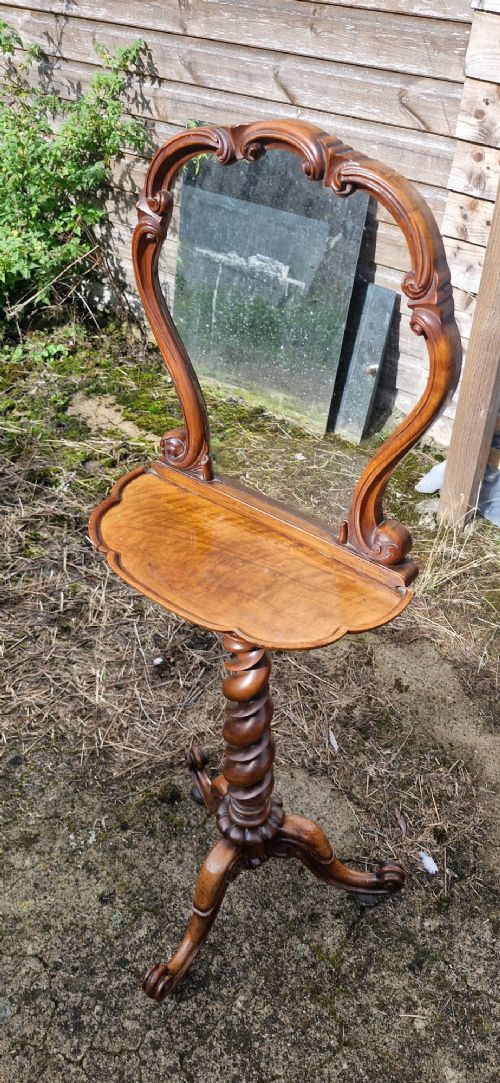
The most frequent examples combine circular or octagonal timber tops with tripod legs or central pedestals, alongside occasional marble inserts.
Evaluating Execution
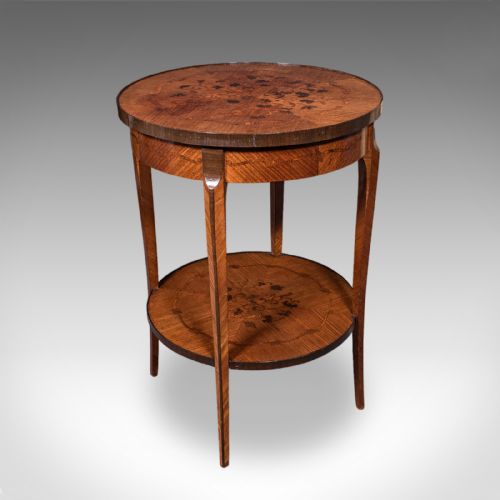
Superior examples display precise grain selection in burr walnut or rosewood veneers, balanced proportions in tripod bases, and crisp hand-carved detailing.
Lower tiers rely on plain secondary timbers with heavier proportions, simpler turned columns, and minimal decorative enrichment.
The listings feature lamp tables executed in mahogany, oak, walnut, rosewood, and exotic kingwood, spanning the Georgian to Edwardian eras.
Trevor Page & Co·Liberty & Co·William Birch·Druce & Co
The Antique Lamp Stand Table Glossary
- Marquetry
- Decorative veneer patterns formed by fitting together small pieces of wood, shell, or ivory to create pictorial designs on tabletops.
- Tripod table
- A small freestanding table supported by a pillar above three spreading legs, common in wine and lamp table designs.
- Ormolu
- Gilded bronze mounts cast and chased by hand, applied to French and English tables of the Victorian era.
- Wine table
- A compact occasional table with a small circular top, originally intended for holding drinking glasses beside seating.
- Tilt-top
- A hinged tabletop mechanism allowing the surface to be rotated vertically and stored flat against a wall when not in use.
Antique Lamp Stand Table: Frequently Asked Questions
What is an antique lamp stand table?
An antique lamp stand table is a small, portable piece of furniture designed specifically to support a portable light source or oil lamp beside a chair or sofa.
These compact surfaces allowed Victorians and Edwardians to move illumination around domestic rooms before fixed wall wiring became standard.
How were these tables used originally?
In nineteenth-century drawing rooms, these tables held heavy oil lamps, reading candles, or decorative items like vases and small planters.
Their lightweight construction meant servants could easily reposition them as evening seating arrangements shifted.
How do I date an Edwardian piece?
Edwardian lamp tables, dating from roughly 1901 to 1910, often feature lighter mahogany or oak frames with subtle string inlay and simpler turned supports.
They tend to lack the heavy carving and dense marquetry found on earlier Victorian examples.
Where should I place one at home?
These tables fit naturally beside armchairs, sofas, or bedsides where surface space is needed for a reading light, a book, or a drink.
Their compact footprints make them useful in hallways and awkward corners that require a functional focal point.