

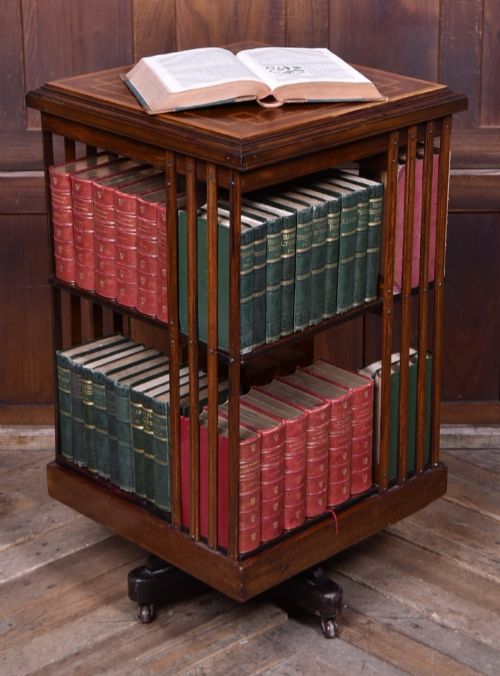
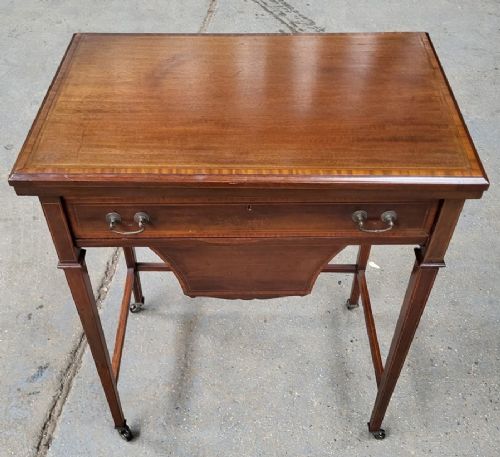
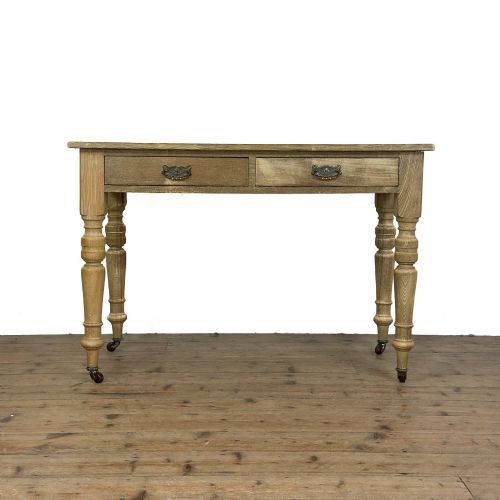
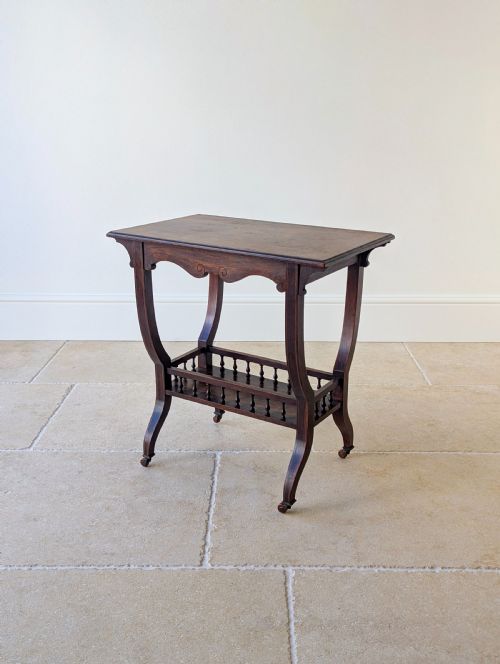


Edwardian Side Table on Castors
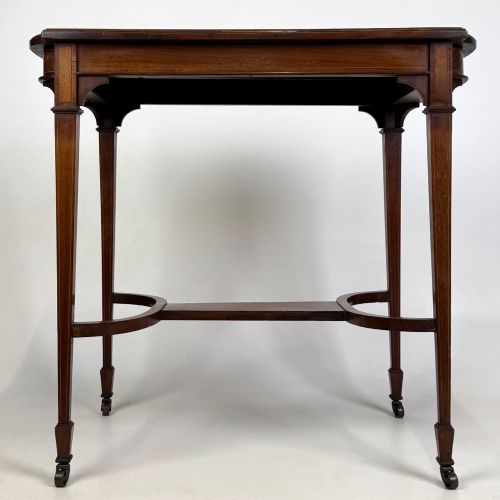
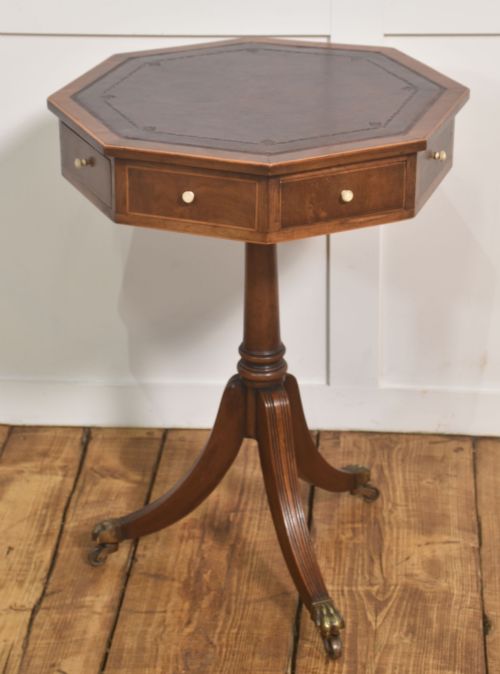
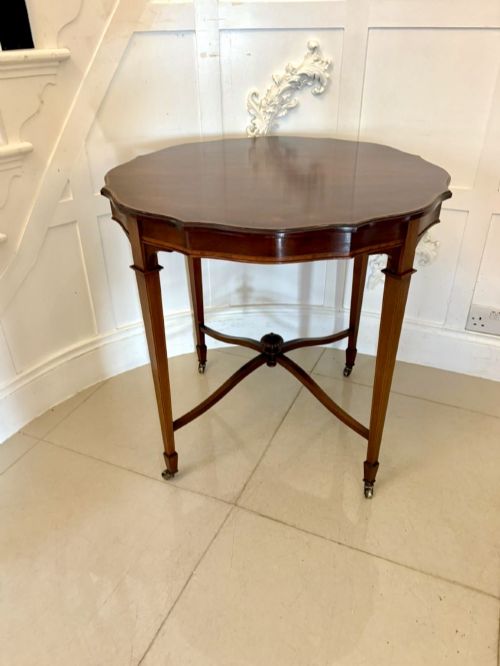
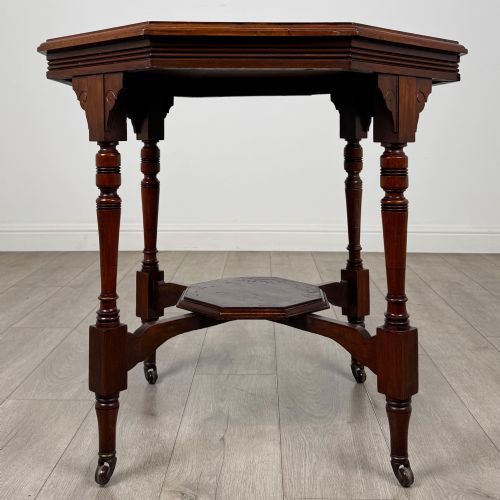
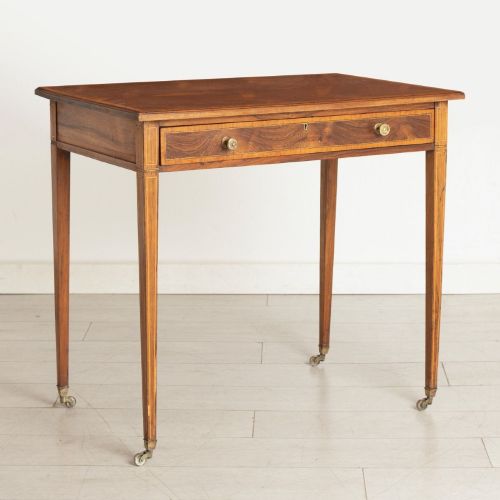
These edwardian side table on castors pieces combine domestic mobility with period timber work, offering a flexible surface that moves easily across the floor.
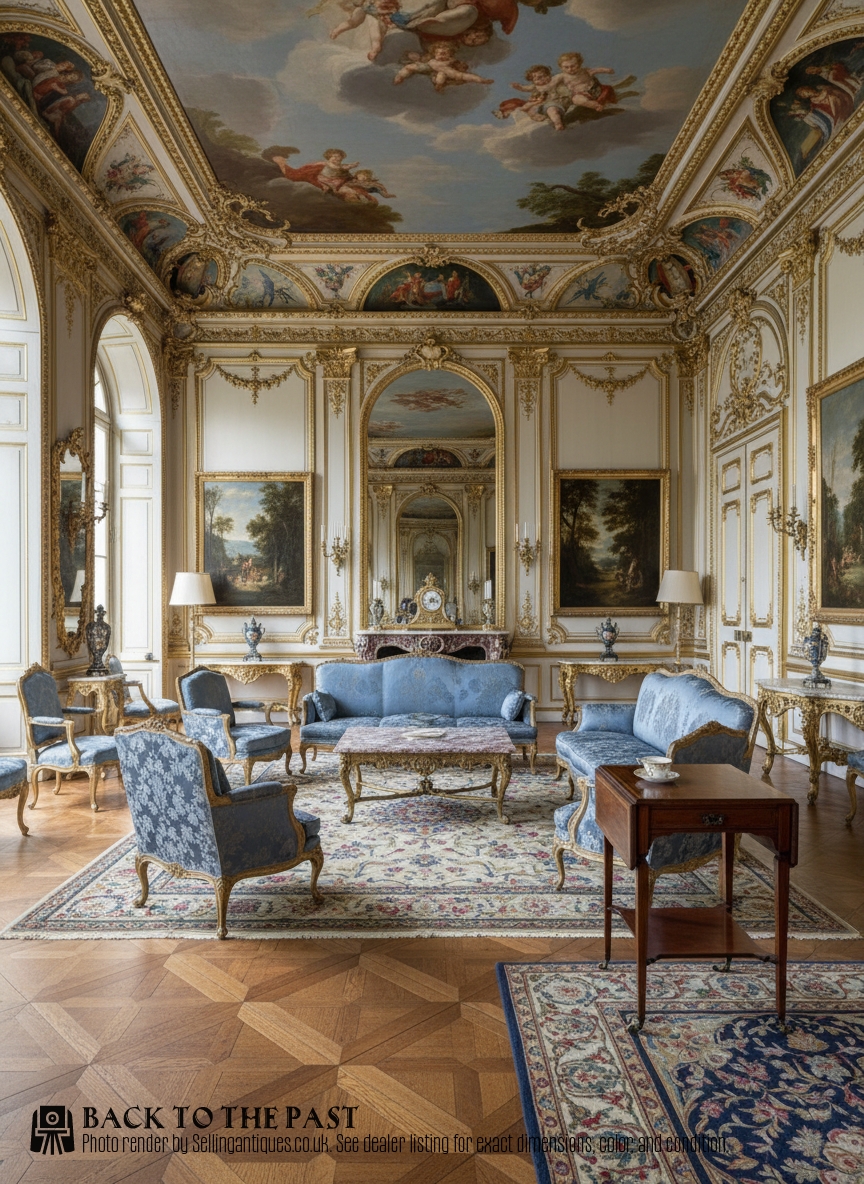
Edwardian Side Table on Castors
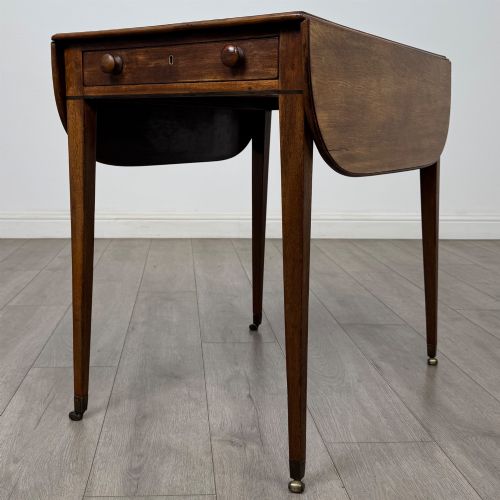
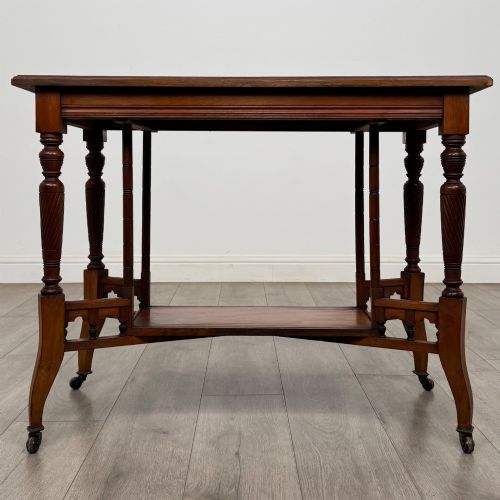
An edwardian side table on castors sits primarily within the Edwardian and early twentieth century periods, though related pieces stretch from Victorian walnut to Regency mahogany. Buyers searching for an edwardian side table on castors encounter occasional forms, lamp tables, and Pembroke variants equipped with small wheels beneath their legs.
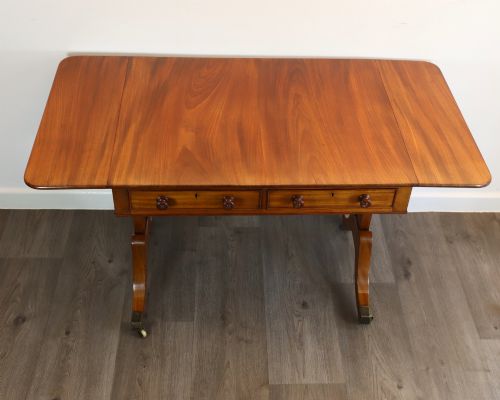
Makers of this era produced occasional tables, drop-leaf designs, and writing desks configured for easy repositioning in drawing rooms and parlours. The inclusion of castors allowed homeowners to shift these light tables closer to seating or move them aside as daily domestic layouts required.
Most examples rely on Edwardian or late nineteenth century frameworks executed in mahogany, satinwood, or rosewood, frequently incorporating cross-banding or inlaid details. These pieces bridge the gap between fixed architectural furniture and portable utility.
Quality and Execution
The distinction between standard utility items and finer examples rests on the crispness of the inlay and the selection of figured timber grain. Superior pieces display finely balanced satinwood banding and tight mahogany figures rather than plain, unadorned surfaces.
The integrity of the structural joints and the original operation of the castors determine how well the piece survived active household use. Tables that retain their original brass wheel mountings and tight leg junctions hold greater fidelity to their original workshop condition.
Listings feature mahogany, satinwood, and rosewood alongside occasional pine and walnut structures.
Andrew Thomson And Sons·Carters Of London
The Edwardian Side Table on Castors Glossary
- Castor
- A small wheel mounted on a swivel assembly at the foot of a table leg. This mechanism allows heavy or portable furniture to glide across carpets and floorboards with minimal effort.
- Inlay
- A decorative technique where pieces of contrasting wood, shell, or brass are inserted into recesses cut into the primary surface. It defines Edwardian and Sheraton Revival ornamentation.
- Cross-banding
- A border strip of veneer laid around the perimeter of a tabletop with the grain running perpendicular to the centre panel. This frames the main timber visually.
- Pembroke table
- A small drop-leaf table featuring hinged flaps on two opposing sides. They were designed for versatile placement near walls or beside chairs.
- Occasional table
- A light, movable small table intended for specific, non-permanent tasks in a principal room. They often double as lamp or display stands.
Edwardian Side Table on Castors: Frequently Asked Questions
What rooms suit an edwardian side table on castors?
These tables fit easily beside armchairs in a sitting room or function as small lamp stands in a hallway. Their compact footprints and mobile frames adapt well to smaller spaces.
The castors allow the table to shift position when cleaning or rearranging seating without heavy lifting. They serve wherever a moveable surface is useful.
How do I spot an Edwardian piece from a Victorian one?
Edwardian tables generally display lighter framing, brighter satinwood inlays, and a more delicate aesthetic compared to heavier Victorian walnut or dark mahogany. The overall proportions tend to feel less massive.
Makers working around nineteen hundred favoured refined stringing and tapered supports rather than the robust turned legs typical of mid nineteenth century workshop production.
Are the castors on these tables original?
Castors experienced heavy wear and frequently underwent replacement during the working life of domestic furniture. Brass fittings on Edwardian pieces should match the age and wear pattern of the leg terminals.
Examining the screw fixings and timber indentations around the foot reveals whether the wheels belong to the original period of manufacture or represent later workshop repairs.
How should I care for polished mahogany and satinwood surfaces?
Maintenance requires simple dusting with a soft, dry cloth and avoiding direct exposure to strong sunlight or radiator heat. Excess moisture damages traditional polish.
Occasional application of appropriate wax feeds the timber without building up a heavy, cloudy film. Gentle upkeep preserves the natural lustre of the grain.