


Wooden Sword Stick
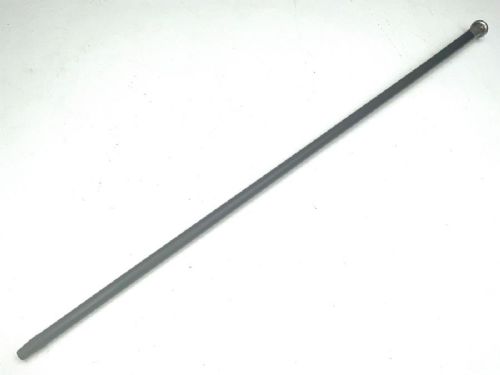
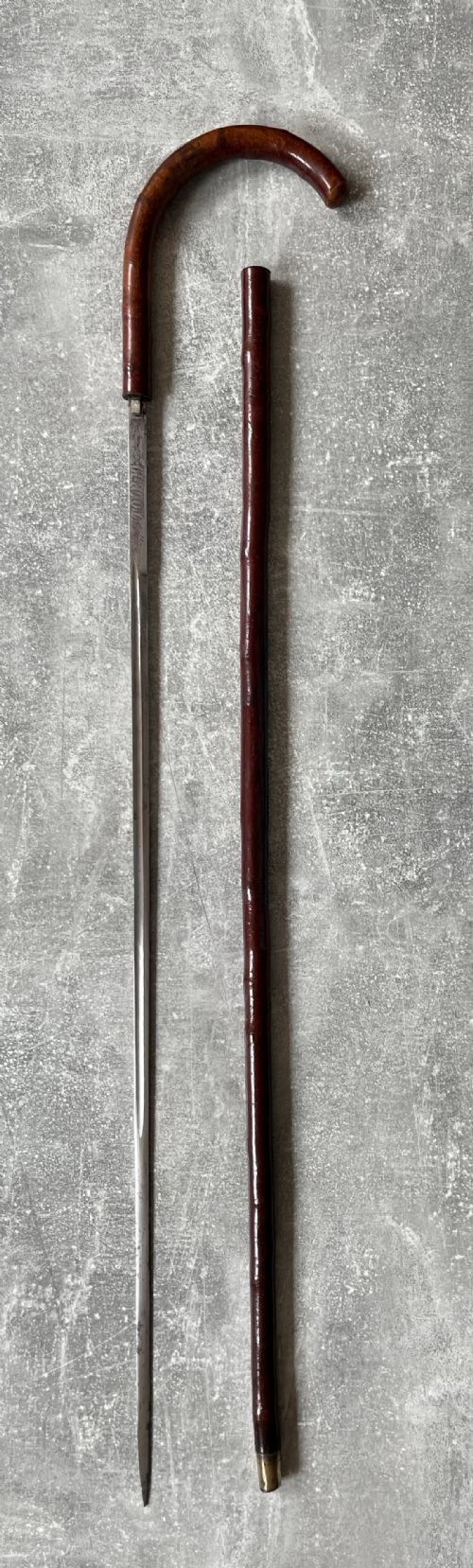
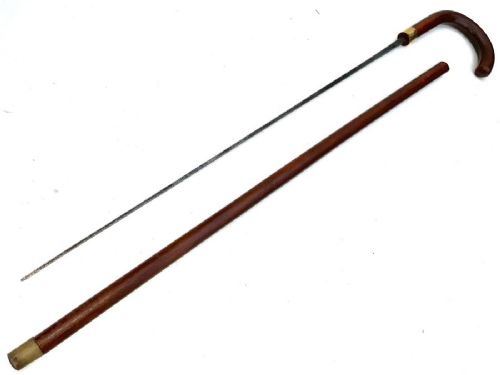
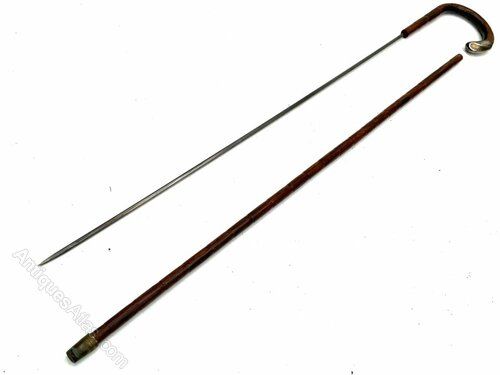
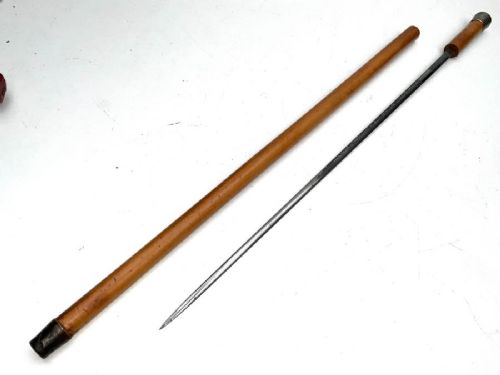
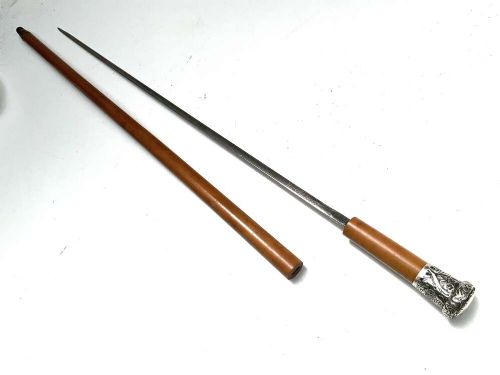
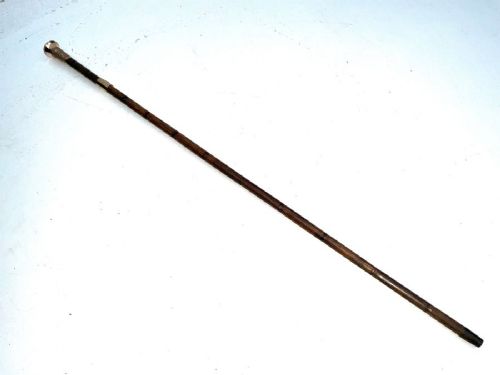
A wooden sword stick combines the appearance of an everyday walking cane with a concealed steel blade.
Wooden Sword Stick
A wooden sword stick serves primarily as a gentleman's walking cane while housing a hidden blade inside the shaft. These pieces emerged strongly during the Victorian and Edwardian periods, reflecting an era when personal protection or military dress often involved such items.
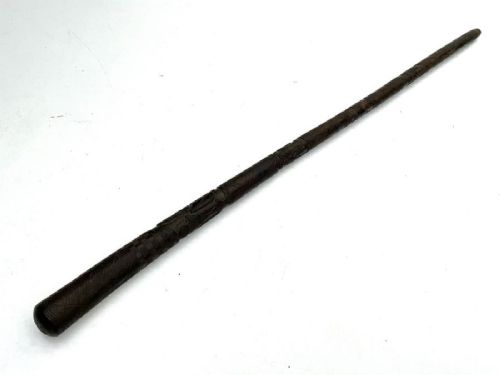
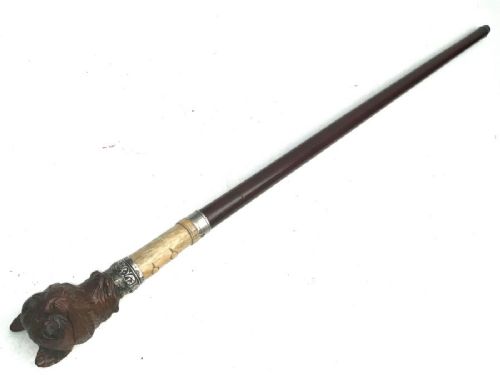
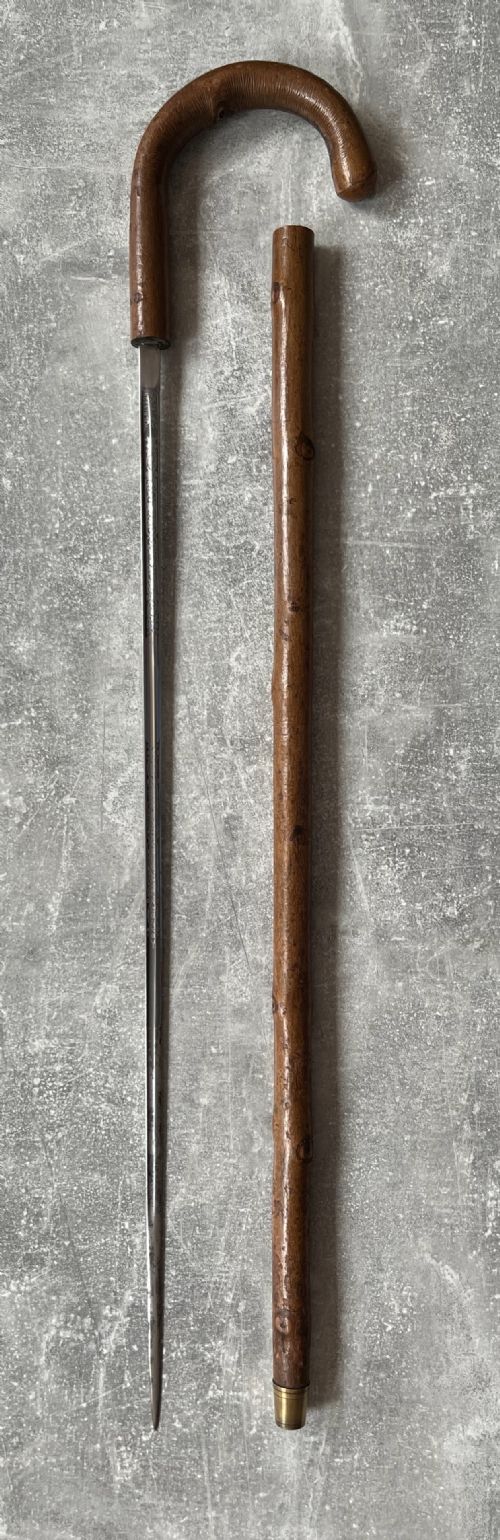
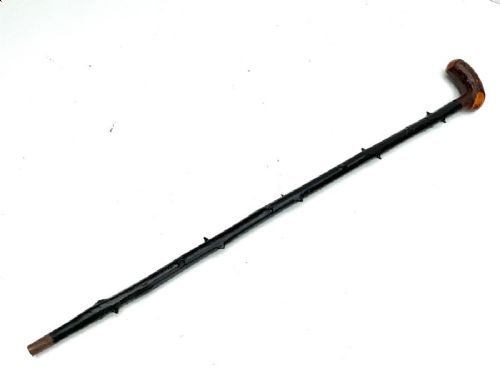
The versions met most frequently on this page range from military officers' swagger sticks and masonic examples to traditional blackthorn and malacca walking canes. Handles vary widely, taking the form of crooked hazel, antler, horn, or novel carved grips.
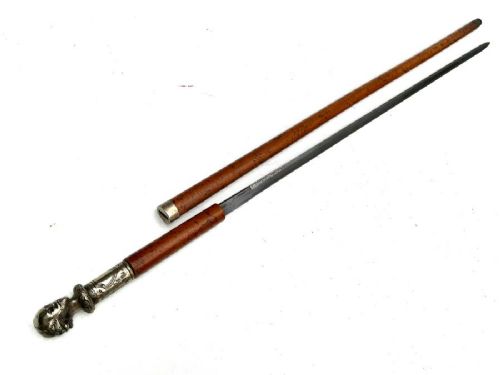
Makers utilised various timbers including cherrywood, partridge wood, rosewood, and hazel to construct the outer shafts. Metal collars in silver or brass frequently secure the join between the handle and the wooden body.
How they were made
Craftsmen shaped natural woods such as blackthorn, malacca, and rosewood to form the outer scabbard and handle. Horn, bone, and antler were commonly shaped for specialised grips.
Steel blades, notably Toledo variants, were fitted tightly within the wooden channels to ensure the stick maintained its dual purpose without betraying the hidden weapon.
Wooden Sword Stick Retail Price Guide 2026
Typical asking prices for wooden sword stick among the pieces listed under this phrase on Sellingantiques today, from the lower quarter to the upper quarter. They describe what is for sale here now, not the wider market.
Some gentlemanly walking sticks conceal surprising details, from masonic symbols to root-ended handles and initials like LN.
What varies in quality
The integrity of the timber shaft and the snugness of the fit between the handle and the scabbard define the standard of the piece. Finer examples display precise metal collar work and robust steel blades.
Provenance and specific detailing, such as regimental association or masonic symbolism, elevate certain pieces above standard civilian walking canes.
The Wooden Sword Stick Glossary
- Swagger stick
- A short cane carried by military officers as a symbol of authority. These are typically slimmer than standard walking sticks.
- Malacca
- A slender rattan cane imported from Southeast Asia, prized for its strength and mottled brown finish. It forms the shaft of many superior sword sticks.
- Blackthorn
- A dense, dark wood traditionally sourced in Ireland, often retained with its natural knotty texture for walking sticks. It provides a sturdy outer casing.
- Toledo blade
- A steel blade originating from the Spanish city renowned for weapon smithing. These blades are often stamped on the metal.
- Masonic
- Pertaining to Freemasonry, indicated by symbols or crests carved into the handle or concealed on the blade. These pieces date largely to the late nineteenth and early twentieth centuries.
Wooden Sword Stick: Frequently Asked Questions
What is a wooden sword stick?
A wooden sword stick is a walking cane with a concealed steel blade housed inside the wooden shaft.
They were carried by gentlemen and military officers during the Victorian and Edwardian eras for personal defence or ceremonial use.
How do you open a sword stick?
Most wooden sword sticks release through a screw mechanism, a push-button catch, or a simple pull-apart friction fit between the handle and the shaft.
Care must be taken when handling older mechanisms to avoid damaging the wooden collar.
Were these used by the military?
Military officers frequently carried swagger sticks and sword sticks as part of their walking out dress.
Examples marked with regiments such as the Grenadier Guards reflect this official usage.
How do you date a sword stick?
Dating relies on the style of the handle, the timber used, and any hallmarked silver collars indicating specific years like those from the 1900s or 1910s.
Victorian and Edwardian markers provide the primary chronological framework for these pieces.