


Wooden Stationery Organiser
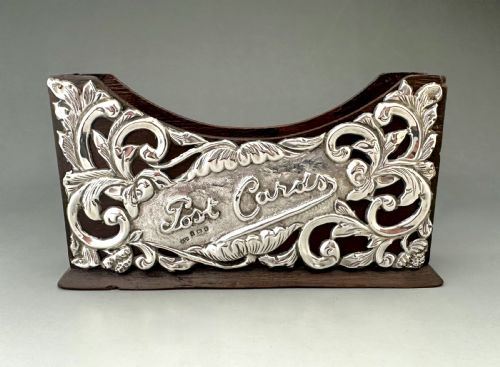
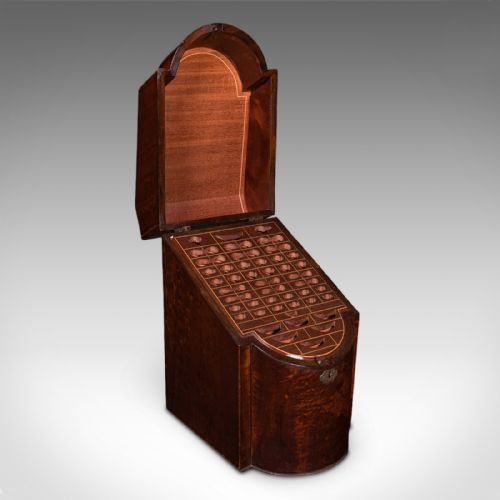
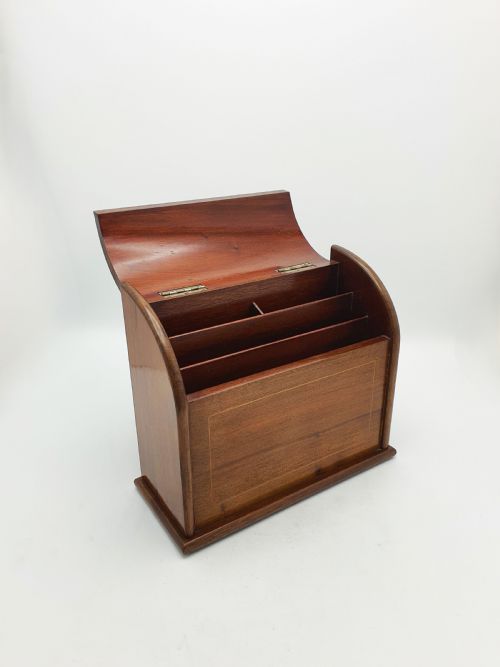
A wooden stationery organiser keeps correspondence tidy on a desk, bringing order and fine timber grain into a room.
Wooden Stationery Organiser
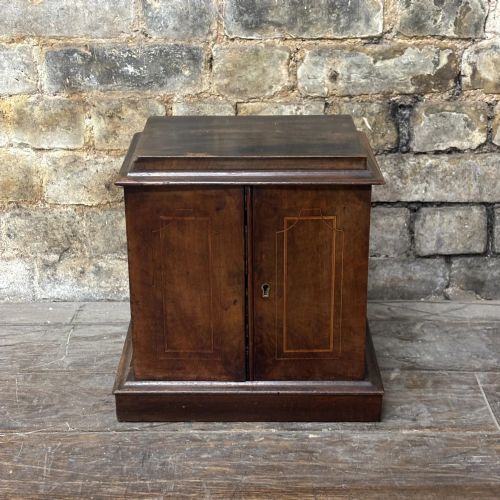
A wooden stationery organiser encompasses a variety of desktop receptacles designed to sort letters, envelopes and writing implements, appearing most frequently in the form of cabinets, boxes and slope-lidded tidies. When searching for a wooden stationery organiser, buyers encounter pieces originating from the nineteenth century onward, spanning the Victorian and Edwardian eras.
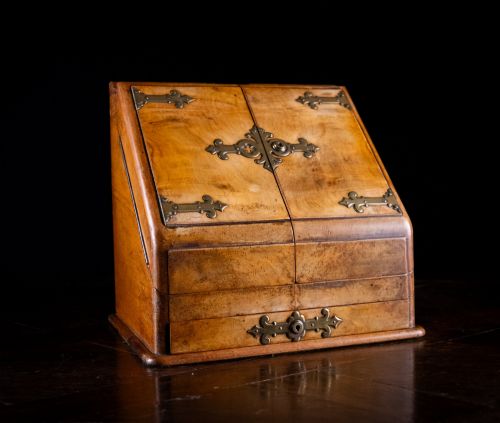
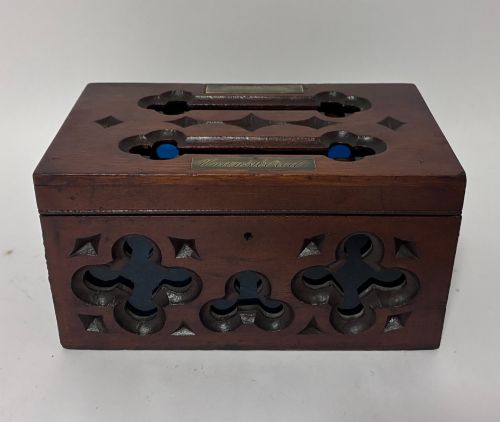
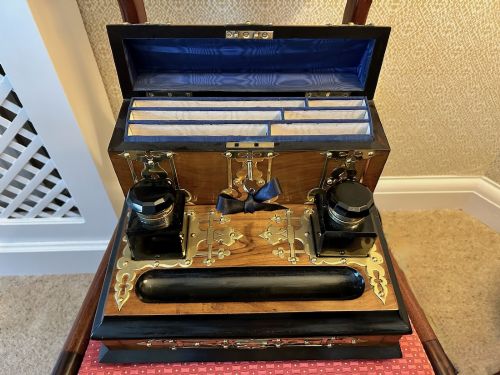
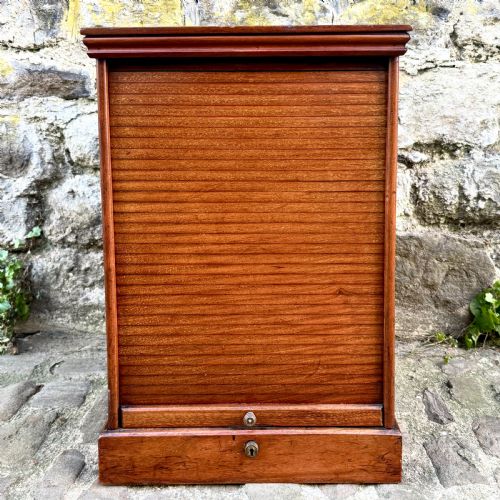
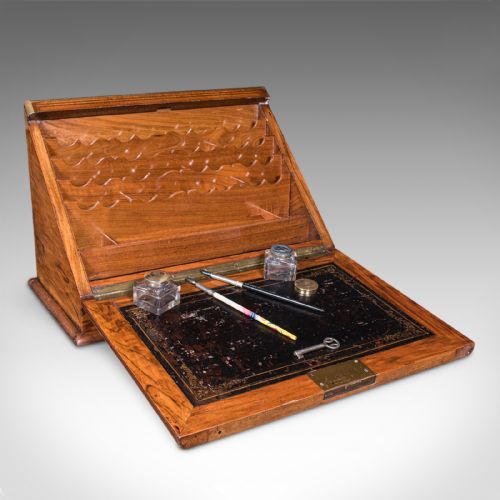
The selection ranges from compact oak desk boxes to elaborate correspondence cabinets fitted with internal compartments, letter racks and sometimes adjustable date indicators. Many examples serve specific roles, such as desk tidies, inkstands or specialised boxes for naval and campaign use.
Makers utilised resilient hardwoods to construct these pieces, ensuring they survived decades of daily correspondence in studies, offices and country houses. The forms reflect the shifting clerical and writing habits of the nineteenth and early twentieth centuries.
How they were made
Cabinet makers relied heavily upon sturdy timbers such as oak, mahogany, walnut and rosewood, often selecting figured veneers to create striking exterior surfaces on correspondence boxes and cabinets. These woods were frequently combined with secondary elements like brass hinges, escutcheons, carrying handles and glass inkwells.
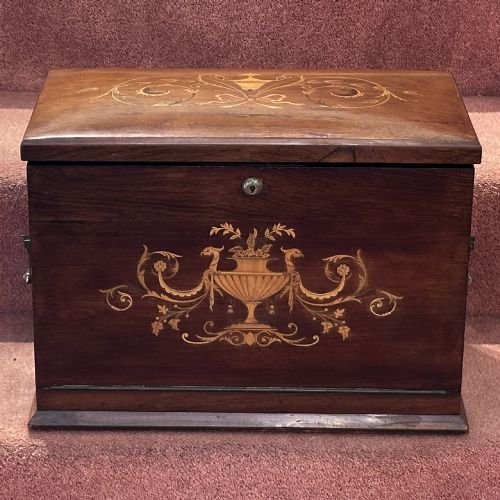
Decorative techniques varied widely, incorporating inlaid details in satinwood or other contrasting timbers, Tunbridge Ware mosaic patterns, marquetry and intricate mother-of-pearl embellishments. Construction involved traditional joinery methods suited to desktop items, ensuring hinged lids, fall-front doors and internal letter slots operated smoothly.
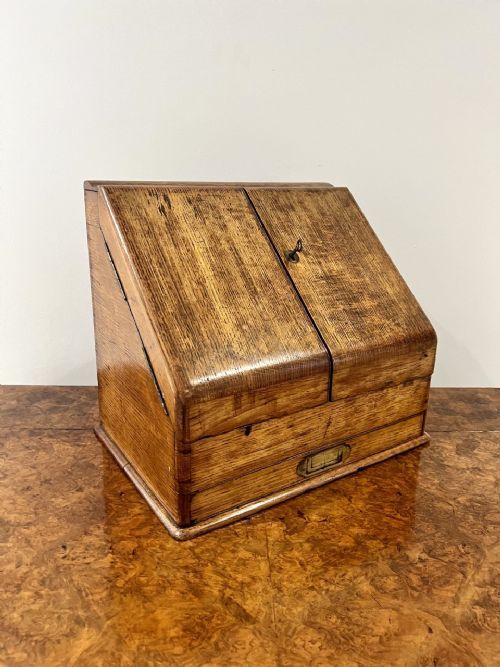
The listings show a strong preference for oak and walnut across nineteenth-century stationery boxes, often accented with brass hardware.
What varies in quality
The standard of a wooden stationery organiser depends upon the selection of timber grain, the precision of the joinery and the elaboration of its internal fittings, such as secret drawers or adjustable calendars. Pieces demonstrating superior craftsmanship often incorporate heavy brass mounts, finely cut inlay and robust locks bearing maker signatures or retailer labels.
Simpler workshop productions or plain utility boxes contrast with magnificent library cabinets and specialised desk tidies that display thoughtful architectural detailing in styles ranging from Gothic Revival to Arts and Crafts. The integrity of the original polish and the completeness of internal letter divisions further distinguish finer examples.
Edmund Nye·F Waller·Gillows of Lancaster
The Wooden Stationery Organiser Glossary
- Stationery cabinet
- A desktop housing with doors or a fall front enclosing tiered compartments for paper and envelopes. These often feature internal letter racks and sometimes an adjustable date indicator.
- Desk tidy
- An open or partitioned desktop accessory designed to hold letters, pens and small office supplies within easy reach. They frequently incorporate inkwells or small drawers.
- Tunbridge Ware
- A type of decorative woodwork characterised by tiny mosaic tiles formed from naturally coloured woods to create intricate pictorial or geometric scenes. It is frequently found on nineteenth-century correspondence boxes.
- Standish
- A traditional inkstand or tray containing inkwells, sanders and pen recesses for a writing desk. These often sit alongside larger stationery boxes in the evidence.
- Marquetry
- The art of applying pieces of veneer to a structure to form decorative patterns and pictures. It appears on Edwardian cabinets and boxes to enhance the visual appeal of the timber surface.
Wooden Stationery Organiser: Frequently Asked Questions
How were stationery boxes used?
These boxes held writing paper, envelopes and unanswered letters in private studies, offices and country house libraries. They kept desktops orderly before the widespread use of modern filing systems.
Many included internal dividers to separate incoming mail from outgoing correspondence. Some featured clever mechanisms like secret drawers for confidential papers.
How do I date a wooden stationery organiser?
Dating relies upon observing stylistic clues, construction methods and materials typical of specific periods like the Victorian or Edwardian eras. Gothic Revival influences or heavy brass mounts often point towards the nineteenth century.
Simpler inlaid details and lighter mahogany tones frequently indicate Edwardian or later production. Occasionally, a maker label or an adjustable date mechanism provides a precise point of reference.
Are these pieces suitable for modern desks?
These organisers adapt well to contemporary workspaces for sorting letters, notebooks and modern stationery supplies. Their traditional timber finishes add warmth and character to a modern study.
Compartments designed for historical envelope sizes and inkwells still accommodate modern pens and notepads. They provide a practical way to manage physical correspondence at home.