





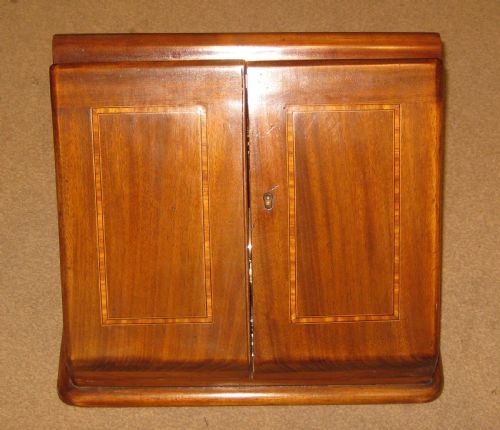
Antique Letter Rack Box
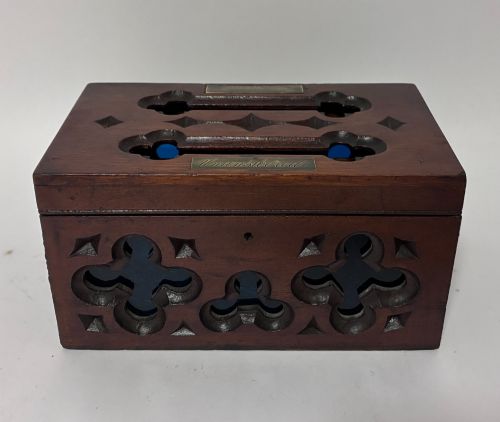
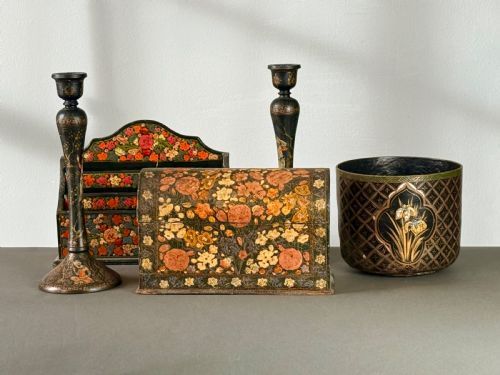
An antique letter rack box organises correspondence with desktop stationery cabinets, fall front boxes, and wall pockets fashioned in oak, mahogany, and brass.
Antique Letter Rack Box
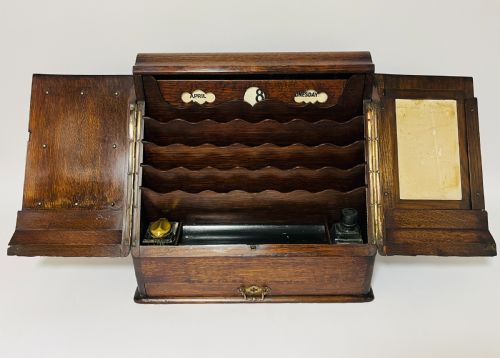
An antique letter rack box serves to organise correspondence upon a desk or wall, bringing order to papers with compartments designed for envelopes and letters. When searching this phrase, you encounter pieces that range from simple open wooden racks to elaborate fall front cabinets with fitted interiors.
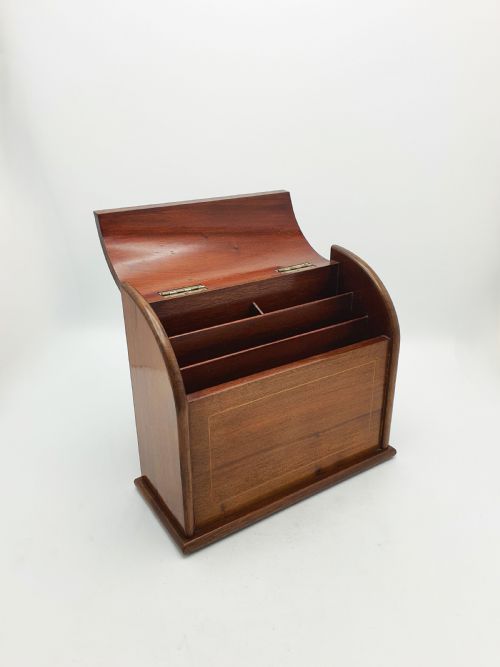
The selections span several periods, with Victorian and Edwardian examples appearing frequently alongside Georgian and 19th century designs. Forms vary from desktop stationery boxes and correspondence boxes to wall organisers and waterfall desks tidies.
Materials shift between domestic timbers like oak and mahogany to more decorative surfaces such as walnut, satinwood, and rosewood. Certain iterations incorporate brass mounts, glass ink bottles, or painted lacquer details to elevate their utility into decorative desk accessories.
How they were made
Cabinet makers utilised solid and veneered hardwoods, building structural carcases in oak, mahogany, and walnut while employing finer timbers like satinwood and rosewood for decorative exterior surfaces. Metalwork played a functional and ornamental role, with brass hinges, locks, and mounts securing the hinged lids and fall fronts.
Surface decoration involved careful craftsmanship, including intricate boxwood and ebony inlay, carved mahogany details, and Chinoiserie lacquer work. Interiors were often fitted with pigeon holes, secret drawers, and occasionally glass ink bottles to create a complete desktop writing station.
Antique Letter Rack Box Retail Price Guide 2026
Typical asking prices for letter rack box among the pieces listed under this phrase on Sellingantiques today, from the lower quarter to the upper quarter. They describe what is for sale here now, not the wider market.
Listings feature woods such as oak, mahogany, walnut, satinwood, rosewood, and burr yew alongside brass and glass.
What varies in quality
Quality rests upon the selection of timber and the precision of the cabinet work, distinguishing simple utilitarian boxes from pieces finished with figured veneers and detailed inlay. Superior examples feature thoughtful interior planning, such as secret drawers, integrated letter slots, and robust brass fittings.
The integrity of the construction and the preservation of original finishes dictate the standing of a piece, whether it is a country house oak letter box or a Sheraton period satinwood box converted for stationary.
F Waller
The Antique Letter Rack Box Glossary
- Stationery cabinet
- A desktop box designed to hold writing paper and envelopes, often featuring a fall front or hinged lid with internal pigeon holes.
- Correspondence box
- A lidded box specifically constructed to store incoming and outgoing letters securely upon a desk.
- Waterfall desk tidy
- A tiered desk accessory with stepped compartments that hold letters and papers in cascading order for easy viewing.
- Fall front
- A hinged front panel that drops forward to reveal the internal compartments and writing or sorting surfaces of a cabinet.
- Pigeon hole
- A small, open compartment within a desk tidy or cabinet used for sorting individual letters and documents.
Antique Letter Rack Box: Frequently Asked Questions
What is an antique letter rack box?
An antique letter rack box is a desk accessory or cabinet designed to hold correspondence, envelopes, and writing paper in an organised manner.
These pieces range from open wooden racks and wall pockets to enclosed fall front stationery cabinets with multiple internal compartments.
How were stationery boxes used?
They were kept on desks or tables in studies and drawing rooms to keep incoming and outgoing mail neatly sorted.
Many designs included fitted spaces for paper, matching envelopes, and sometimes ink bottles for immediate use during correspondence.
Where were letter boxes placed?
Letter boxes and stationery cabinets sat primarily upon desk tops, library tables, or writing slopes within the home.
Some variants, such as wall organisers and wall pockets, were designed to be hung directly on walls to save surface space.
How do I identify a Victorian piece?
Victorian letter boxes often feature robust construction in oak or mahogany, frequently utilising brass hardware and Gothic or Arts and Crafts styling.
Cabinet interiors from this era typically display pigeon holes and occasionally secret drawers tailored for private correspondence.