


Fitted Stationery Box
A fitted stationery box holds paper, ink and correspondence securely, offering a refined desktop organisation solution found in Victorian and Georgian homes.
Fitted Stationery Box
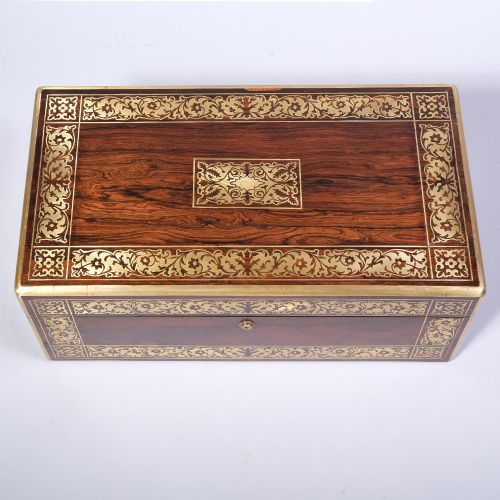
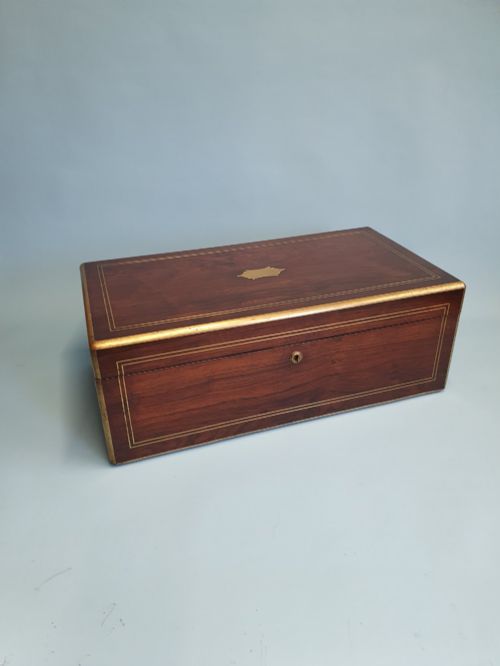
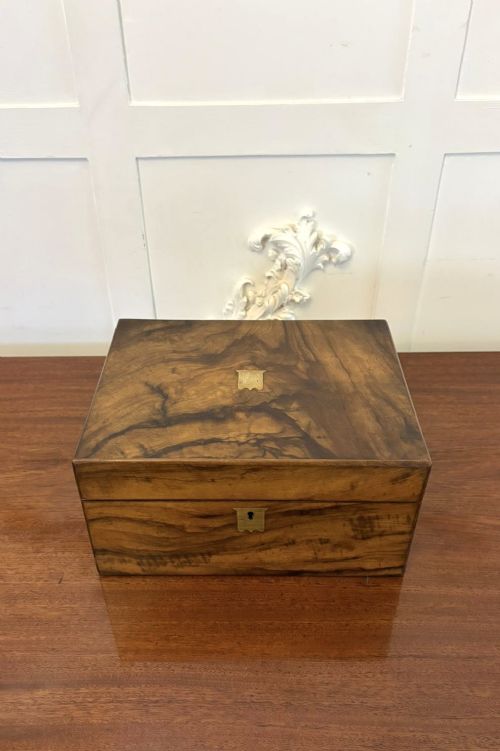
When you search for a fitted stationery box, you encounter pieces designed to keep correspondence and writing implements organised on a desk or table. These containers range from compact Victorian walnut cabinets to larger Georgian and nineteenth-century writing slopes with internal partitions.
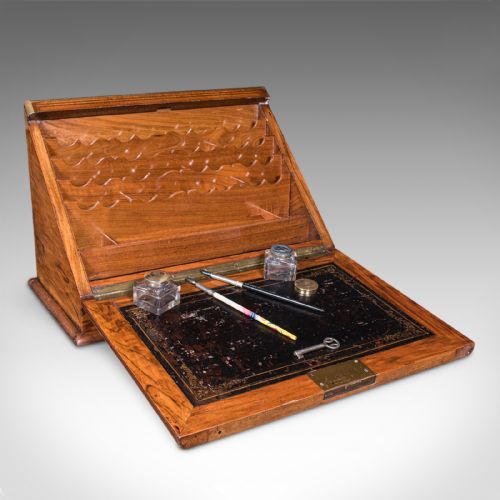
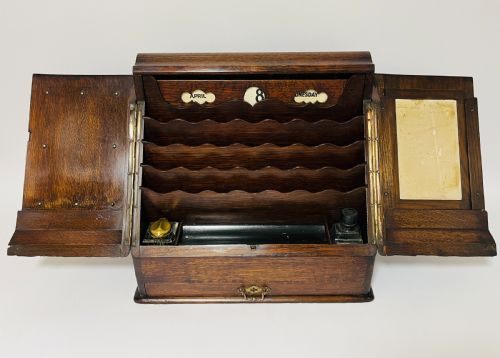
The selections appearing here most frequently combine compartments for paper with slots for envelopes, ink bottles and pens. Many examples merge writing surfaces with stationery storage, providing dual functionality for the nineteenth-century writer.
How they were made
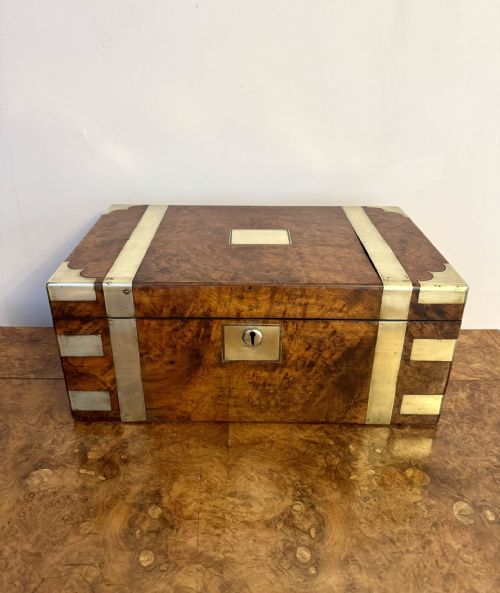
Cabinet makers utilised dense hardwoods such as rosewood, walnut, mahogany and oak, often selecting burr veneers to create figured exterior surfaces. Brass mounts, banding and corner pieces provide structural reinforcement and decorative contrast against the dark timber.
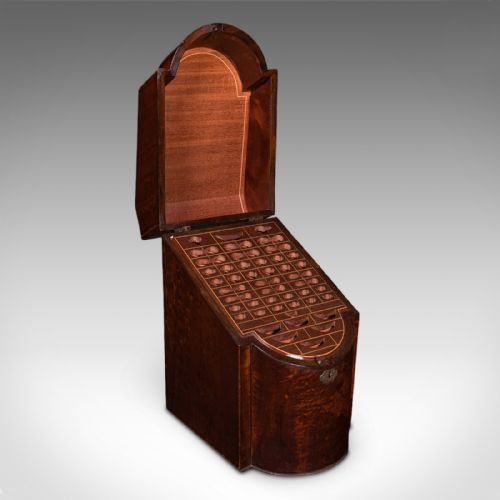
Interiors incorporate fitted compartments, secret drawers, leather panels and glass ink bottles, constructed with tight joinery to withstand daily handling. Locks by makers such as Bramah secure the contents, while leather and Japanese lacquer finishes add protective outer layers.
Several boxes contain hidden secret compartments designed to keep private letters safe from prying eyes.
What varies in quality
The distinction between standard examples and superior pieces rests on the choice of timber and the precision of the internal fittings. Dense burr veneers and well-figured mahogany demonstrate careful selection by the cabinet maker.
Superior items maintain complete internal fittings, including matching glass ink bottles, original velvet or leather writing surfaces and functioning locks with keys. The integration of secret drawers and clean brass inlay reflects higher workshop standards.
The Fitted Stationery Box Glossary
- Writing slope
- A box with a hinged sloping lid designed to provide an angled surface for writing. Inside, it houses compartments for stationery and ink.
- Brass bound
- Furniture or boxes reinforced at the corners and edges with brass strips. This technique protected travel pieces from knocks during transit.
- Secret drawer
- A concealed small drawer hidden behind removable partitions or false panels. These were used to store valuables or private papers.
- Bramah lock
- A high-security cylindrical lock patented in the eighteenth century. They are commonly found on better-quality campaign and writing boxes.
Fitted Stationery Box: Frequently Asked Questions
What is a fitted stationery box?
A fitted stationery box is a desk accessory designed to hold writing paper, envelopes, and ink bottles in dedicated internal compartments. They appeared frequently during the Georgian and Victorian periods.
These boxes sit upon desks or tables, keeping correspondence organised and protected when not in use.
How were stationery boxes used?
Users stored loose sheets of paper, wax, seals, and pens inside the compartmentalised interiors. Many designs included inkwells and letter racks for daily correspondence.
Some variants featured drop fronts or sloping lids that opened to reveal the fitted writing apparatus underneath.
How do I date a stationery box?
Dating relies on timber selection, brass hardware styles, and construction methods. Walnut and mahogany were favoured in Georgian and early Victorian eras, while oak and lighter woods became common later.
Locks, hinges, and internal configurations also help place a piece within the nineteenth or early twentieth century.
Can I use these for modern stationery?
These boxes accommodate modern notepads, envelopes, and pens within their original partitions. They provide practical desktop storage while retaining a traditional appearance.
Care should be taken with modern fountain pen inks to avoid staining historic wood and fabric interiors.