






Wooden Specimen Table
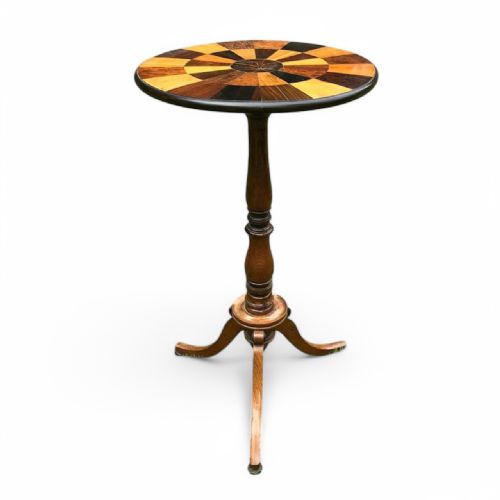
A wooden specimen table displays the cabinetmaker's mastery through geometric timber veneers and polished display surfaces designed to hold natural curiosities.
Wooden Specimen Table
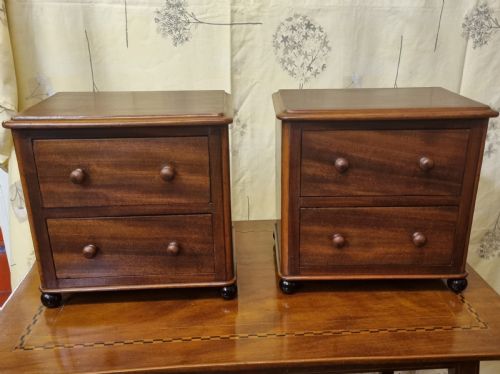
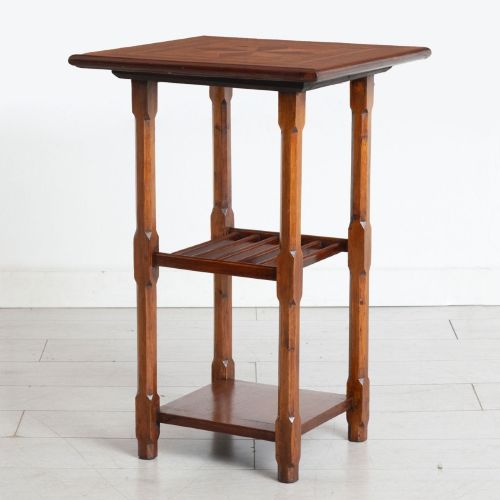
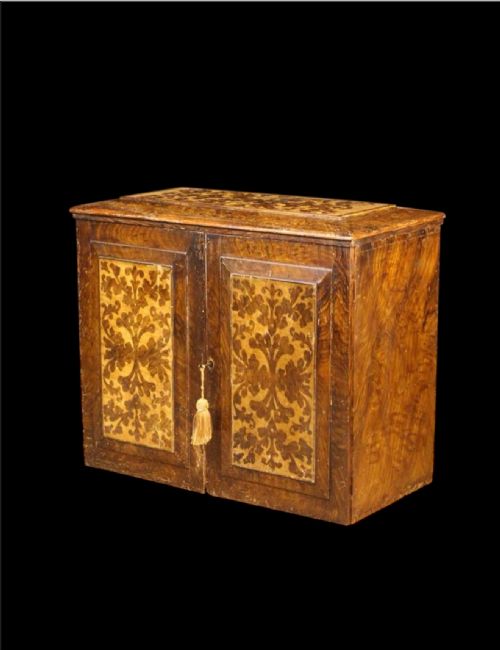
When you search for a wooden specimen table, you are looking at specialised furniture designed to showcase geological or botanical collections, often incorporating intricate geometric wood veneers, miniature drawers, or glazed display cases. These pieces range from compact tabletop chests and side tables to occasional tables and larger console units originating from the eighteenth, nineteenth, and early twentieth centuries.
You are most likely to meet Victorian and Regency examples on this page, which frequently combine native and exotic timbers with brass fittings or marble surfaces. Forms vary widely from work-tables and desks to dedicated collectors' cabinets, reflecting the Victorian passion for natural history and meticulous organisation.
How they were made
Cabinetmakers constructed these pieces using dense hardwoods such as mahogany, walnut, oak, and yew, often applying intricate specimen wood veneers to visible surfaces. Marquetry techniques allowed artisans to arrange contrasting grains and coloured timbers into geometric patterns or pictorial arrangements.
Structural elements frequently incorporated brass hardware, glazed glass panels for display cases, and occasionally inset marble tops. Joinery was executed by hand to ensure the precision required for small drawers and fitted compartments.
Several tables were designed specifically to house butterfly collections and botanical finds gathered during grand Victorian expeditions.
What varies in quality
The sophistication of the timber selection and the precision of the veneer work largely determine the quality of a piece. Finer examples display a harmonious arrangement of diverse specimen woods with tight, seamless joints that demonstrate advanced cabinetmaking skill.
Anton Seuffer·William Norrie
The Wooden Specimen Table Glossary
- Specimen wood
- Timber selected for its distinctive grain, colour, or origin, often used in decorative veneers to create contrasting patterns on furniture surfaces.
- Marquetry
- The art of applying small pieces of veneer to a structure to form decorative patterns, pictures, or geometric designs.
- Collectors cabinet
- A specialised piece of furniture featuring multiple small drawers or glazed compartments designed for organising and displaying small objects.
- Work-table
- A small piece of furniture fitted with compartments, drawers, or bags for sewing, needlework, or holding small personal items.
- Regency
- An architectural and design period dating from the early nineteenth century characterised by neoclassical influences and refined proportions.
Wooden Specimen Table: Frequently Asked Questions
What is a wooden specimen table?
A wooden specimen table is a piece of antique furniture built to display geological or botanical collections, often featuring specialised drawers, display cases, or inlaid timber tops.
These tables combine functional furniture design with intricate decorative work, reflecting the nineteenth-century enthusiasm for collecting natural history specimens.
How do I date a specimen table?
Dating relies on examining the secondary timbers, construction methods, hardware, and stylistic influences such as Regency neoclassical lines or Victorian ornamentation.
Changes in lock mechanisms, timber availability, and joinery techniques also provide reliable indicators of a piece's age and origin.
How were these tables used originally?
Original owners used these tables to sort, study, and display private collections of shells, minerals, fossils, and botanical samples.
Many incorporated locked drawers or glass covers to protect delicate items while allowing guests to examine the collection easily.
How do I care for a specimen table?
Maintenance involves keeping the timber away from direct sunlight and fluctuating humidity to protect fragile wood veneers and antique polishes.
Regular dusting with a soft, dry cloth preserves the finish without introducing moisture that could damage delicate inlay work.