




Victorian Chest on Legs
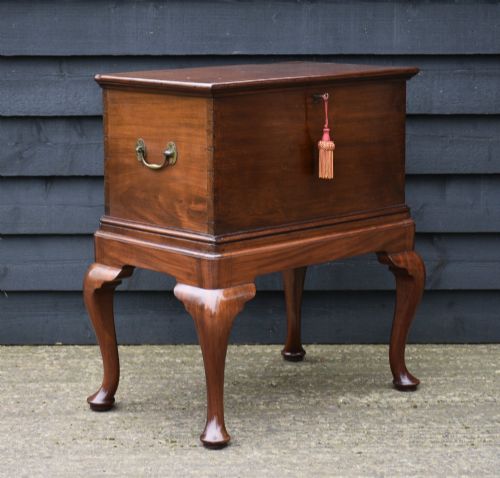
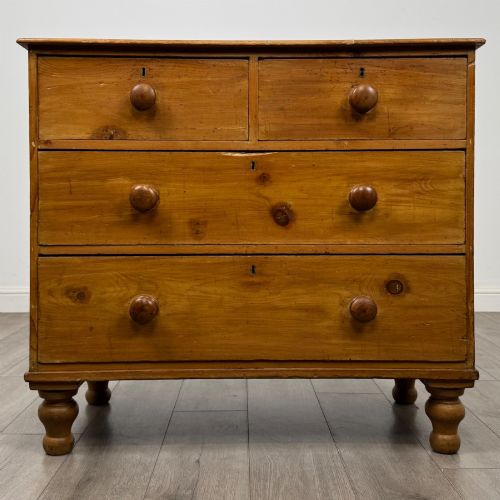
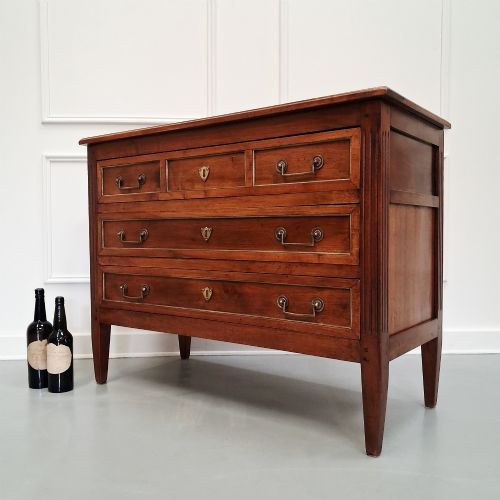
These mahogany and pine victorian chest on legs examples offer practical height and sturdy storage.
Victorian Chest on Legs
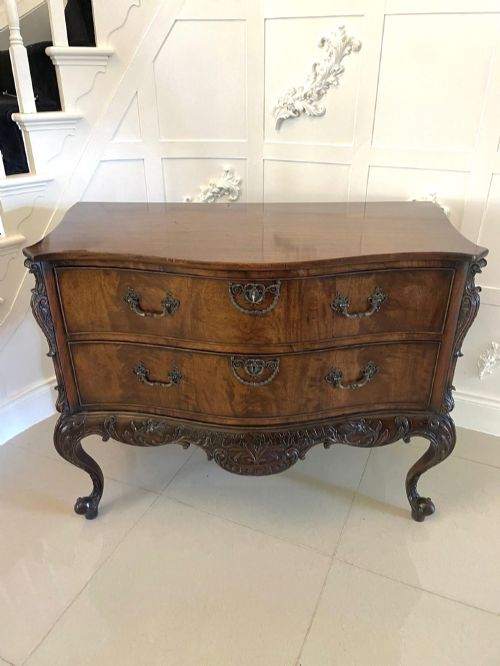
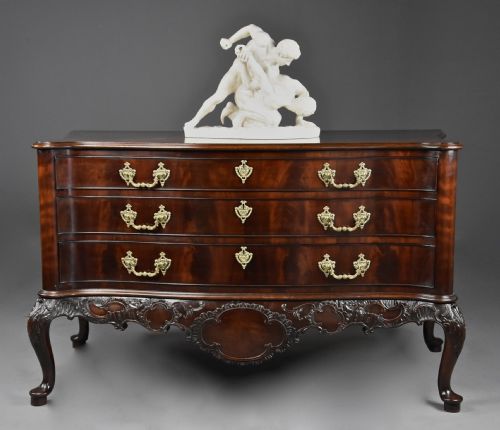
When you search for a victorian chest on legs, you encounter various timber storage pieces raised on stands, legs or feet. The selection includes serpentine commodes, tallboys, and standard drawer configurations from the nineteenth century.
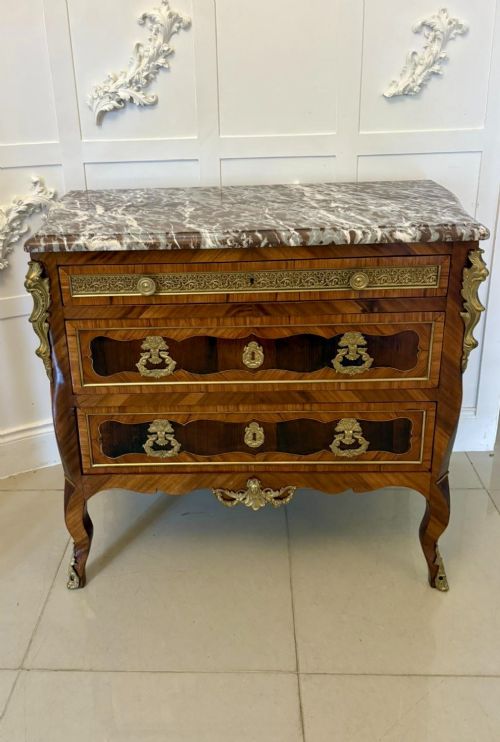
Most examples appear in mahogany, pine, and satinwood, spanning styles from plain Victorian utility to revival designs like Hepplewhite, Chippendale, and Louis XV. Certain pieces incorporate brass mounts, marble tops, or specialised interiors such as document archives.
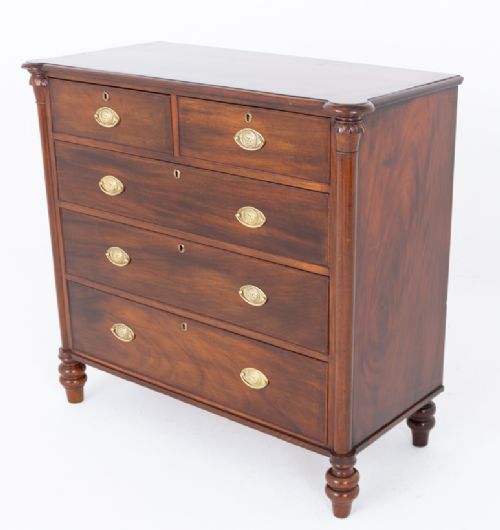
Stand styles range from simple turned legs to more ornate bracketed or revival bases. The overarching form provides elevated storage while maintaining traditional proportions.
How they were made
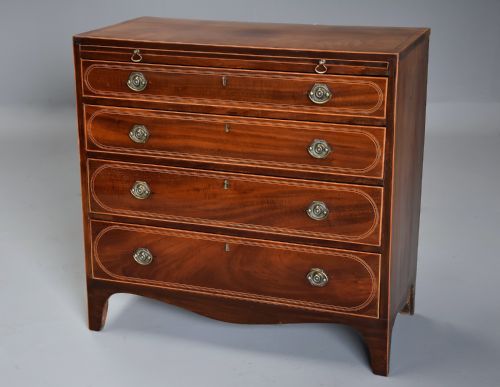
Cabinet makers utilised solid and figured timbers, applying mahogany, oak, satinwood, and pine across carcasses and drawer fronts. Inlay work and brass hardware added functional and decorative contrast to the timber surfaces.
Construction techniques involved traditional joinery, dovetailing for drawer construction, and structural reinforcement where chests met their stands or legs. Marble tops on specific commodes required secure framing to support the stone weight.
Victorian Chest on Legs Retail Price Guide 2026
Typical asking prices for victorian chest on legs among the pieces listed under this phrase on Sellingantiques today, from the lower quarter to the upper quarter. They describe what is for sale here now, not the wider market.
Listings feature multiple materials including brass, mahogany, oak, satinwood, steel, marble, and satinwood inlay.
What varies in quality
Timber selection dictates the visual appeal, distinguishing plain pine or standard mahogany from highly figured flame grain mahogany and inlaid satinwood. Superior execution shows in the crispness of carved details, such as serpentine fronts and applied mouldings.
Structural integrity and original hardware define the preservation standard of each piece. Original brass handles, stable leg attachments, and well-fitted drawers separate master examples from heavily altered items.
Druce & Co·Morison & Co
The Victorian Chest on Legs Glossary
- Serpentine
- A front shape curving outward in the centre and inward at the sides. This undulating contour requires skilled woodworking.
- Commode
- A low cabinet or chest of drawers, often French in inspiration with marble tops. The term denotes both decorative and functional storage.
- Tallboy
- A tall chest on chest of drawers providing extensive vertical storage. These pieces combine multiple drawer tiers into a single unit.
- Cellarette
- A fitted cabinet or box for holding wine bottles. Examples often feature brass binding and interior partitions.
- Specimen cabinet
- A specialised small chest designed for housing collections of natural history items or documents. These feature multiple shallow drawers for organised storage.
Victorian Chest on Legs: Frequently Asked Questions
How do I date a Victorian chest?
Dating relies on timber choice, construction methods, and hardware styles recorded across the nineteenth century. Examining drawer linings and rear construction helps narrow the period.
Revival styles often incorporate Victorian adaptations while referencing earlier Georgian or French designs.
What woods were commonly used?
Mahogany, pine, and oak form the primary structural materials for these chests. Satinwood and figured veneers appeared on finer decorative examples.
Brass and marble added secondary accents to specific commodes and cellarettes.
Where should I place a chest on legs?
These elevated chests suit bedrooms, hallways, or living spaces requiring practical storage with floor clearance. The raised stance keeps the footprint visually light.
Ensure placement avoids direct heat sources to protect the antique timber.
Are marble top commodes heavy?
Marble tops add substantial weight to commodes and require careful maneuvering during placement. The stone sits atop the wooden carcass, often removable for transport.
Such pieces combine stone surfaces with traditional timber storage.